Best pH for Soil Optimal Levels
- 1.
Understanding Soil pH: The Acid-Alkaline Balance That Makes or Breaks Your Garden
- 2.
What Is a Good Soil pH Level? The Magic Number for Most Plants
- 3.
Testing Your Soil pH: Don't Guess, Test!
- 4.
Does Blood and Bone Lower Soil pH? The Organic Amendment Question
- 5.
What Does a Soil pH of 7.5 Mean? Decoding the Numbers
- 6.
Does Adding Lime to Soil Make It More Acidic? Clearing Up Common Confusion
- 7.
Lowering Soil pH: How to Make Acidic Soil When Your Plants Demand It
- 8.
Raising Soil pH: When Your Dirt Needs a Little Alkaline Boost
- 9.
Regional Soil pH Patterns: What to Expect Based on Where You Live
- 10.
Maintaining Optimal Soil pH: It's a Journey, Not a Destination
Table of Contents
best ph for soil
Understanding Soil pH: The Acid-Alkaline Balance That Makes or Breaks Your Garden
What Exactly Is pH and Why Should You Care?
Alright, let's break it down without gettin' all textbook on ya. pH is basically a measure of how acidic or alkaline your soil is, runnin' on a scale from 0 to 14. Seven is neutral—think of it like Goldilocks' porridge, not too hot, not too cold. Below seven? That's acidic territory. Above seven? You're in alkaline land. Now, here's the kicker: most plants are picky eaters when it comes to their soil pH. They can't just chow down on nutrients willy-nilly; they need that best ph for soil to be in their comfort zone before they can absorb what they need to thrive. It's like tryin' to drink a thick milkshake through a tiny straw—possible, but way harder than it needs to be.
What Is a Good Soil pH Level? The Magic Number for Most Plants
Finding That Sweet Spot Where Plants Thrive
So what's the holy grail when it comes to the best ph for soil? For most garden plants, that magic range sits between 6.0 and 7.0—slightly acidic to neutral. This is where the majority of nutrients are most available to plants, and where beneficial soil microbes throw their best parties. Vegetables like tomatoes, peppers, and lettuce absolutely adore this range. Flowers? Same story. But here's where it gets interestin'—some plants are divas with very specific preferences. Blueberries throw a fit if the pH goes above 5.5, while lavender prefers things on the alkaline side around 7.0 to 8.0. The key is knowin' your plants' personalities and adjustin' that best ph for soil accordingly. One size definitely doesn't fit all in the gardening world.
Testing Your Soil pH: Don't Guess, Test!
Simple Methods to Know What You're Workin' With
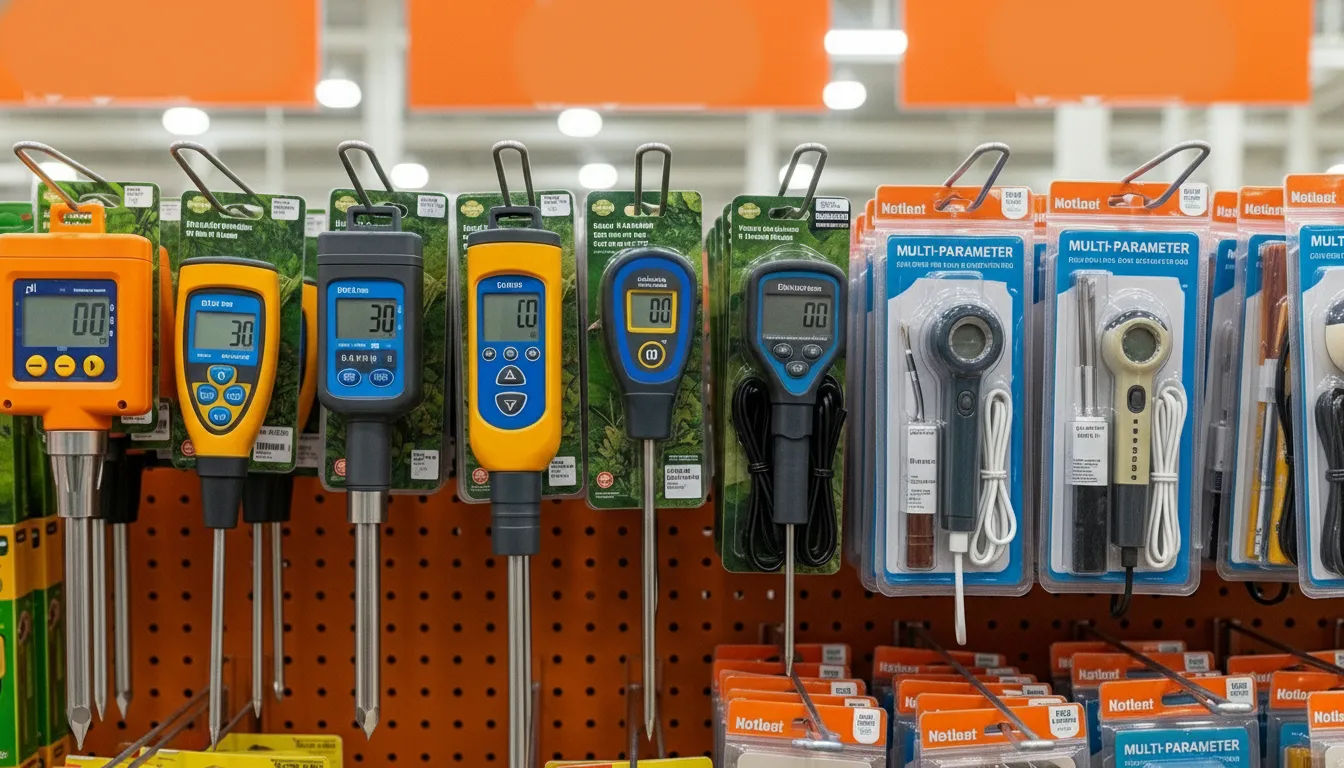
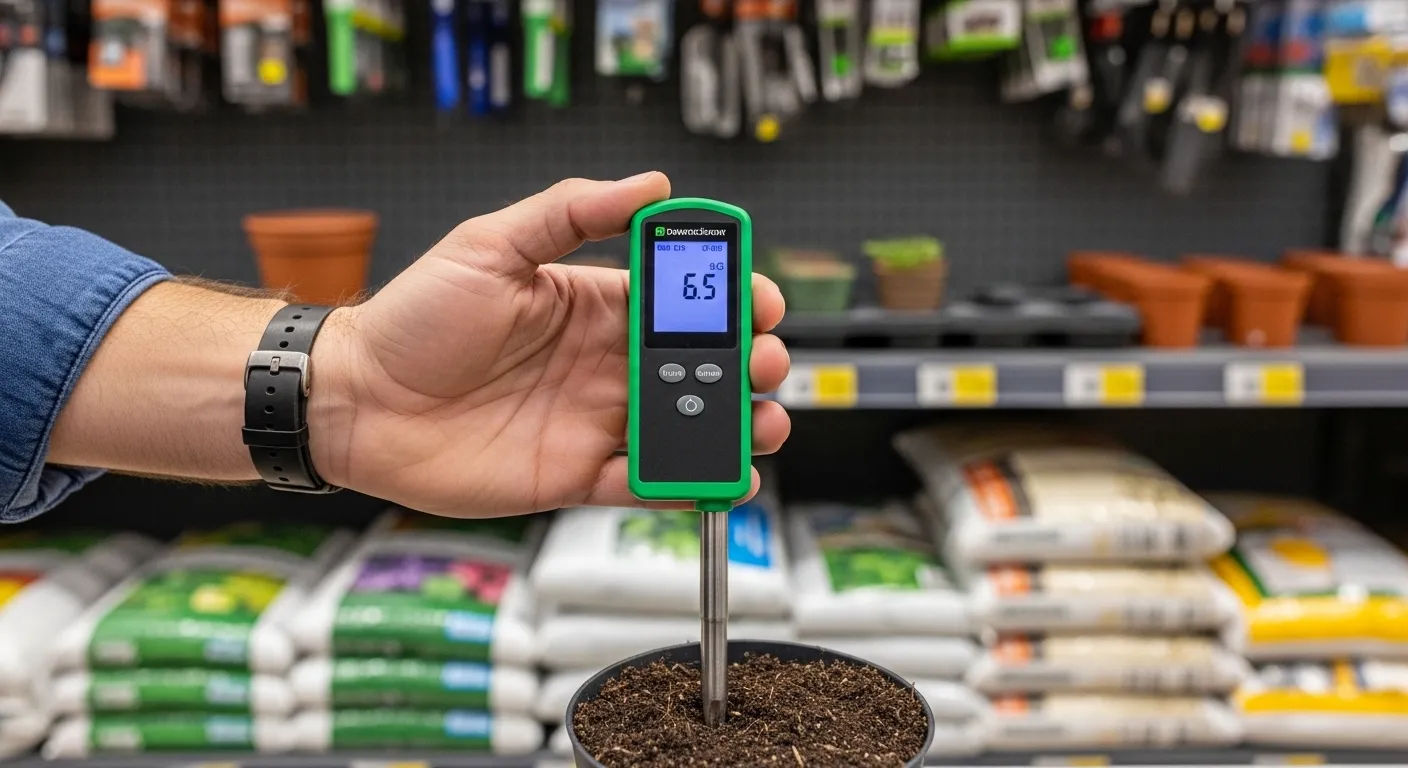
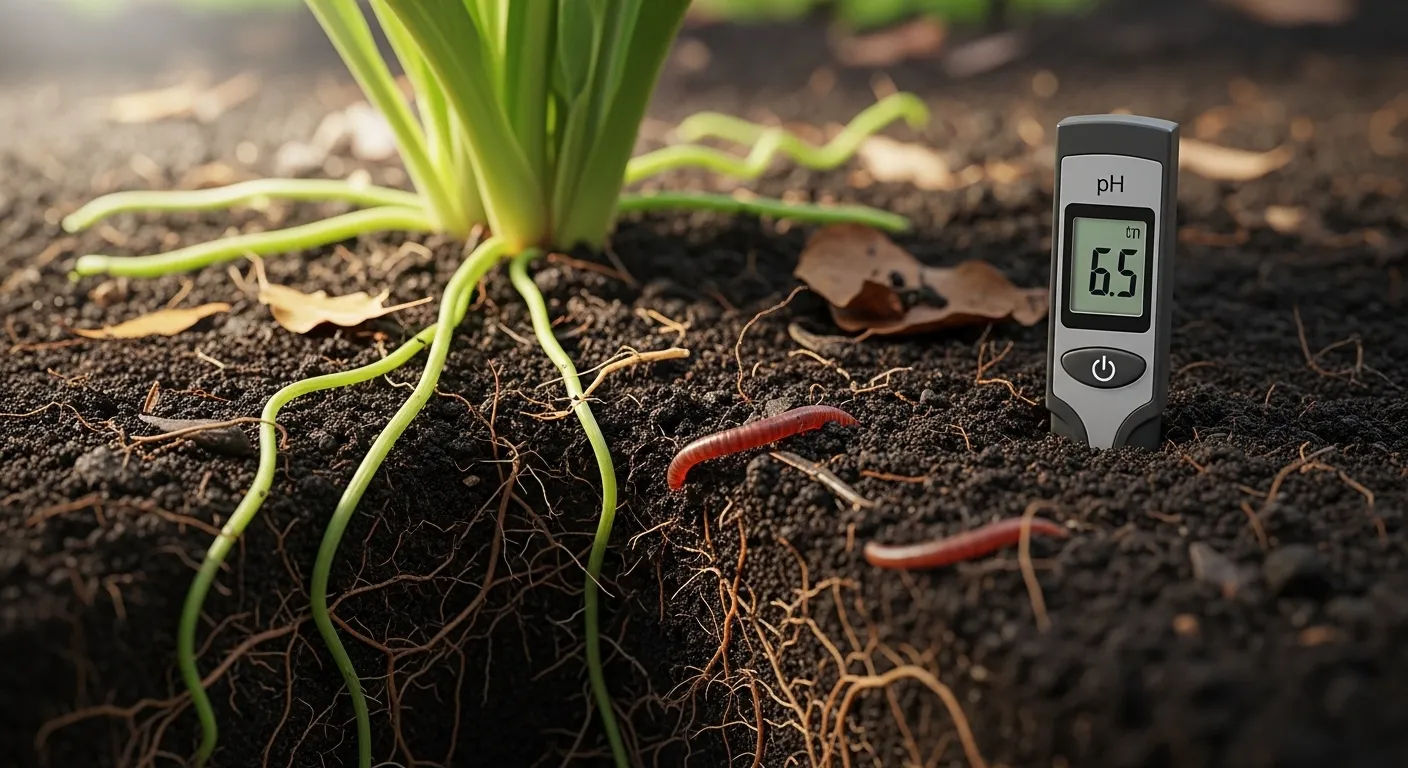
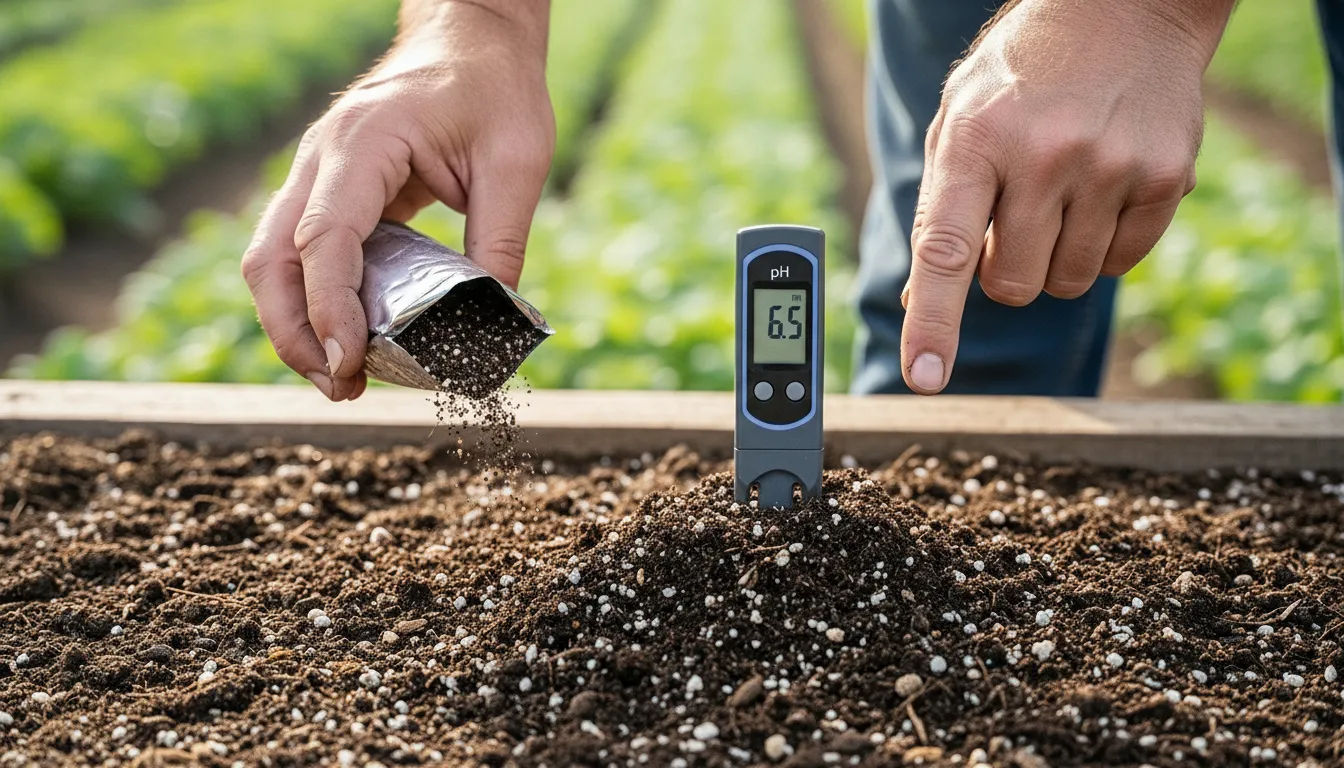
You can't fix what you don't measure, right? Testin' your soil pH is easier than you might think, and way cheaper than replantin' your entire garden every season. You've got a few options: DIY test kits from your local garden center (usually around $10-15 USD), digital pH meters (about $20-50 USD for decent ones), or sendin' samples to your county extension office for a comprehensive analysis (typically $15-30 USD). The DIY kits are pretty straightforward—mix soil with the provided solution, wait a few minutes, and compare the color to the chart. Digital meters give instant readings but need regular calibration. Either way, testin' in multiple spots across your garden is crucial, 'cause soil pH can vary even within the same yard. Knowin' your starting point is the first step toward achievin' that best ph for soil balance.
Does Blood and Bone Lower Soil pH? The Organic Amendment Question
Understanding How Common Fertilizers Affect Acidity
Here's a question that trips up a lot of gardeners: does blood and bone meal actually lower soil pH? The short answer? Not really—at least not significantly. Blood meal is slightly acidic, while bone meal is slightly alkaline, so when you mix 'em together (like in most blood and bone products), they kinda cancel each other out pH-wise. These amendments are fantastic for addin' nitrogen and phosphorus to your soil, but if you're tryin' to specifically adjust pH, you'll need different tools in your shed. That said, organic matter in general tends to buffer soil pH over time, makin' extreme swings less likely. So while blood and bone won't dramatically change your best ph for soil situation, it's still a valuable addition for overall soil health and fertility.
What Does a Soil pH of 7.5 Mean? Decoding the Numbers
When Your Soil Leans Alkaline and What It Means for Plants
So you tested your soil and got a reading of 7.5—what gives? That number means your soil is slightly alkaline, which ain't necessarily a disaster, but it does limit what you can grow successfully. At pH 7.5, certain nutrients like iron, manganese, and phosphorus start to become less available to plants, even if they're present in the soil. You might notice your plants developin' yellow leaves between the veins (that's chlorosis, in case you're curious) or just generally lookin' puny despite your best efforts. Plants that love acidic conditions—blueberries, azaleas, rhododendrons—will struggle mightily in this environment. However, plenty of plants actually prefer this slightly alkaline range, including lilacs, clematis, and most brassicas like broccoli and cabbage. The trick is workin' with what you've got rather than fightin' against it when it comes to findin' the best ph for soil in your specific situation.
Does Adding Lime to Soil Make It More Acidic? Clearing Up Common Confusion
The Lime Myth That Keeps Gardeners Guessin'
Here's a classic mix-up that's caused more garden grief than we can count: adding lime to soil actually makes it *less* acidic (more alkaline), not more acidic. Lime is basically calcium carbonate, and it works like an antacid for your soil, neutralizin' excess acidity. If your soil pH is too low (too acidic), lime is your best friend for bringin' it back toward that sweet spot. But if your soil is already alkaline? Keep that lime in the bag, or you'll just make things worse. The confusion probably comes from the fact that "lime" can refer to both the citrus fruit (which is acidic) and the soil amendment (which is alkaline). Remember this simple rule: lime raises pH, sulfur lowers pH. Gettin' this backwards is like puttin' sugar in your coffee when you wanted salt—just don't do it if you want that best ph for soil balance.
Lowering Soil pH: How to Make Acidic Soil When Your Plants Demand It
Practical Methods for Acid-Loving Plants
If your soil test shows pH that's too high for your acid-lovin' plants, don't panic—you've got options. The most common method is addin' elemental sulfur, which soil bacteria convert to sulfuric acid over time. For a 100 square foot area, you'll typically need 1-2 pounds of sulfur to lower pH by one full point, but always follow package directions based on your specific soil type. Aluminum sulfate works faster but can be toxic to plants if over-applied. Organic options include peat moss (though sustainability concerns are makin' this less popular), pine needles, and coffee grounds—but these have more modest effects. The key is makin' gradual changes and retestin' every few months, 'cause pH adjustment ain't an overnight process. Patience is crucial when pursuin' that best ph for soil for finicky plants like blueberries or camellias.
Raising Soil pH: When Your Dirt Needs a Little Alkaline Boost
Getting Acidic Soil Back in the Game
On the flip side, if your soil's too acidic (below 6.0 for most plants), it's time to reach for that lime we talked about earlier. Agricultural lime (calcium carbonate) is the go-to for most gardeners, while dolomitic lime adds magnesium along with calcium—handy if your soil test shows magnesium deficiency. Wood ash can also raise pH, but it's tricky to apply evenly and can contain unwanted contaminants. The amount you'll need depends on your soil type—heavy clay soils require more lime than sandy soils to achieve the same pH change. As a rough guide, it takes about 5 pounds of lime per 100 square feet to raise pH by one point in average garden soil. Always apply lime gradually and retest after a few months to avoid overshootin' your target. Remember, slow and steady wins the race when adjustin' toward the best ph for soil.
Regional Soil pH Patterns: What to Expect Based on Where You Live
Geography Matters When It Comes to Soil Chemistry
Here's somethin' that might save you some guesswork: soil pH tends to follow regional patterns based on parent material, rainfall, and climate. In general, areas with high rainfall (like the Pacific Northwest and Southeast) tend to have more acidic soils because rainwater leaches away alkaline minerals over time. Arid regions (think Southwest and parts of the Great Plains) typically have more alkaline soils due to mineral accumulation from evaporation. Coastal areas often have neutral to slightly alkaline soils thanks to marine influences. Mountainous regions can vary wildly depending on underlying rock types. Knowin' your region's typical soil pH can give you a head start, but always test your specific site—microclimates and previous land use can create surprises. Understanding these patterns helps you anticipate what adjustments you'll need to make for that best ph for soil in your neck of the woods.
Maintaining Optimal Soil pH: It's a Journey, Not a Destination
Long-Term Strategies for Sustainable Soil Health
Here's the reality check: soil pH ain't a "set it and forget it" situation. It's gonna drift over time due to rainfall, fertilizer use, plant uptake, and organic matter decomposition. The key to maintainin' that best ph for soil is regular monitoring and small, frequent adjustments rather than massive corrections every few years. Test your soil annually, preferably in the same season each time for consistency. Use fertilizers appropriate for your target pH—acidic fertilizers for acid-lovin' plants, neutral ones for general use. Incorporate plenty of organic matter like compost, which helps buffer pH fluctuations. And remember that different areas of your garden might need different treatments—your blueberry patch shouldn't have the same pH as your vegetable garden. Think of soil pH management as an ongoing conversation with your land, not a one-time declaration. For more gardening wisdom and soil secrets, swing by our main hub at Potaday, explore our comprehensive Growing category for in-depth guides, or check out our detailed review of Home Depot Ph Test Kit Reviews to find the perfect testing tool for your needs.
Frequently Asked Questions
What is a good soil pH level?
A good soil pH level for most garden plants falls between 6.0 and 7.0, which is slightly acidic to neutral. This range allows for optimal nutrient availability and microbial activity. However, specific plants have different preferences—blueberries thrive at 4.5-5.5, while lavender prefers 7.0-8.0. The best ph for soil ultimately depends on what you're growing, but 6.5 is often considered the ideal compromise for mixed gardens. Regular testing and gradual adjustments are key to maintaining this optimal range for healthy plant growth.
Does blood and bone lower soil pH?
Blood and bone meal does not significantly lower soil pH. Blood meal is slightly acidic while bone meal is slightly alkaline, so when combined in typical blood and bone products, their pH effects largely cancel each other out. These amendments primarily provide nitrogen and phosphorus rather than pH adjustment. While organic matter in general helps buffer soil pH over time, blood and bone should not be relied upon for specific pH modification. For lowering pH, elemental sulfur or aluminum sulfate are more effective options when seeking the best ph for soil for acid-loving plants.
What does a soil pH of 7.5 mean?
A soil pH of 7.5 indicates slightly alkaline conditions, which means certain nutrients like iron, manganese, and phosphorus become less available to plants even if present in adequate amounts. At this pH, acid-loving plants such as blueberries, azaleas, and rhododendrons will struggle, potentially showing yellowing leaves and poor growth. However, many plants actually prefer this slightly alkaline range, including lilacs, clematis, and brassicas like broccoli and cabbage. Understanding what a pH of 7.5 means for your specific plants is crucial for achieving the best ph for soil in your garden.
Does adding lime to soil make it more acidic?
No, adding lime to soil makes it less acidic (more alkaline), not more acidic. Lime (calcium carbonate) works as a soil amendment to neutralize acidity and raise pH levels. This common misconception likely stems from confusing agricultural lime with the citrus fruit lime, which is acidic. If your soil pH is too low (too acidic), lime is the appropriate amendment to bring it toward the optimal range. However, if your soil is already alkaline, adding lime would make the problem worse. Always test your soil before applying lime to ensure you're moving toward the best ph for soil rather than away from it.
References
- https://www.rhs.org.uk/soil-composts-mulches/soil-ph
- https://extension.umn.edu/soil-management-and-testing/understanding-soil-ph
- https://www.gardeners.com/how-to/soil-ph/5120.html
- https://www.fs.usda.gov/Internet/FSE_DOCUMENTS/stelprdb5304451.pdf