Decreasing Soil pH Natural Methods
- 1.
Understanding Why Soil pH Matters for Your Plants
- 2.
Testing Your Soil pH: Don't Guess, Test!
- 3.
The Fastest Way to Lower pH in Soil: Sulfur to the Rescue
- 4.
Organic Methods for Decreasing Soil pH Naturally
- 5.
Will Coffee Grounds Lower Soil pH? The Truth Revealed
- 6.
Dealing with High pH Soil: When Your Dirt Thinks It's a Baking Soda Volcano
- 7.
How Long Does It Take to See Results When Decreasing Soil pH?
- 8.
Common Mistakes to Avoid When Decreasing Soil pH
- 9.
Seasonal Considerations for Decreasing Soil pH Effectively
- 10.
Your Complete Action Plan for Decreasing Soil pH Successfully
Table of Contents
decreasing soil ph
Understanding Why Soil pH Matters for Your Plants
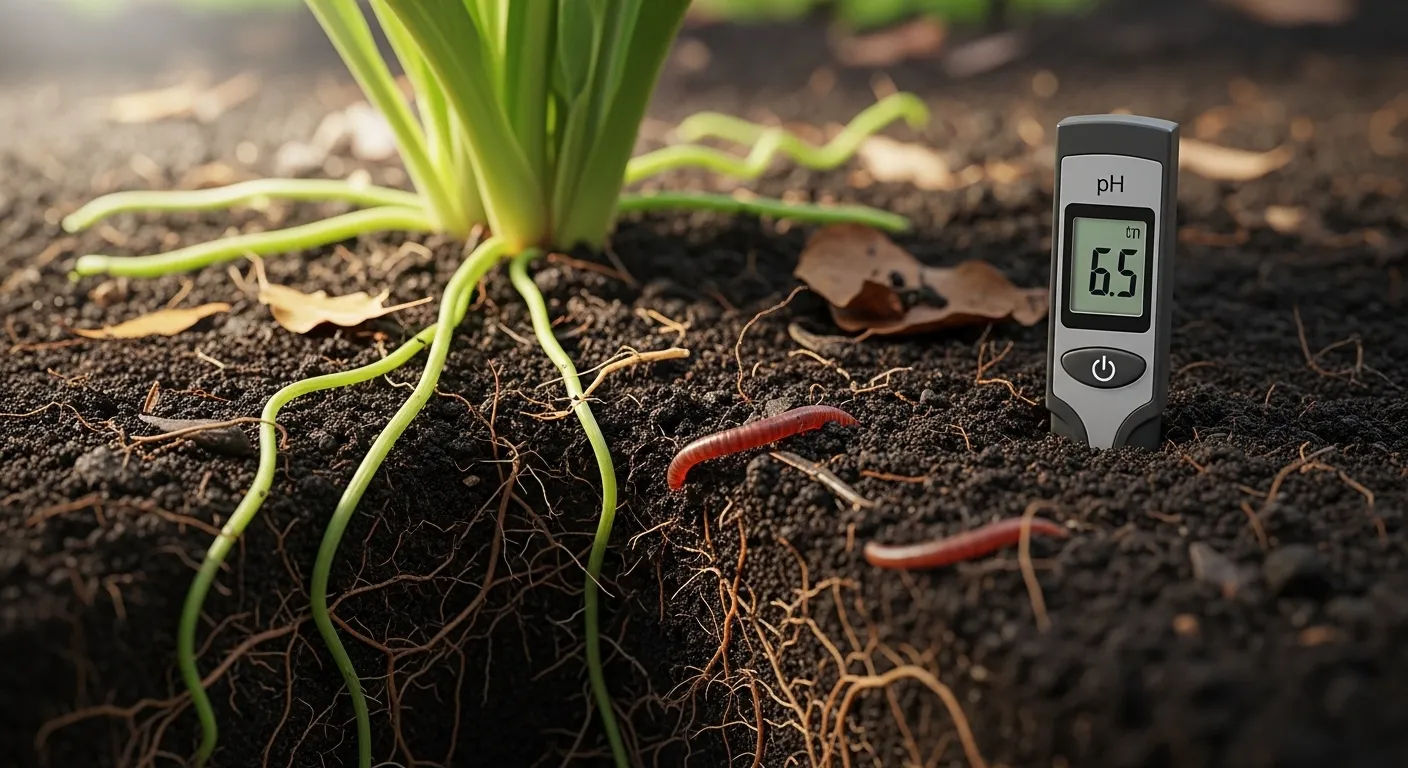
Let's get down to brass tacks: pH is basically soil's personality test. On a scale of 0 to 14, 7 is neutral—think of it as soil's "meh" zone. Below 7? Acidic, like a lemon that's had a bad day. Above 7? Alkaline, like baking soda that thinks it's better than everyone else. Most plants prefer slightly acidic soil (around 6.0–6.8), but some divas like blueberries and azaleas demand seriously acidic conditions (4.5–5.5). When your decreasing soil pH efforts fail, these acid-lovers throw tantrums—yellow leaves, stunted growth, and the silent treatment. It's like trying to grow cacti in a swamp; the environment just ain't right. Understanding your soil's current pH is step one in this whole decreasing soil pH adventure.
Testing Your Soil pH: Don't Guess, Test!
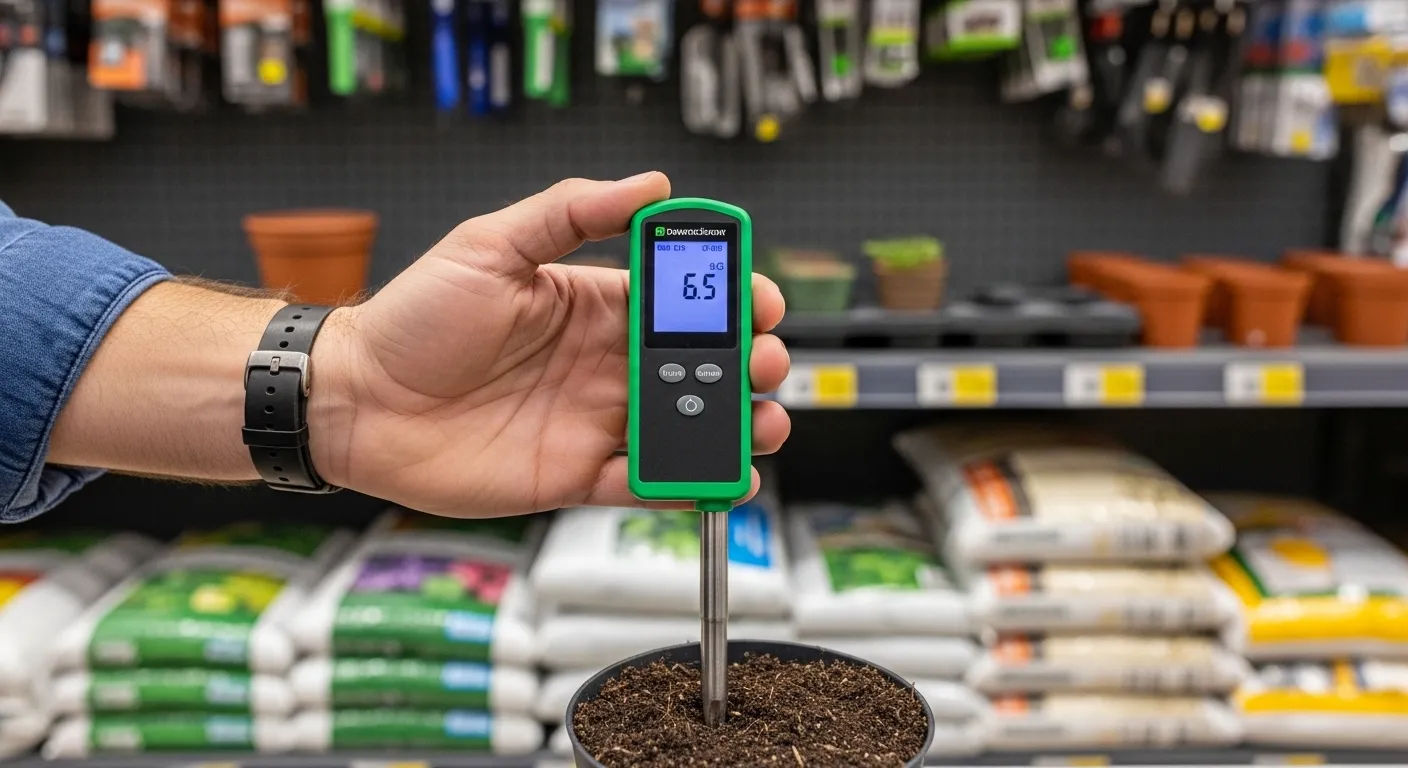
Before you go dumping random stuff into your garden like a mad scientist, you gotta know what you're working with. Grab yourself a soil test kit—cheap ones run about $10–$20, or you can send samples to your local extension office for a more detailed analysis. Here's a quick reference table for common plants and their ideal pH ranges:
| Plant Type | Ideal pH Range | Notes |
|---|---|---|
| Blueberries | 4.5–5.5 | Super acid-lovers |
| Azaleas/Rhododendrons | 4.5–6.0 | Will pout if too alkaline |
| Hydrangeas | 5.0–6.0 | Blue in acid, pink in alkaline |
| Tomatoes | 6.2–6.8 | Pretty chill about it |
| Lawn Grass | 6.0–7.0 | Flexible but prefers slightly acidic |
Knowing your starting point makes all the difference when you're serious about decreasing soil pH. Otherwise, you're just throwing spaghetti at the wall and hoping some of it sticks—which, by the way, won't actually lower pH. (Don't ask how we know that.)
The Fastest Way to Lower pH in Soil: Sulfur to the Rescue
If you're in a hurry and need to see results yesterday, elemental sulfur is your new best friend. This yellow powder works like magic—well, chemistry—but it's the go-to for serious decreasing soil pH projects. Here's the deal: sulfur needs soil bacteria to convert it into sulfuric acid, which then lowers pH. The catch? It takes time. Sandy soils might see changes in 1–2 months, but clay soils can take 6–12 months. For faster results, use aluminum sulfate or iron sulfate—they work immediately but can be harsh if overapplied. Rule of thumb: for every 100 square feet, use about 1 pound of elemental sulfur to drop pH by one full point. Just don't go overboard; you can always add more later, but fixing over-acidified soil is a whole other headache.
Organic Methods for Decreasing Soil pH Naturally
Not everyone wants to play chemist in their garden, and that's cool. There are plenty of organic ways to tackle decreasing soil pH without synthetic additives. Pine needles, for instance, are basically nature's pH-lowering gift—they break down slowly and release acids as they decompose. Same goes for oak leaves and peat moss (though peat moss is controversial for environmental reasons these days). Composted manure from herbivores can also help, especially if it's mixed with acidic bedding materials. The key with organic methods? Patience. These approaches work slower than sulfur but build healthier soil long-term. Think of it like slow-cooking versus microwaving—both get the job done, but one tastes way better.
Will Coffee Grounds Lower Soil pH? The Truth Revealed
Ah, the great coffee grounds debate—the gardening equivalent of "pineapple on pizza." Here's the real scoop: fresh coffee grounds are slightly acidic (around pH 5.0–6.0), but once they decompose, they become nearly neutral. So will dumping your morning brew leftovers dramatically lower soil pH? Not really. However, coffee grounds do add organic matter, improve soil structure, and attract earthworms—which indirectly helps with overall soil health. If you're committed to decreasing soil pH, coffee grounds alone won't cut it, but they can be part of a broader strategy. Just don't expect miracles from your Starbucks leftovers, okay?
Dealing with High pH Soil: When Your Dirt Thinks It's a Baking Soda Volcano
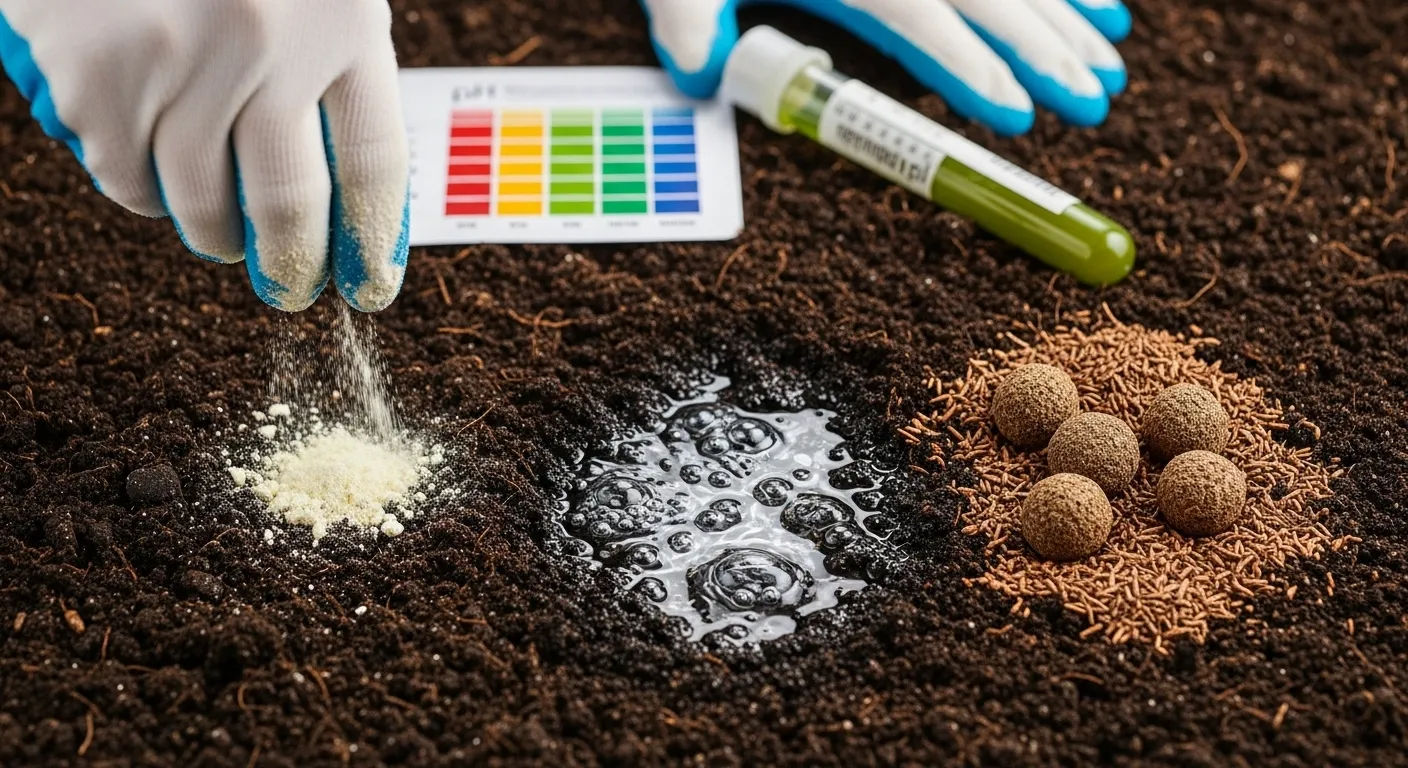
Some soils are just born stubborn—naturally alkaline due to limestone bedrock, hard water irrigation, or years of lime applications. If you're battling high pH soil, first identify the cause. Are you watering with hard water? That could be adding calcium carbonate with every sprinkle. Is your area known for chalky soil? You might be fighting geology itself. Once you know why your pH is sky-high, you can choose the right approach for decreasing soil pH. For severe cases (pH above 8.0), you might need multiple applications of sulfur over several seasons. For moderate alkalinity (pH 7.5–8.0), organic amendments combined with occasional sulfur treatments usually do the trick. Remember: Rome wasn't built in a day, and neither is perfect soil pH.
How Long Does It Take to See Results When Decreasing Soil pH?
Patience, grasshopper. Seriously—this ain't a microwave dinner. The timeline for decreasing soil pH depends on several factors: your starting pH, soil type, amendment used, and even weather conditions. Sandy soils respond fastest (1–3 months), loamy soils take moderate time (3–6 months), and clay soils are the slowpokes of the bunch (6–12 months). Temperature matters too—soil bacteria work slower in cold weather, so fall applications might not show results until spring. The golden rule? Test your soil every 2–3 months after amending, and don't reapply until you see how the first treatment worked. Overdoing it can create new problems, like aluminum toxicity in extremely acidic soils. Nobody wants that drama.
Common Mistakes to Avoid When Decreasing Soil pH
Let's talk about what NOT to do when you're on a decreasing soil pH mission. First mistake: over-applying sulfur. More isn't always better—too much can burn plants and create toxic conditions. Second mistake: ignoring soil type. What works for sandy soil might fail miserably in clay. Third mistake: expecting overnight results and giving up too soon. Fourth mistake: not retesting. You can't manage what you don't measure. And fifth—and this is a big one—using vinegar or lemon juice as quick fixes. Sure, they're acidic, but they wash away quickly and can harm beneficial soil microbes. Stick to proven methods, even if they take longer. Your plants will thank you later.
Seasonal Considerations for Decreasing Soil pH Effectively
Timing is everything, folks. The best time to start decreasing soil pH is actually fall—gives amendments all winter to work their magic before spring planting. But if you missed that window, early spring is your next best bet. Avoid amending during extreme heat or drought; stressed plants plus pH changes equals garden tragedy. Also, consider your local climate: in areas with heavy rainfall, pH might naturally decrease over time, while arid regions tend to become more alkaline. Adjust your strategy accordingly. And here's a pro tip: if you're using sulfur, apply it when soil temps are above 50°F (10°C)—that's when the bacteria that convert sulfur are most active. Working with nature beats fighting it every time.
Your Complete Action Plan for Decreasing Soil pH Successfully
Ready to transform that alkaline nightmare into acidic paradise? Here's your step-by-step game plan for decreasing soil pH: First, test your soil to know your starting point. Second, calculate how much amendment you need based on your soil type and desired pH change. Third, choose your weapon—elemental sulfur for long-term results, aluminum sulfate for quick fixes, or organic methods for gradual improvement. Fourth, apply evenly and water thoroughly. Fifth, wait patiently and retest every few months. Sixth, adjust as needed. For more gardening wisdom, check out Potaday. Dive deeper into soil science with our Growing category, or learn how to test accurately with Best PH Meter For Soil Testing Top Picks. Remember: successful decreasing soil pH is a marathon, not a sprint—but your acid-loving plants will absolutely thrive once you get it right.
Frequently Asked Questions
What is the fastest way to lower pH in soil?
The fastest way to lower pH in soil is using aluminum sulfate or iron sulfate, which work immediately upon application. For every 100 square feet, apply about 5 pounds of aluminum sulfate to drop pH by one point. However, for long-term decreasing soil pH with less risk of plant damage, elemental sulfur is recommended—it takes 1–6 months depending on soil type but provides more stable results.
How to make soil pH go down?
To make soil pH go down, you can use elemental sulfur (1 pound per 100 sq ft per pH point), aluminum sulfate for faster results, or organic methods like pine needles, oak leaves, and peat moss. The key to successful decreasing soil pH is knowing your starting pH, calculating the right amount of amendment, applying evenly, and retesting regularly to monitor progress.
How to deal with high pH soil?
To deal with high pH soil, first identify the cause (hard water, limestone bedrock, previous lime applications). Then choose appropriate amendments: elemental sulfur for moderate cases, aluminum sulfate for severe alkalinity, or organic matter for gradual improvement. For persistent high pH issues, consider raised beds with custom soil mixes. Regular testing and patience are essential when decreasing soil pH in naturally alkaline conditions.
Will coffee grounds lower soil pH?
Coffee grounds have minimal impact on decreasing soil pH. While fresh grounds are slightly acidic (pH 5.0–6.0), they become nearly neutral as they decompose. Coffee grounds won't significantly lower soil pH, but they do add organic matter and improve soil structure. For actual pH reduction, use proven amendments like elemental sulfur or aluminum sulfate instead of relying on coffee grounds alone.
References
- https://extension.umn.edu/planting-and-growing-guides/soil-ph
- https://www.rhs.org.uk/advice/profile?pid=430
- https://www.gardeningknowhow.com/garden-how-to/soil-fertilizers/lower-ph-in-soil.htm
- https://extension.psu.edu/soil-ph-and-plants