High pH in Soil Correction Tips
- 1.
Ever Wondered Why Your Plants Are Throwin' a Tantrum Despite All Your TLC?
- 2.
What Exactly Is High pH in Soil and Why Should You Care?
- 3.
What Are Signs of High pH in Soil That'll Make You Go "Aha!"
- 4.
Is a High pH Good for Soil or Is It Garden Kryptonite?
- 5.
How to Fix High pH in Soil: The Ultimate Rescue Mission
- 6.
How to Make Soil pH Go Down: The Step-by-Step Game Plan
- 7.
The Cost of Correction: What Fixing High pH in Soil Really Sets You Back
- 8.
Organic vs. Chemical Solutions for High pH in Soil
- 9.
Prevention Is Better Than Cure: Avoiding High pH in Soil from the Start
- 10.
Your Roadmap to Soil pH Success: From Problem to Solution
Table of Contents
high ph in soil
Ever Wondered Why Your Plants Are Throwin' a Tantrum Despite All Your TLC?
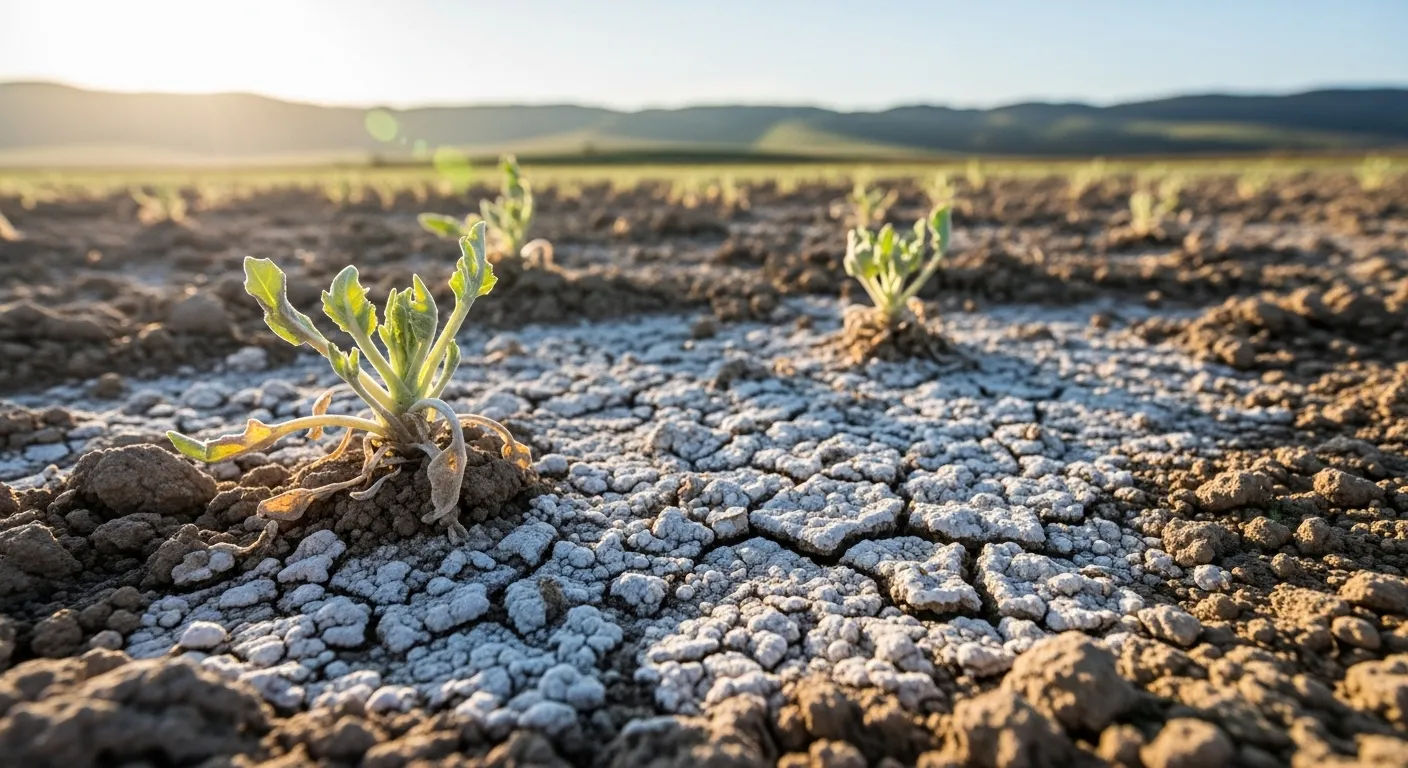
You know that feelin' when you're pourin' your heart and soul into your garden, waterin' like it's your job, fertilizin' like you're gettin' paid by the pound, and your plants are still lookin' at you like you just told 'em there's no such thing as sunshine? Yeah, we've been there too, folks. It's like your tomatoes are judgin' you from their sad little leaves, and your roses are givin' you the silent treatment. More often than not, that stubborn high ph in soil is the sneaky culprit behind your garden's drama. It's the uninvited guest at your plant party, messin' with everyone's vibe and refusin' to leave no matter how many times you hint that the evening's over.
What Exactly Is High pH in Soil and Why Should You Care?
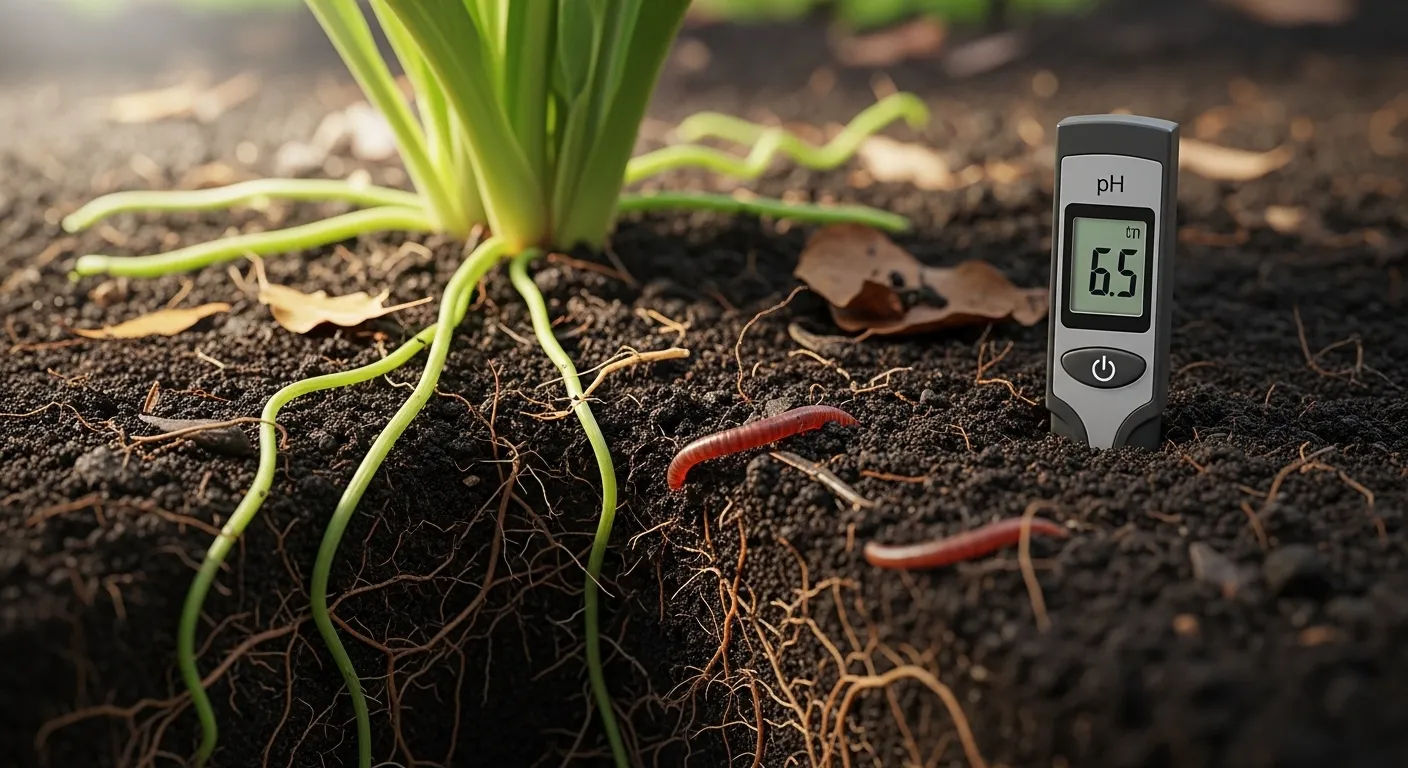
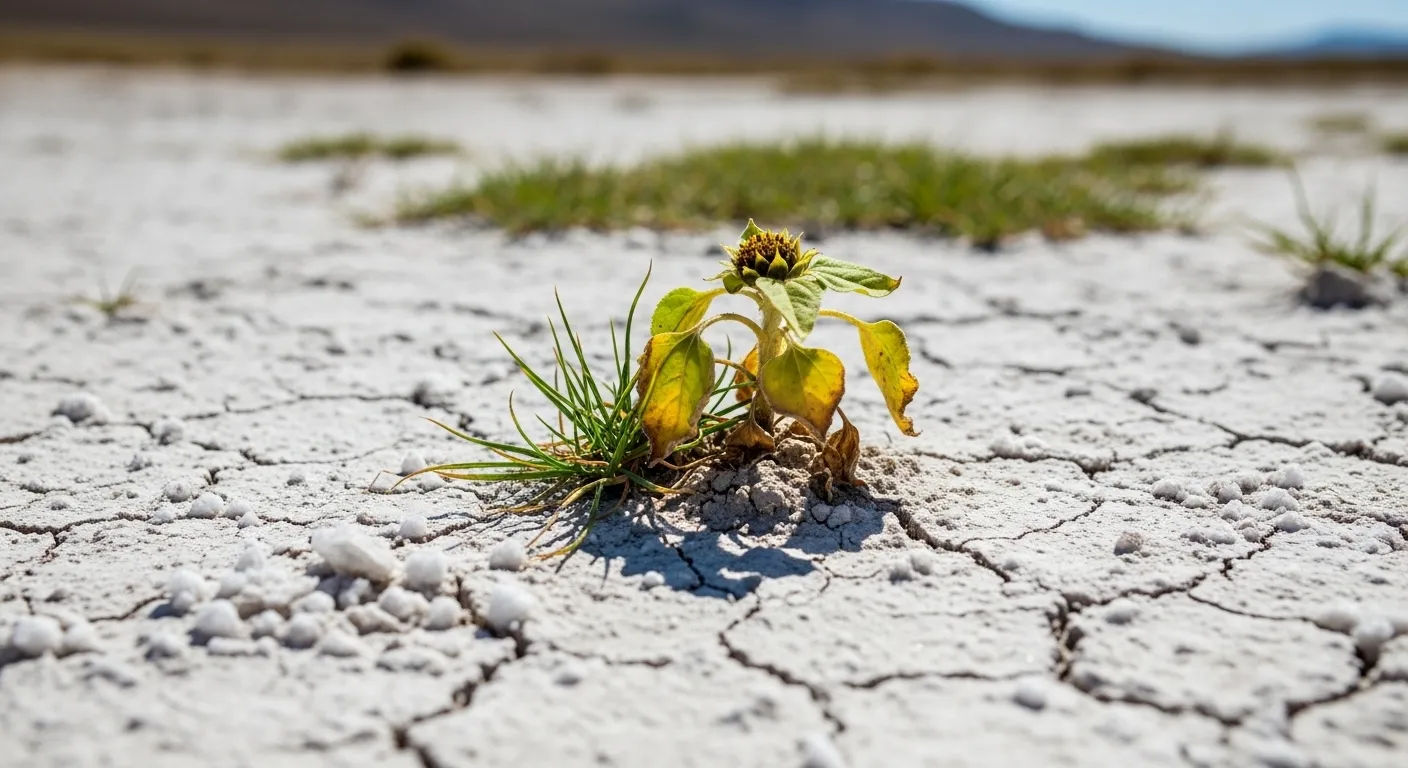
Alright, let's break it down like we're explainin' it to our neighbor over the fence. Soil pH is basically how acidic or alkaline your dirt is—and before you roll your eyes, hear me out. Think of it like Goldilocks and the Three Bears: some plants like it acidic (blueberries are total divas about this), some like it neutral, and others prefer it alkaline. But when you've got high ph in soil, you're dealin' with alkaline conditions that can make essential nutrients practically invisible to your plants. It's like invitin' your friends to a buffet but lockin' all the good food in a vault they can't open. Your plants are starvin' right in front of a feast, and that high ph in soil is holdin' the key.
What Are Signs of High pH in Soil That'll Make You Go "Aha!"
So how do you know if your garden's got a case of the alkalines? Well, sugar, your plants are pretty good at sendin' distress signals if you know what to look for. First red flag: those yellow leaves with green veins—botanists call it chlorosis, but we just call it "my plants look sick as a dog." Second giveaway: stunted growth that makes your seedlings look like they've been on a hunger strike. Third clue: blossom end rot on your tomatoes and peppers, which is basically nature's way of sayin', "Hey, I can't access calcium over here!" And fourth telltale sign: your soil test kit shows numbers creepin' above 7.5. When you're spotin' these symptoms, you can bet your favorite gardening gloves that high ph in soil is crashin' your garden party uninvited.
Is a High pH Good for Soil or Is It Garden Kryptonite?
Now, before we go villainizin' alkaline soil like it's the bad guy in a western movie, let's get one thing straight: high ph in soil ain't inherently evil. Some plants absolutely thrive in alkaline conditions—lavender, lilacs, and clematis are basically the cool kids who prefer the pH to be on the higher side. The problem arises when you're tryin' to grow acid-lovers like azaleas, rhododendrons, or blueberries in soil that's more basic than your ex's taste in music. It's all about match-makin', darlin'. The right high ph in soil for the right plants equals garden bliss. The wrong pH for your chosen crops equals a whole lotta heartache and dead plants. Context is everything, and knowin' your plants' preferences is half the battle.
How to Fix High pH in Soil: The Ultimate Rescue Mission
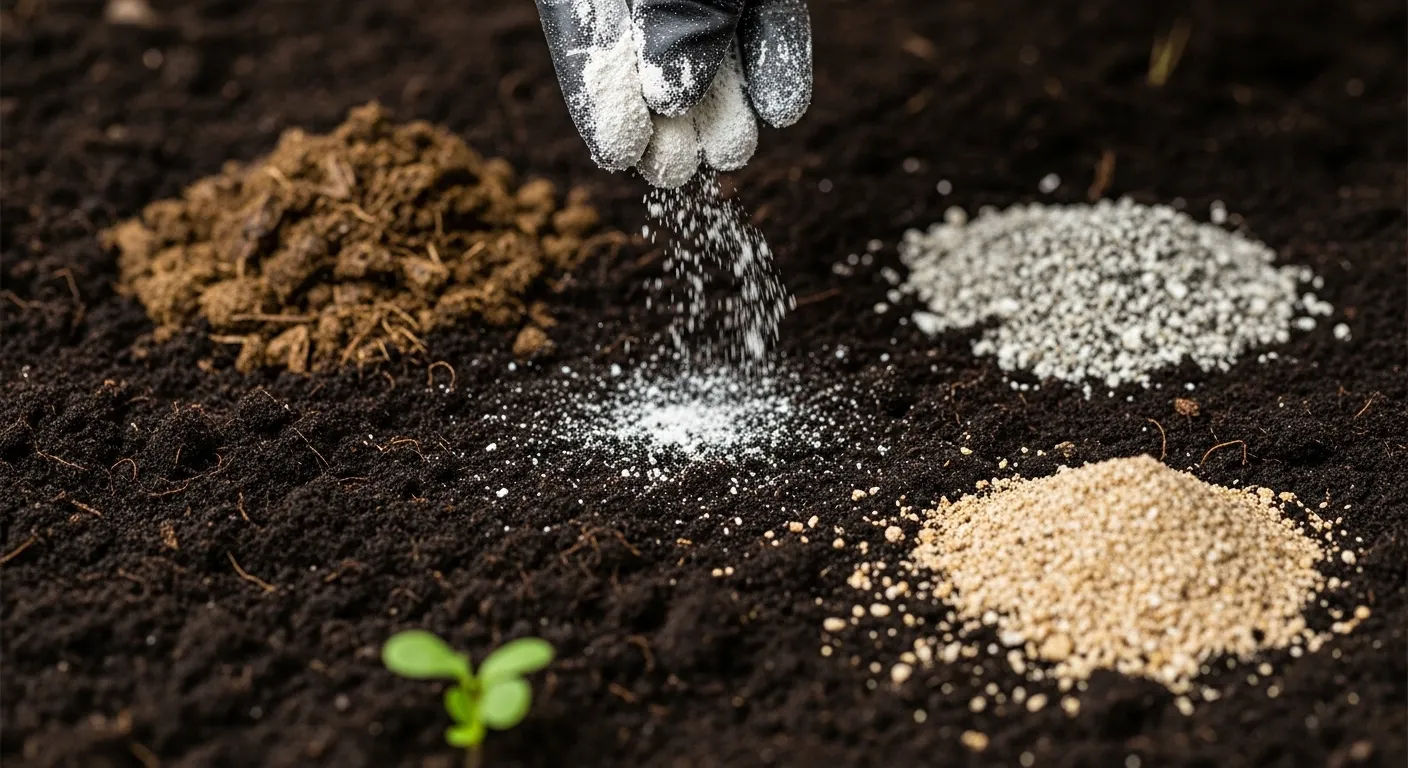
Alright, so you've confirmed you've got high ph in soil and your plants are lookin' at you like you've betrayed them. Don't panic—we've got your back like a trusty garden hoe. The first step is always testin' to know exactly what you're workin' with. Once you've got those numbers, you can start plannin' your pH-lowering strategy. The most common approach involves addin' elemental sulfur to your soil, which is like givin' your dirt a gentle acid bath over time. Aluminum sulfate works faster but can be harsher on your plants if you overdo it. Then there's the organic route—mix in peat moss, composted leaves, or well-rotted manure to naturally bring down that pH. The key with fixin' high ph in soil is patience and consistency; you're not gonna fix years of alkalinity overnight, but with steady effort, you'll get there.
How to Make Soil pH Go Down: The Step-by-Step Game Plan
Let's get practical here, shall we? When you're ready to tackle that high ph in soil, here's your battle plan. First, test your soil to establish a baseline—know your enemy before you fight it. Second, calculate how much amendment you'll need based on your soil type (clay soils need more sulfur than sandy soils, for instance). Third, apply your chosen pH-lowering agent evenly across the affected area. Fourth, water thoroughly to help the amendments start workin' their magic. Fifth, wait about three months before retesting—soil pH changes ain't a sprint, they're a marathon. And sixth, maintain your newly balanced pH with regular additions of organic matter and careful monitoring. Remember, makin' soil pH go down is like trainin' a stubborn puppy—it takes consistency, patience, and lots of positive reinforcement.
The Cost of Correction: What Fixing High pH in Soil Really Sets You Back
Let's talk money, honey, because gardenin' ain't always cheap. Here's a rough breakdown of what you might spend to correct that high ph in soil:
| Amendment Type | Cost per 100 sq ft (USD) | Time to Effect |
|---|---|---|
| Elemental Sulfur | $8-15 | 3-6 months |
| Aluminum Sulfate | $12-20 | 1-3 months |
| Peat Moss (3 cu ft) | $10-18 | Gradual improvement |
| Composted Leaves | $0-5 (if homemade) | 6-12 months |
| Soil Test Kit | $15-30 | Immediate results |
| Professional Soil Test | $25-50 | 1-2 weeks |
Now, don't let those numbers scare you off. Many of these amendments can be purchased in bulk for better value, and some—like composted leaves—you might already have access to for free if you're willin' to put in the work. The investment in fixin' your high ph in soil pays off in healthier plants, better yields, and fewer headaches down the road.
Organic vs. Chemical Solutions for High pH in Soil
Here's where gardeners tend to get real passionate—like, "I'll-fight-you-over-this" passionate. When it comes to addressin' high ph in soil, you've got two main camps: the organic enthusiasts and the chemical quick-fix crowd. Organic methods include addin' peat moss, composted pine needles, coffee grounds, or well-rotted manure—all of which gradually lower pH while improvin' soil structure and fertility. Chemical methods involve elemental sulfur or aluminum sulfate, which work faster but don't contribute as much to overall soil health. The organic approach is like slow-cookin' a stew—it takes time but the results are rich and complex. The chemical approach is like microwavin' leftovers—fast and effective, but maybe not as nourishin' in the long run. Your choice depends on your timeline, your gardening philosophy, and how desperate your plants are lookin'.
Prevention Is Better Than Cure: Avoiding High pH in Soil from the Start
You know what they say—an ounce of prevention is worth a pound of cure. When it comes to high ph in soil, the best strategy is stoppin' it before it starts. First, know your native soil pH before you even plant your first seed. Second, choose plants that are naturally suited to your soil's pH rather than fightin' Mother Nature every step of the way. Third, regularly add organic matter to maintain soil health and buffer against pH swings. Fourth, be mindful of what you're addin' to your soil—some fertilizers and amendments can gradually raise pH over time. And fifth, test your soil annually to catch any changes before they become major problems. Preventin' high ph in soil is like maintainin' a healthy relationship—it takes attention, communication, and regular check-ins to keep things runnin' smoothly.
Your Roadmap to Soil pH Success: From Problem to Solution
So you're ready to conquer that high ph in soil and transform your garden from strugglin' to thrivin'? Here's your complete roadmap. Step one: grab a soil test kit (or send a sample to your local extension office) and get the real numbers. Step two: identify which plants in your garden are sufferin' most from the alkalinity. Step three: choose your pH-lowering method based on your timeline and gardening philosophy. Step four: apply amendments carefully according to package directions—more ain't always better. Step five: water thoroughly and be patient while the changes take effect. Step six: retest after a few months to see your progress. Step seven: adjust your approach as needed based on results. And step eight: celebrate your success when your plants start lookin' happy again! Remember, masterin' soil pH is a journey, not a destination, and every gardener learns somethin' new along the way.
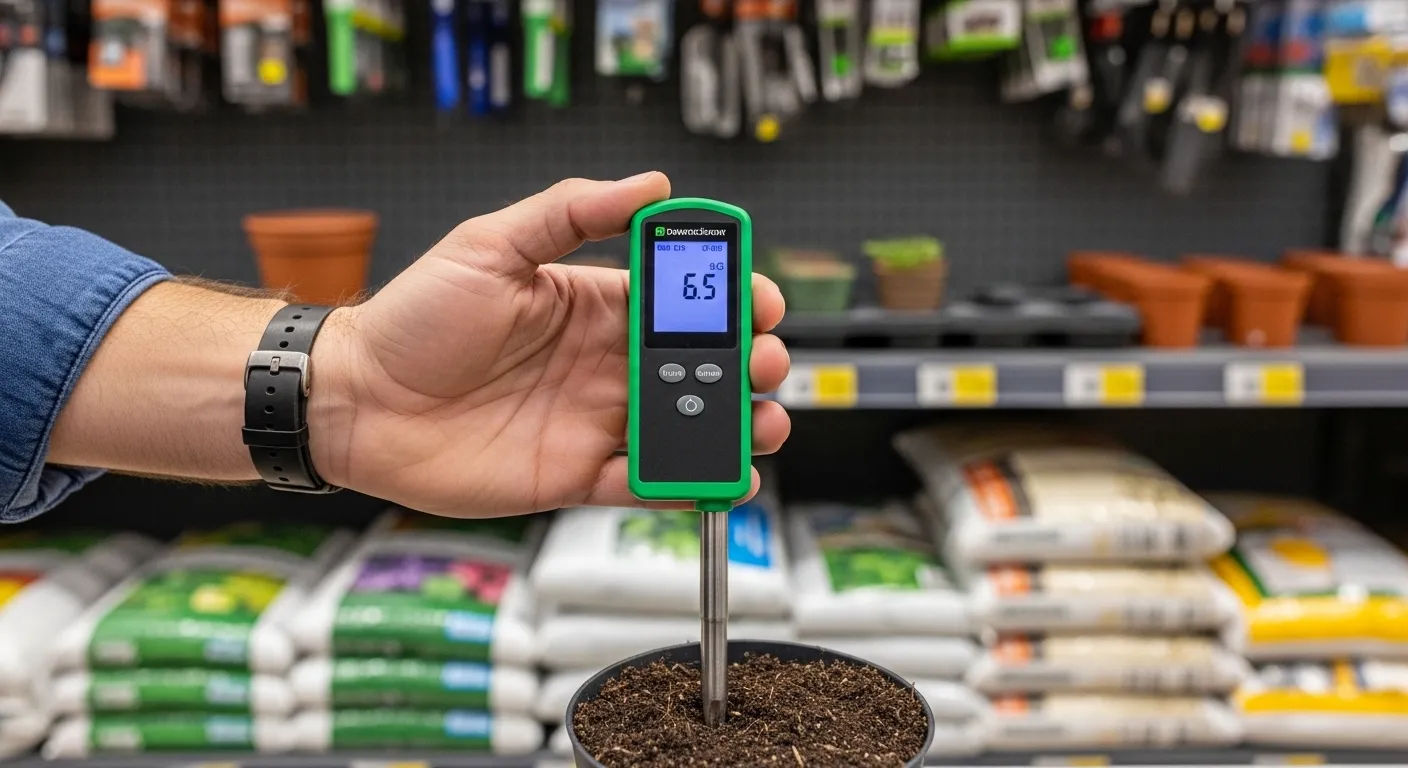
If you're lookin' for more gardening wisdom and practical tips, check out our main hub at Potaday where we share everything from soil science to plant care. For more detailed articles about growing techniques and garden management, explore our Growing category packed with helpful resources. And if you want to take the guesswork out of soil testing, don't miss our comprehensive guide on PH Tester For Soil And Water Versatile Tool that'll help you monitor your garden's health like a pro.
Frequently Asked Questions
How to fix high pH in soil?
To fix high ph in soil, start by testing your soil to confirm the pH level and determine how much correction is needed. The most effective methods include adding elemental sulfur (which works gradually over 3-6 months), aluminum sulfate (which works faster but can be harsher), or organic amendments like peat moss, composted pine needles, or well-rotted manure. Apply amendments according to package directions based on your soil type and desired pH change, water thoroughly after application, and retest after 2-3 months to monitor progress. For severe cases, you may need multiple applications over time to achieve the desired pH level.
What are signs of high pH in soil?
Common signs of high ph in soil include yellowing leaves with green veins (iron chlorosis), stunted plant growth, poor flowering or fruiting, blossom end rot in tomatoes and peppers, and general plant weakness despite adequate watering and fertilization. You might also notice that acid-loving plants like azaleas, blueberries, or rhododendrons struggle to thrive while alkaline-tolerant plants do well. The most definitive sign is a soil test showing pH levels above 7.5. When plants can't access essential nutrients due to high pH, they exhibit these deficiency symptoms even when nutrients are present in the soil.
How to make soil pH go down?
To make soil pH go down and address high ph in soil, you can use several methods depending on your timeline and gardening preferences. For quick results, apply aluminum sulfate following package directions. For gradual, long-term improvement, use elemental sulfur which soil bacteria convert to sulfuric acid over time. Organic options include incorporating peat moss, composted pine needles, coffee grounds, or well-rotted manure into the soil. The amount needed depends on your soil type (clay requires more than sand) and how much you need to lower the pH. Always test your soil before and after treatment to monitor progress and avoid over-correction.
Is a high pH good for soil?
Whether high ph in soil is good depends entirely on what you're trying to grow. High pH (alkaline soil) is beneficial for plants that prefer alkaline conditions, such as lavender, lilacs, clematis, and some vegetables like asparagus and cabbage. However, high pH is problematic for acid-loving plants like blueberries, azaleas, rhododendrons, and potatoes, as it makes essential nutrients like iron, manganese, and phosphorus less available to plants. Most vegetables and flowers prefer slightly acidic to neutral soil (pH 6.0-7.0). The key is matching your plants to your soil pH or adjusting the pH to suit your chosen crops rather than viewing high pH as inherently good or bad.
References
- https://www.rhs.org.uk/soil-composts-mulches/soil-ph
- https://extension.umn.edu/planting-and-growing-guides/soil-ph
- https://www.gardeningknowhow.com/garden-how-to/soil-fertilizers/soil-ph-plants.htm
- https://extension.psu.edu/soil-ph
- https://www.planetnatural.com/soil-ph/