Ideal pH for Soil Plant Success
- 1.
Ever Wondered Why Your Plants Are Throwin' a Tantrum?
- 2.
What Exactly Is Soil pH Anyway? Let's Break It Down
- 3.
Which pH Is Best for Agriculture? The Million-Dollar Question
- 4.
What Happens If the pH of the Soil Is Too Low or High? Disaster Zone
- 5.
What Does a Soil pH of 7.5 Mean? Decodin' the Numbers
- 6.
Is a pH of 7 Too High for Tomatoes? The Great Tomato Debate
- 7.
How to Test Your Soil pH: No Lab Coat Required
- 8.
How to Adjust Soil pH: Fixin' What's Broken
- 9.
Plant-Specific pH Requirements: Know Your Audience
- 10.
Maintaining Your Ideal pH for Soil: The Long Game
Table of Contents
ideal ph for soil
Ever Wondered Why Your Plants Are Throwin' a Tantrum?
Picture this: you're out in your garden, sweat drippin' down your brow, talkin' sweet nothings to your tomatoes like they're your favorite pet, and yet... they're lookin' at you like you just told 'em the WiFi password is wrong. We've all been there, haven't we? You water 'em, you fertilize 'em, you even sing to 'em (don't lie, we know you do), but somethin's just not clickin'. Well, partner, let me drop some knowledge on ya—your ideal ph for soil might be way off, and your plants are basically sendin' you smoke signals that you're missin'. Soil pH ain't just some fancy science term your high school teacher threw at you to make you feel dumb; it's the secret sauce, the magic ingredient, the difference between a garden that looks like it belongs in a magazine and one that looks like it survived a zombie apocalypse. Gettin' that ideal ph for soil right is like findin' the perfect recipe for your grandma's apple pie—it just makes everything work together in harmony.
What Exactly Is Soil pH Anyway? Let's Break It Down
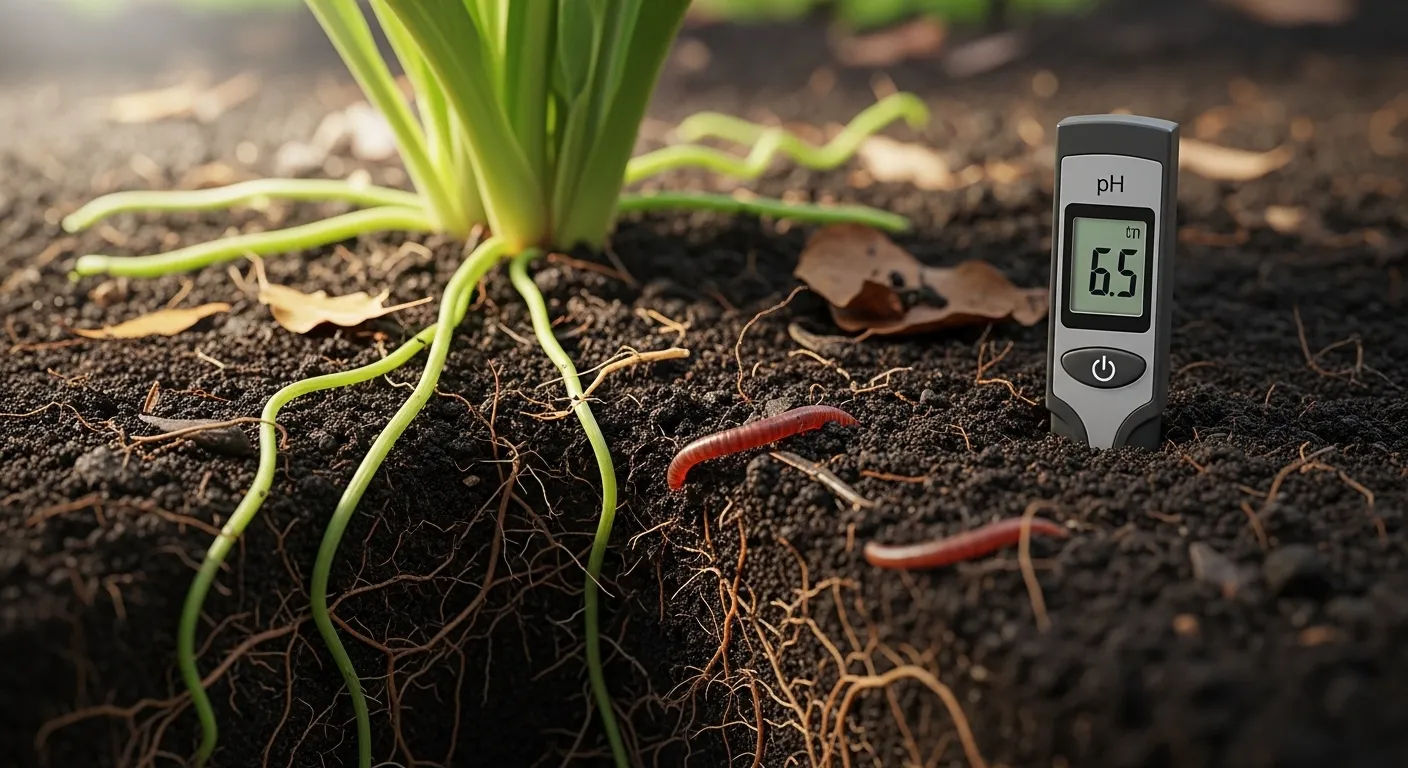
Alright, let's get back to basics for a hot minute. Soil pH is basically a measure of how acidic or alkaline your dirt is—think of it like the soil's personality test. The scale runs from 0 to 14, with 7 bein' right in the middle (that's neutral, like Switzerland in a world war). Anything below 7 is acidic (think lemon juice or vinegar), and anything above 7 is alkaline (like baking soda or soap). Now, here's where it gets interestin'—most plants have a sweet spot where they're happiest, and that sweet spot is usually somewhere between 6.0 and 7.5. But—and this is a big but—not all plants are created equal. Some divas like blueberries prefer their soil on the acidic side (around 4.5-5.5), while others like asparagus are totally cool with alkaline conditions (up to 8.0). The key to findin' that ideal ph for soil is knowin' what you're plantin' and what makes it tick. It's like datin'—you gotta know what your partner likes before you can make 'em happy.
Which pH Is Best for Agriculture? The Million-Dollar Question
If you're runnin' a farm or even just a decent-sized veggie patch, you're probably wonderin' what that magic number is for maximum yield and happy plants. Well, here's the scoop: for most agricultural crops, the ideal ph for soil falls between 6.0 and 7.0. This range is like the Goldilocks zone—not too acidic, not too alkaline, but just right for nutrient availability. When your soil pH is in this sweet spot, essential nutrients like nitrogen, phosphorus, potassium, calcium, and magnesium are most available to your plants. Think of it like a buffet line—when the pH is right, all the good stuff is right there waitin' to be grabbed. But when the pH is off, it's like the buffet ran out of the good stuff and all you're left with is sad, wilted lettuce. For commercial agriculture, maintainin' that ideal ph for soil can mean the difference between a bumper crop and a total bust, which is why smart farmers test their soil regularly and make adjustments as needed.
What Happens If the pH of the Soil Is Too Low or High? Disaster Zone
Alright, let's talk about what happens when things go south. If your soil pH is too low (too acidic, below 5.5), you're basically creatin' a hostile environment for most plants. Aluminum and manganese can become toxic at low pH levels, literally poisonin' your plants from the roots up. Nutrients like phosphorus, calcium, and magnesium become less available, so even if you're fertilizin' like crazy, your plants can't access what they need. On the flip side, if your pH is too high (too alkaline, above 8.0), you've got a whole different set of problems. Iron, manganese, zinc, and copper become less available, leadin' to nutrient deficiencies that show up as yellowin' leaves and stunted growth. It's like tryin' to drink water through a clogged straw—frustratin' and ultimately unsatisfyin'. The bottom line? Gettin' that ideal ph for soil right isn't just about makin' your plants happy; it's about preventin' a full-blown garden catastrophe.
What Does a Soil pH of 7.5 Mean? Decodin' the Numbers
So you tested your soil and got a reading of 7.5—now what? Well, first off, don't panic. A pH of 7.5 means your soil is slightly alkaline, which isn't necessarily a death sentence for your garden. In fact, many plants actually prefer slightly alkaline conditions. Vegetables like asparagus, beets, cabbage, and spinach do just fine in soil with a pH around 7.5. The same goes for many herbs like rosemary, thyme, and oregano. However, if you're tryin' to grow acid-loving plants like blueberries, azaleas, or rhododendrons, a pH of 7.5 is gonna make them pretty miserable. The key is understandin' what that number means for your specific situation. A pH of 7.5 also means that certain nutrients might be less available, particularly iron and manganese, so you might need to supplement with chelated forms of these nutrients if you notice deficiency symptoms. Remember, that ideal ph for soil number is just a guideline—what matters most is how your plants are actually respondin' to the conditions you're givin' them.
Is a pH of 7 Too High for Tomatoes? The Great Tomato Debate
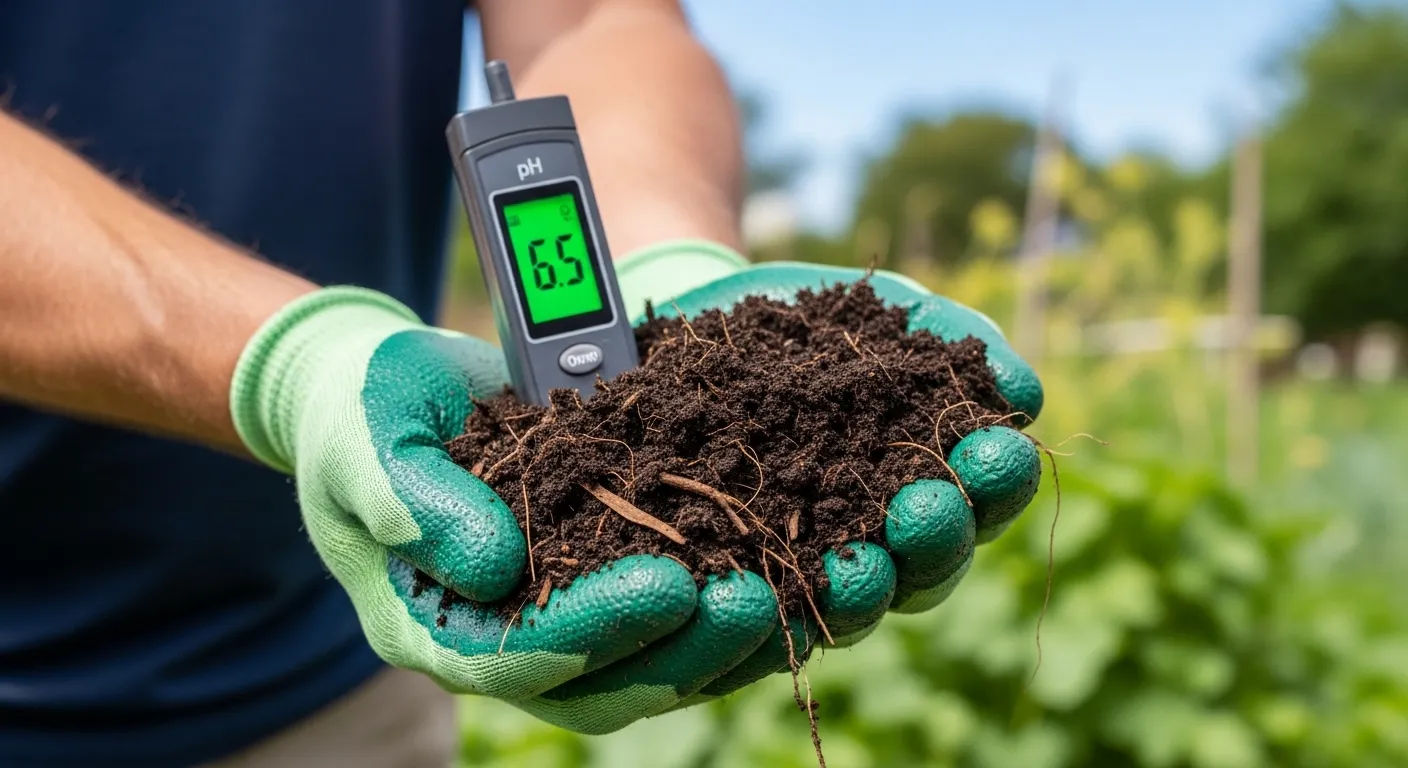
Ah, the tomato question—the one that's caused more arguments at garden club meetings than whether pineapples belong on pizza. Here's the straight dope: a pH of 7 is actually perfectly fine for tomatoes, and in many cases, it's right in their sweet spot. Tomatoes prefer a soil pH between 6.2 and 6.8, but they're pretty adaptable and can handle a range from about 6.0 to 7.5 without too much drama. The real issue with tomatoes and pH isn't so much the number itself as it is nutrient availability. At a pH of 7, calcium uptake can sometimes be an issue, which can lead to blossom end rot (those ugly black bottoms on your tomatoes). But this is usually more about inconsistent waterin' than pH problems. The bottom line? If your soil pH is 7 and your tomatoes are happy, don't fix what ain't broke. But if you're havin' problems, it might be worth tweakin' that ideal ph for soil down to around 6.5 to see if it makes a difference. Remember, tomatoes are tough cookies—they've survived worse than a slightly off pH.
How to Test Your Soil pH: No Lab Coat Required
Alright, enough theory—let's get practical. How do you actually find out what your soil pH is without sendin' samples off to some fancy lab and waitin' weeks for results? Good news: testin' your soil pH is easier than decidin' what to watch on Netflix. You've got several options:
- DIY Test Kits: These little kits from the garden center cost around $10-20 USD and give you a pretty good ballpark reading. Just mix soil with the provided solution and compare the color to the chart.
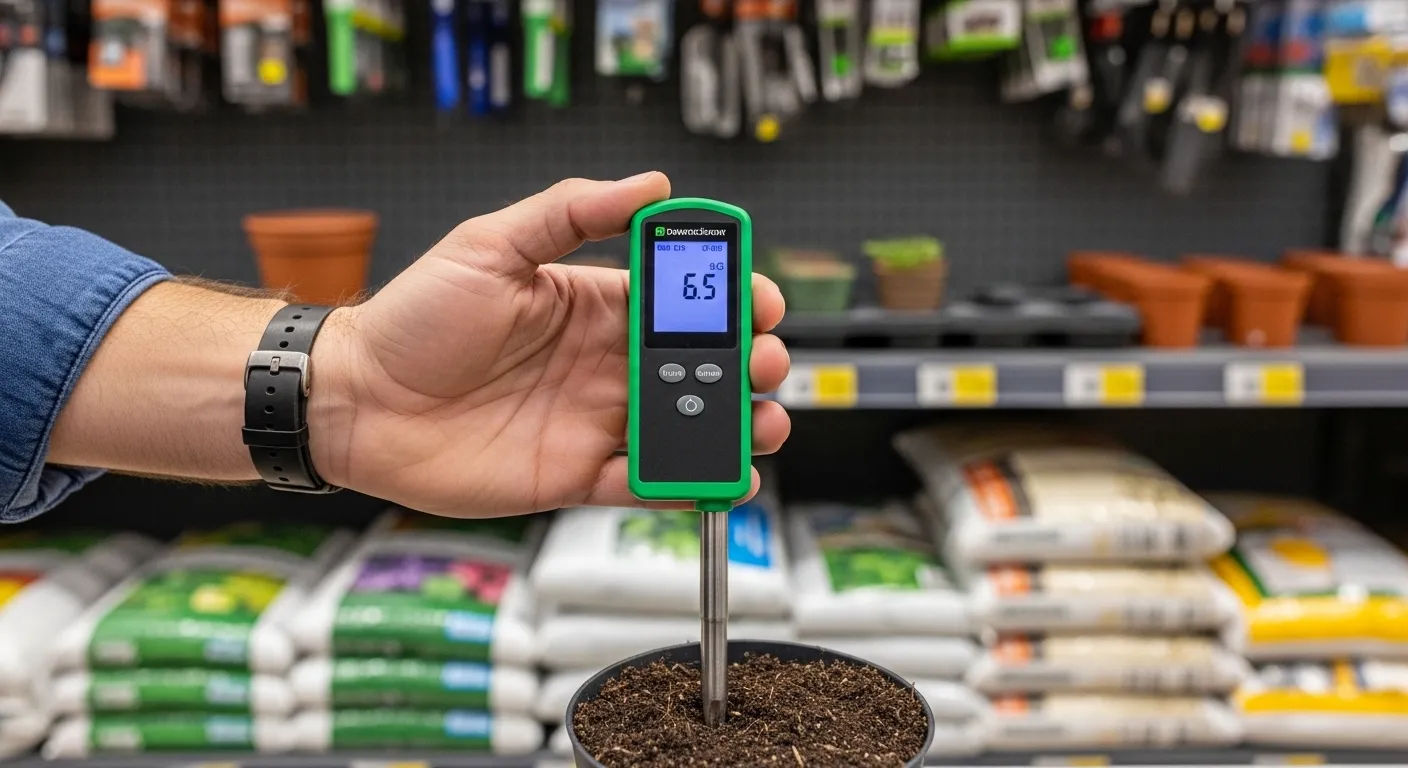
- Digital pH Meters: These handheld gadgets give instant readings and can be reused multiple times. They range from $15-50 USD depending on quality.
- Lab Testing: For the most accurate results, send samples to your local extension office. It might cost $20-50 USD but gives you detailed nutrient analysis too.
- Vinegar/Baking Soda Test: The old-school method—add vinegar to soil; if it fizzes, it's alkaline. Add baking soda; if it fizzes, it's acidic. Not super precise but gives you a general idea.
How to Adjust Soil pH: Fixin' What's Broken
So you tested your soil and discovered it's not in that magical ideal ph for soil range—now what? Don't worry, fixin' soil pH is totally doable, though it does take some patience. If your soil is too acidic (pH too low), you'll want to add lime to raise the pH. There are different types of lime—calcitic lime adds calcium, while dolomitic lime adds both calcium and magnesium. The amount you need depends on your current pH, your target pH, and your soil type (clay soils need more lime than sandy soils). On the flip side, if your soil is too alkaline (pH too high), you'll need to add sulfur or aluminum sulfate to lower the pH. Organic matter like peat moss, compost, or well-rotted manure can also help acidify soil over time. Here's a rough guide:
| Current pH | Target pH | Material to Add | Approximate Amount per 100 sq ft |
|---|---|---|---|
| 5.5 | 6.5 | Garden Lime | 5-10 lbs |
| 7.5 | 6.5 | Elemental Sulfur | 1-2 lbs |
| 6.0 | 6.8 | Dolomitic Lime | 3-5 lbs |
Plant-Specific pH Requirements: Know Your Audience
Here's where things get really interestin'—different plants have different pH preferences, and knowin' these can make you look like a gardenin' genius. Let's break it down by category:
Acid-Lovers (pH 4.5-6.0)
These plants actually prefer their soil on the sour side. Blueberries are the classic example, needin' a pH between 4.5 and 5.5 to really thrive. Azaleas, rhododendrons, camellias, and hydrangeas (if you want blue flowers) also fall into this category. Even potatoes prefer slightly acidic soil around 5.0-6.0. If you're growin' any of these, you'll want to keep that ideal ph for soil on the lower end of the spectrum.
Neutral-Nice (pH 6.0-7.0)
This is where most vegetables and flowers feel right at home. Tomatoes, peppers, carrots, beans, lettuce, and most annual flowers prefer this range. It's the safe bet for general gardenin' when you're not sure what specific plants need. Keepin' your soil in this range ensures that most nutrients are readily available to your plants.
Alkaline-Appreciators (pH 7.0-8.0)
These tough customers don't mind a little alkalinity. Asparagus, beets, cabbage, spinach, and many herbs like rosemary and lavender actually prefer slightly alkaline conditions. Some native plants from arid regions also fall into this category. If you've got naturally alkaline soil, don't fight it—work with it by choosin' plants that are adapted to those conditions.
The key takeaway? There's no one-size-fits-all ideal ph for soil—it all depends on what you're tryin' to grow. Sometimes the smartest approach is to choose plants that match your existing soil conditions rather than tryin' to force your soil to match the plants.Maintaining Your Ideal pH for Soil: The Long Game
Alright, so you've tested, adjusted, and finally got your soil pH right where you want it—congratulations! But don't pop the champagne just yet, because maintainin' that ideal ph for soil is an ongoing process, not a one-and-done deal. Soil pH naturally changes over time due to factors like rainfall (which tends to leach alkaline minerals and make soil more acidic), fertilizer use (many fertilizers are acidic), and organic matter decomposition. Here's how to keep things in check:
- Test your soil pH annually, preferably in the same season each year for consistent comparisons
- Use pH-appropriate fertilizers—some are formulated for acid-loving plants, others for alkaline conditions
- Add organic matter regularly—compost helps buffer pH changes and improves overall soil health
- Be mindful of your water source—well water can be alkaline, while rainwater is slightly acidic
- Watch for signs of pH problems—yellowing leaves, stunted growth, or poor yields can indicate pH issues
Frequently Asked Questions
What happens if the pH of the soil is too low or high?
When soil pH is too low (too acidic, below 5.5), aluminum and manganese can become toxic to plants, while essential nutrients like phosphorus, calcium, and magnesium become less available. This leads to stunted growth, yellowing leaves, and poor yields. When pH is too high (too alkaline, above 8.0), nutrients like iron, manganese, zinc, and copper become less available, causing similar deficiency symptoms. Both extremes create a hostile environment where plants struggle to absorb the nutrients they need, even if those nutrients are present in the soil. Maintaining the ideal ph for soil ensures optimal nutrient availability and prevents these toxicities and deficiencies.
Which pH is best for agriculture?
For most agricultural crops, the ideal ph for soil falls between 6.0 and 7.0. This slightly acidic to neutral range provides optimal availability of essential nutrients like nitrogen, phosphorus, potassium, calcium, and magnesium. Within this range, beneficial soil microorganisms thrive, organic matter decomposes efficiently, and plant roots can easily access the nutrients they need for healthy growth. While specific crops may have slightly different preferences—some preferring more acidic conditions, others tolerating more alkaline soil—the 6.0-7.0 range represents the sweet spot for maximum agricultural productivity and soil health across a wide variety of crops.
What does a soil pH of 7.5 mean?
A soil pH of 7.5 indicates slightly alkaline conditions. This isn't necessarily problematic for many plants, particularly those that prefer neutral to alkaline soil like asparagus, beets, cabbage, spinach, and many herbs such as rosemary and thyme. However, for acid-loving plants like blueberries, azaleas, or rhododendrons, a pH of 7.5 would be too high and could lead to nutrient deficiencies, particularly iron and manganese. At this pH level, some nutrients become less available to plants, which may require supplementation with chelated forms of these nutrients. The ideal ph for soil depends on what you're growing, so a pH of 7.5 might be perfect for some plants while problematic for others.
Is a pH of 7 too high for tomatoes?
No, a pH of 7 is not too high for tomatoes—in fact, it's well within their acceptable range. Tomatoes prefer a soil pH between 6.2 and 6.8, but they're quite adaptable and can thrive in soil with a pH ranging from 6.0 to 7.5. A neutral pH of 7 actually provides good availability of most essential nutrients that tomatoes need. The concern with tomatoes at higher pH levels (above 7.5) is primarily related to calcium uptake, which can contribute to blossom end rot, but this is usually more related to inconsistent watering than pH issues. If your soil pH is 7 and your tomatoes are healthy and productive, there's no need to adjust it. The ideal ph for soil for tomatoes is flexible enough to accommodate a pH of 7 without any problems.
References
- https://www.extension.org/soil-ph-management
- https://www.usda.gov/natural-resources-soil-health
- https://www.gardeningknowhow.com/soil-ph-guide
- https://www.agronomy.org/soil-testing-methods