Japanese Sweet Potato Slip Propagation Steps
- 1.
Ever Wondered How to Get Those Purple Beauties Growing?
- 2.
What Exactly Is a Japanese Sweet Potato Slip, Anyway?
- 3.
How Do You Start Japanese Sweet Potato Slips? The Lazy Gardener's Guide
- 4.
What Month to Plant Sweet Potato Slips? Timing Is Everything, Folks
- 5.
How Long Does It Take to Grow Japanese Sweet Potatoes? The Waiting Game
- 6.
Can You Buy Sweet Potato Slips? Because Sometimes We're Lazy
- 7.
Soil Prep 101: What Your Japanese Sweet Potato Slip Really Wants
- 8.
Watering Wisdom: Don't Drown Your Poor Slips
- 9.
Troubleshooting Common Japanese Sweet Potato Slip Problems
- 10.
Your Complete Guide to Growing Amazing Japanese Sweet Potatoes
Table of Contents
japanese sweet potato slip
Ever Wondered How to Get Those Purple Beauties Growing?
Alright, let's get real for a sec—have you ever stared at a Japanese sweet potato in the grocery store and thought, "I could totally grow this myself"? Maybe you've even bought one of those fancy purple varieties, brought it home, and then just... forgot about it until it started sprouting weird little vines in your pantry. Don't worry, we've all been there. But here's the thing: those little sprouts? They're basically free plants just waiting to happen, and they're called japanese sweet potato slips. Mind blown, right? Instead of tossing that funky-looking spud, you could be growing your own supply of those delicious, nutty-flavored tubers that make regular sweet potatoes look basic. And honestly, once you see how easy it is to start your own japanese sweet potato slip, you'll wonder why you've been buying them from the store all these years.
What Exactly Is a Japanese Sweet Potato Slip, Anyway?
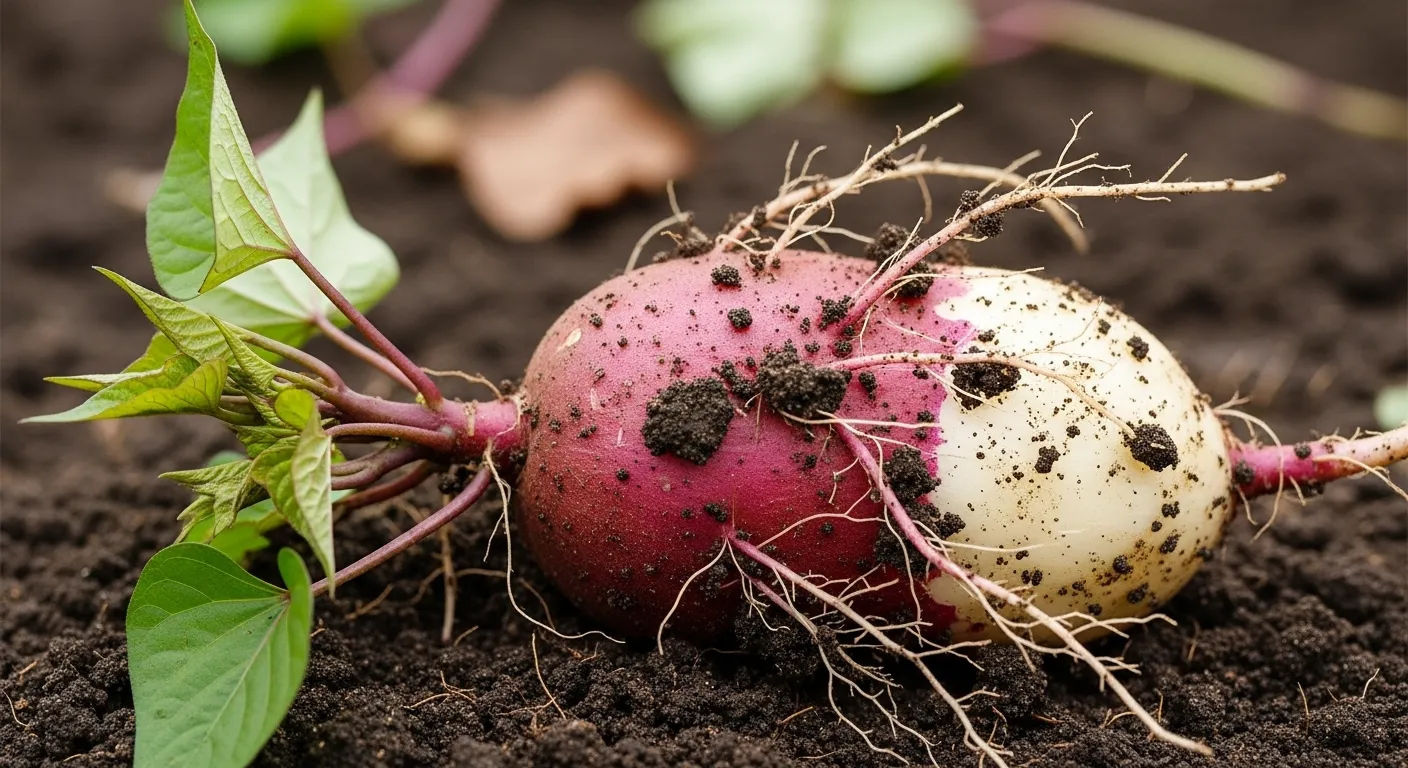
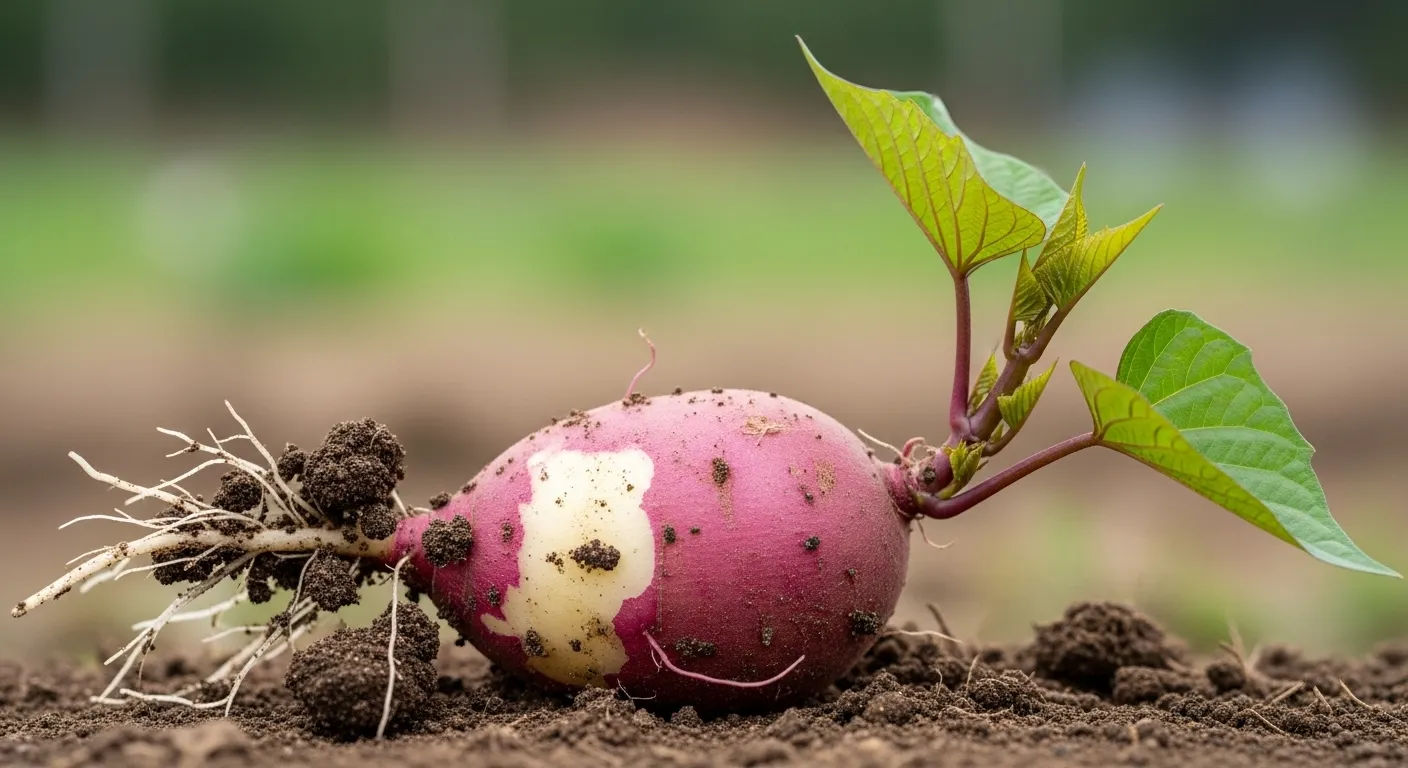
So here's the tea: a japanese sweet potato slip isn't some fancy gardening term meant to confuse you—it's literally just a sprout that grows from a sweet potato. Think of it like the potato's way of saying, "Hey, I'm ready to make more babies!" These slips are the baby plants that will eventually grow into full-fledged sweet potato vines, and if you give them the right conditions, they'll reward you with a whole harvest of those gorgeous purple or white-fleshed tubers. The Japanese varieties (like Satsuma-Imo or Murasaki) are particularly special because they have this amazing chestnut-like flavor and drier texture that makes them perfect for roasting, mashing, or even just eating plain with a sprinkle of sea salt. And the best part? Starting a japanese sweet potato slip is so simple, even your cat could probably do it (okay, maybe not your cat, but you get the point).
How Do You Start Japanese Sweet Potato Slips? The Lazy Gardener's Guide
Alright, listen up because this is about to change your gardening life forever. Starting a japanese sweet potato slip is literally one of the easiest things you'll ever do in the garden. Here's the super simple method: grab a healthy Japanese sweet potato (the ones with purple skin and white or purple flesh work great), find a jar or glass, and stick the potato in it so that about half of it is submerged in water. You can use toothpicks to prop it up if you're feeling fancy. Then just... wait. Seriously, that's it. In about 2-4 weeks, you'll start seeing little sprouts popping up from the top, and roots growing down into the water. Those sprouts are your slips! Once they're about 4-6 inches long, you can gently twist them off and either plant them directly in soil or let them root in water for another week. It's like magic, but with more carbs.
What Month to Plant Sweet Potato Slips? Timing Is Everything, Folks
Now, I know what you're thinking: "Can't I just plant these bad boys whenever I feel like it?" And the answer is... technically yes, but you'll probably end up with sad, stunted plants that look at you like you've personally offended them. Sweet potatoes are tropical plants, which means they hate cold weather. Like, they'll straight-up refuse to grow if the soil temperature is below 60°F (15°C). So here's the golden rule: wait until after your last frost date in spring, when the soil has warmed up nicely. In most of the US, that means late April to early June, depending on where you live. If you're in the South, you can plant earlier; if you're up North, you might need to wait until June. The key is patience—your japanese sweet potato slip will thank you for waiting until the weather is just right.
How Long Does It Take to Grow Japanese Sweet Potatoes? The Waiting Game
Okay, real talk: growing sweet potatoes isn't like growing radishes where you can go from seed to salad in three weeks. These guys take their sweet time (pun totally intended). From the moment you plant your japanese sweet potato slip in the ground, you're looking at about 90-120 days until harvest time. That's roughly 3-4 months of waiting, watching, and occasionally talking to your plants like they're your children (no judgment here). The vines will start spreading like crazy after a few weeks, and you'll think you're basically a master gardener. But resist the urge to dig them up early! Japanese sweet potatoes need that full growing season to develop their signature flavor and texture. Trust the process, and in about four months, you'll be digging up the most beautiful purple tubers you've ever seen. It's like Christmas morning, but with more dirt under your fingernails.
Can You Buy Sweet Potato Slips? Because Sometimes We're Lazy
Let's be honest—sometimes you just don't have the patience to wait 4 weeks for your potato to sprout. Maybe you're late to the gardening game this year, or maybe you just really want to skip the whole "growing slips from scratch" thing. And guess what? That's totally okay! You can absolutely buy sweet potato slips from garden centers, nurseries, or online retailers. Places like Burpee, Southern Exposure Seed Exchange, and even local farm stores often carry Japanese sweet potato slips in the spring. The downside? They can be a bit pricey (usually $2-5 per slip), and you might not get the exact variety you want. But the upside? You can plant them immediately and skip all the waiting around. It's like ordering takeout instead of cooking—sometimes you just need that instant gratification. Plus, buying slips guarantees you're getting disease-free, vigorous plants, which is always a plus.
Soil Prep 101: What Your Japanese Sweet Potato Slip Really Wants
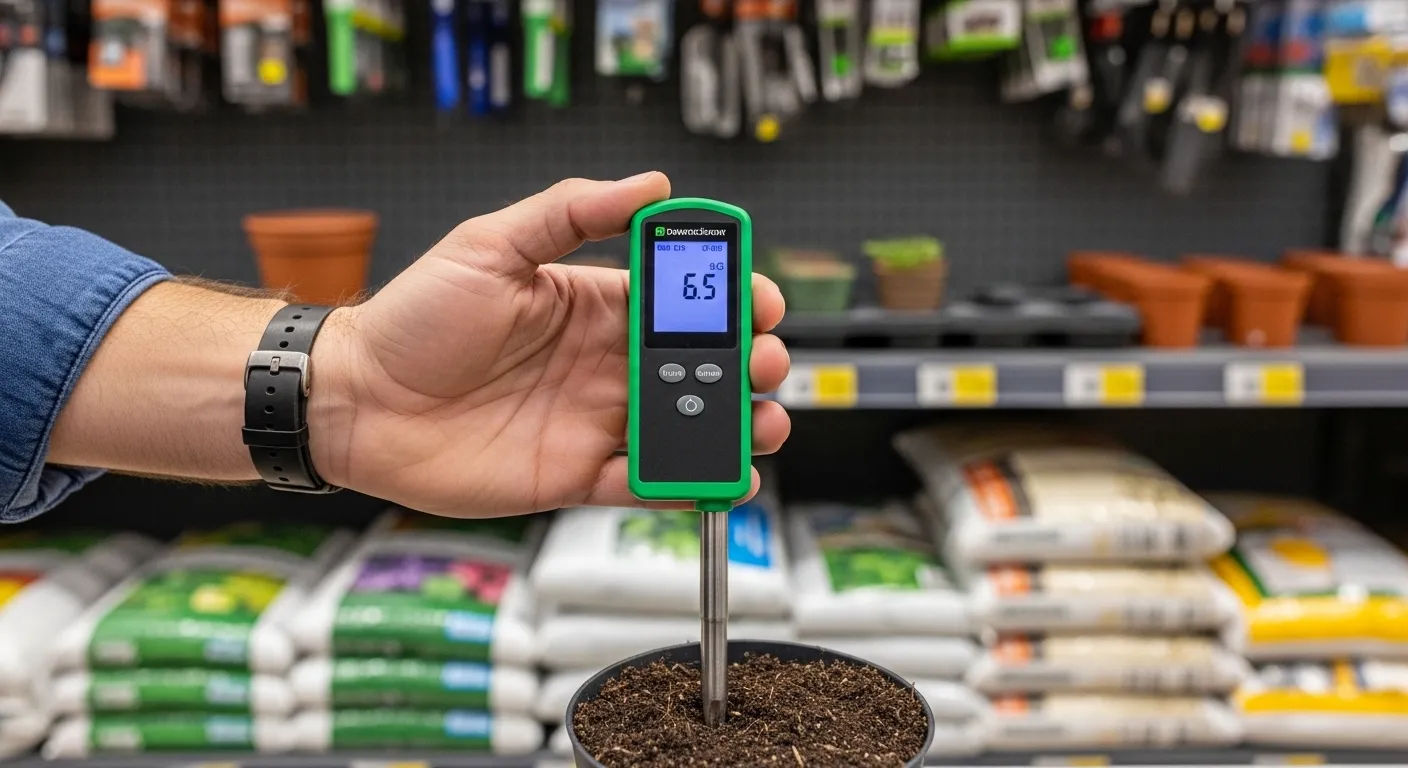
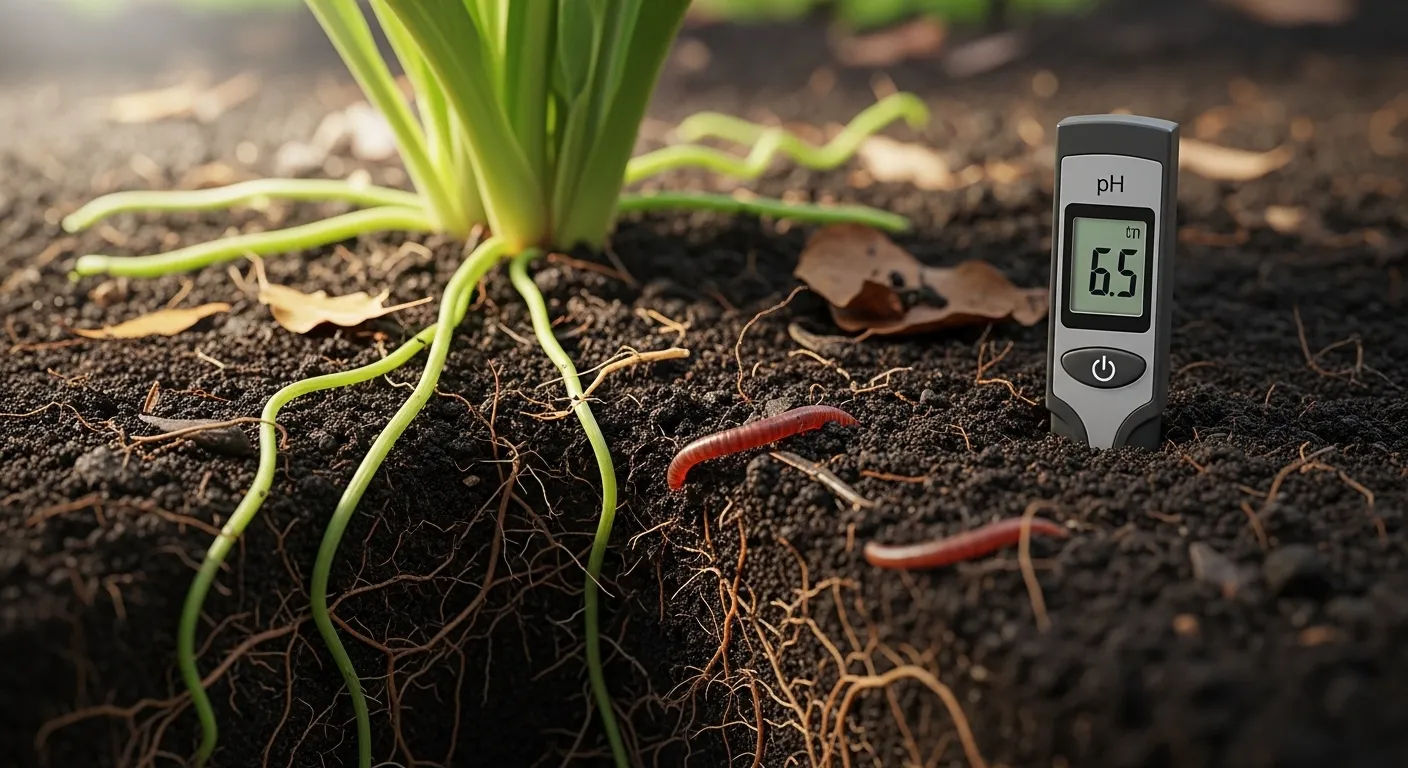
Here's a little secret most gardeners won't tell you: sweet potatoes are actually pretty low-maintenance once they get going. But they do have one non-negotiable requirement—loose, well-draining soil. These tubers need room to expand underground, and if your soil is heavy clay or compacted, they'll end up looking like sad, misshapen lumps. Before planting your japanese sweet potato slip, work some compost or aged manure into the soil to loosen it up and add nutrients. You can even create raised beds or mounds to give the roots extra room to grow. And don't forget about pH—sweet potatoes prefer slightly acidic soil (pH 5.8-6.2), so if your soil is too alkaline, you might want to amend it with some sulfur or peat moss. Think of it like preparing a luxury hotel room for your slips—they deserve the best, right?
Watering Wisdom: Don't Drown Your Poor Slips
Alright, let's talk about the most common mistake new sweet potato growers make: overwatering. I know, I know—you're excited about your new plants, and you want to make sure they're hydrated. But here's the thing: japanese sweet potato slips are actually pretty drought-tolerant once they're established. When you first plant them, give them a good drink to help them settle in, but after that, let the soil dry out slightly between waterings. Too much water can lead to rot or fungal diseases, and nobody wants that. A good rule of thumb is to water deeply once a week (more if it's super hot and dry), making sure the water penetrates at least 6 inches into the soil. And whatever you do, don't water the leaves—always water at the base of the plant to prevent disease. Your slips will thank you with plump, healthy tubers come harvest time.
Troubleshooting Common Japanese Sweet Potato Slip Problems
Look, not everything in the garden goes according to plan, and that's okay. Sometimes your japanese sweet potato slip might look a little sad, or the vines might not be growing as fast as you'd like. Here are some common issues and how to fix them:
- Yellowing leaves: Usually means too much water or not enough nutrients. Back off on watering and consider a light feeding with balanced fertilizer.
- Slow growth: Could be cold soil or lack of sunlight. Make sure your plants are getting at least 6 hours of direct sun daily.
- Wilting: Either underwatering or overwatering. Check soil moisture—if it's bone dry, water; if it's soggy, let it dry out.
- No tubers forming: Usually means too much nitrogen fertilizer. Sweet potatoes need phosphorus and potassium more than nitrogen.
Remember, gardening is a learning process, and even experienced growers have off years. Don't beat yourself up if things don't go perfectly the first time!
Your Complete Guide to Growing Amazing Japanese Sweet Potatoes
Ready to dive in and start your own sweet potato adventure? Whether you're growing from slips you started yourself or buying them ready-made, the journey to harvesting your own japanese sweet potato slip-grown tubers is totally worth it. For more gardening inspiration and tips, check out the homepage of Potaday where we share everything from beginner guides to pro-level techniques. Browse our comprehensive growing resources in the Growing category for seasonal advice and troubleshooting help. And if you're looking to expand your garden beyond sweet potatoes, don't miss our guide to sourcing quality seeds with Buy Sweet Potato Seeds Online Sources. Happy growing, friends!
Frequently Asked Questions
How do you start Japanese sweet potato slips?
To start a japanese sweet potato slip, place a healthy sweet potato in a jar of water with half submerged, using toothpicks to prop it up. Keep it in a warm, sunny spot and wait 2-4 weeks for sprouts to appear. Once sprouts reach 4-6 inches, gently twist them off and either plant directly or let them root in water for another week before transplanting.
What month to plant sweet potato slips?
Plant japanese sweet potato slips after your last frost date when soil temperatures reach at least 60°F (15°C). This typically falls between late April and early June in most US regions, depending on your climate zone. Southern gardeners can plant earlier, while northern growers may need to wait until June for optimal growing conditions.
How long does it take to grow Japanese sweet potatoes?
From planting your japanese sweet potato slip to harvest, expect 90-120 days (3-4 months) of growth. Japanese varieties need the full growing season to develop their characteristic chestnut-like flavor and firm texture. Resist harvesting early—patience rewards you with better-tasting, more nutritious tubers.
Can you buy sweet potato slips?
Yes, you can absolutely buy sweet potato slips from garden centers, nurseries, and online retailers like Burpee or Southern Exposure Seed Exchange. Slips typically cost $2-5 each and are available in spring. Buying slips saves time and guarantees disease-free, vigorous plants, though selection may be limited compared to growing your own from tubers.
References
- https://www.almanac.com/plant/sweet-potatoes
- https://extension.uga.edu/publications/detail.html?number=B1295
- https://www.rhs.org.uk/vegetables/sweet-potatoes
- https://extension.psu.edu/sweet-potato-production