Lowering Soil pH with Sulfur Safe Application
- 1.
Ever Wondered Why Your Blueberries Are Looking More Pink Than Blue?
- 2.
What Exactly Is Soil pH and Why Should You Even Care About It?
- 3.
How Long Does It Actually Take Sulfur to Work Its Magic on Soil pH?
- 4.
What's the Fastest Way to Lower Soil pH If You're in a Hurry?
- 5.
How Do You Actually Apply Sulfur to Your Soil Without Messing Everything Up?
- 6.
What's the Best Time of Year to Apply Sulfur for Maximum Effectiveness?
- 7.
Can You Overdo It with Sulfur and Make Your Soil Too Acidic?
- 8.
Are There Any Plants That Absolutely Love Sulfur-Treated Soil?
- 9.
What Safety Precautions Should You Take When Handling Sulfur?
- 10.
Where Can You Find More Expert Gardening Tips and Soil Management Resources?
Table of Contents
lowering soil ph with sulfur
Ever Wondered Why Your Blueberries Are Looking More Pink Than Blue?
Alright, let's get real for a hot minute—have you ever planted those gorgeous blueberry bushes you've been dreaming about all winter, only to watch them struggle like they're trying to survive on a desert island? Their leaves turn yellow, the berries come out sad and sour, and you're left scratching your head wondering what the heck you did wrong. Well, buddy, here's the tea: it's probably your soil pH playing tricks on you. Most acid-loving plants like blueberries, azaleas, and rhododendrons throw a proper tantrum when the soil's too alkaline. That's where lowering soil ph with sulfur comes in clutch. It's like giving your soil a personality transplant—turning that basic, boring dirt into the acidic paradise your plants have been begging for. Trust us, once you master the art of lowering soil ph with sulfur, you'll wonder how you ever gardened without it.
What Exactly Is Soil pH and Why Should You Even Care About It?
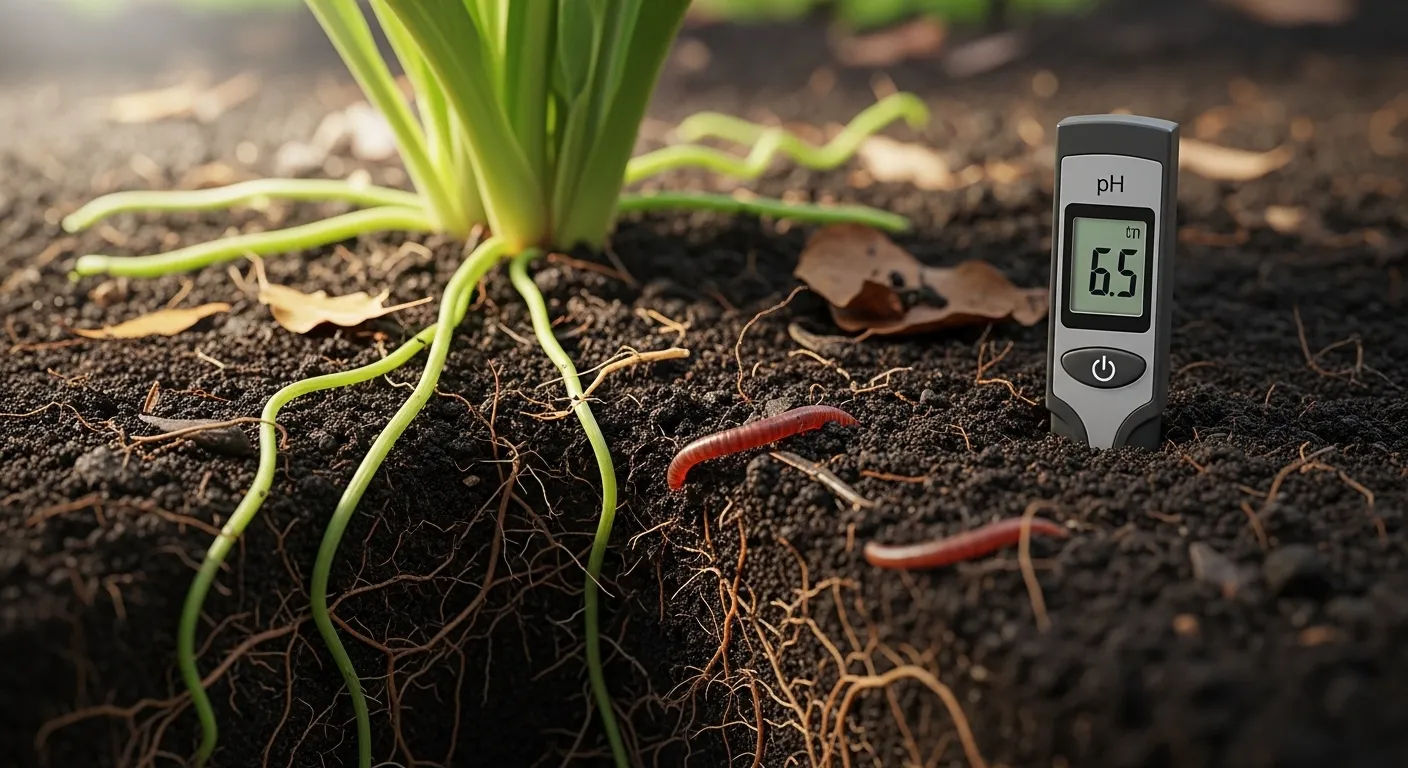
Okay, science time—but don't worry, we'll keep it simple. Soil pH is basically a measure of how acidic or alkaline your dirt is, on a scale from 0 to 14. Seven is neutral (think pure water), below seven is acidic (like lemon juice or vinegar), and above seven is alkaline (like baking soda or soap). Most plants have a sweet spot where they thrive—blueberries love it around 4.5-5.5, while tomatoes prefer 6.2-6.8. When your soil's pH is off, plants can't absorb nutrients properly, even if you're feeding them like they're training for the plant Olympics. That's why lowering soil ph with sulfur isn't just some gardening nerd hobby—it's literally the difference between a thriving garden and a botanical crime scene. Your plants are basically sending you text messages through their leaves, and pH imbalance is their way of saying "hey, I'm starving over here!"
How Long Does It Actually Take Sulfur to Work Its Magic on Soil pH?
Alright, let's cut to the chase—nobody wants to wait forever to see results. When it comes to lowering soil ph with sulfur, patience isn't just a virtue; it's a requirement. Elemental sulfur needs time to break down and react with soil bacteria before it starts changing that pH. We're talking anywhere from 3 to 6 months for noticeable results, depending on your soil type, temperature, and moisture levels. Sandy soils? They'll respond faster—maybe 2-3 months. Heavy clay soils? You might be waiting 6-12 months for the full effect. The key is to test your soil first, apply the sulfur in fall or early spring, and then just let nature do its thing. Don't make the rookie mistake of reapplying sulfur every month because you're impatient—that's how you end up with soil that's too acidic and a whole new set of problems. Remember, lowering soil ph with sulfur is a marathon, not a sprint.
What's the Fastest Way to Lower Soil pH If You're in a Hurry?
Let's say you've got a gardening emergency—maybe you just planted a bunch of acid-loving plants in alkaline soil and they're already looking miserable. Is there a quick fix for lowering soil ph with sulfur? Well, sort of. While elemental sulfur is the gold standard for long-term pH adjustment, aluminum sulfate works much faster—sometimes showing results in just a few weeks. The catch? It's more expensive and can build up toxic levels of aluminum in your soil if you overdo it. Iron sulfate is another option that works faster than elemental sulfur but slower than aluminum sulfate. Here's a quick comparison to help you decide:
| Material | Time to Work | Cost (per pound) | Best For |
|---|---|---|---|
| Elemental Sulfur | 3-12 months | $0.50-1.50 USD | Long-term pH adjustment |
| Aluminum Sulfate | 2-4 weeks | $2.00-4.00 USD | Emergency pH correction |
| Iron Sulfate | 1-3 months | $1.50-3.00 USD | Balanced approach |
| Sphagnum Peat Moss | Immediate (temporary) | $3.00-6.00 USD per cubic foot | Container gardening |
The bottom line? If you're not in a rush, stick with elemental sulfur for lowering soil ph with sulfur—it's cheaper, safer, and gives you lasting results.
How Do You Actually Apply Sulfur to Your Soil Without Messing Everything Up?
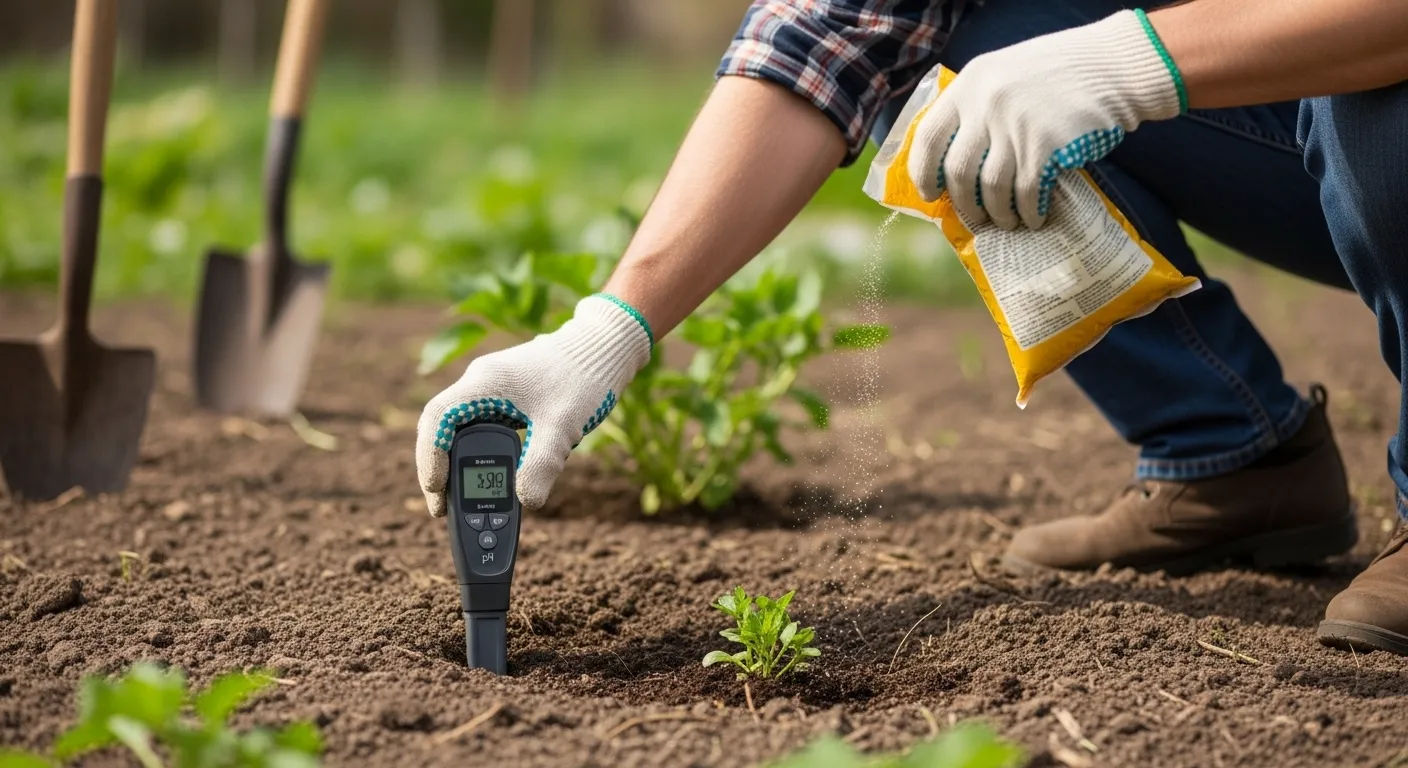
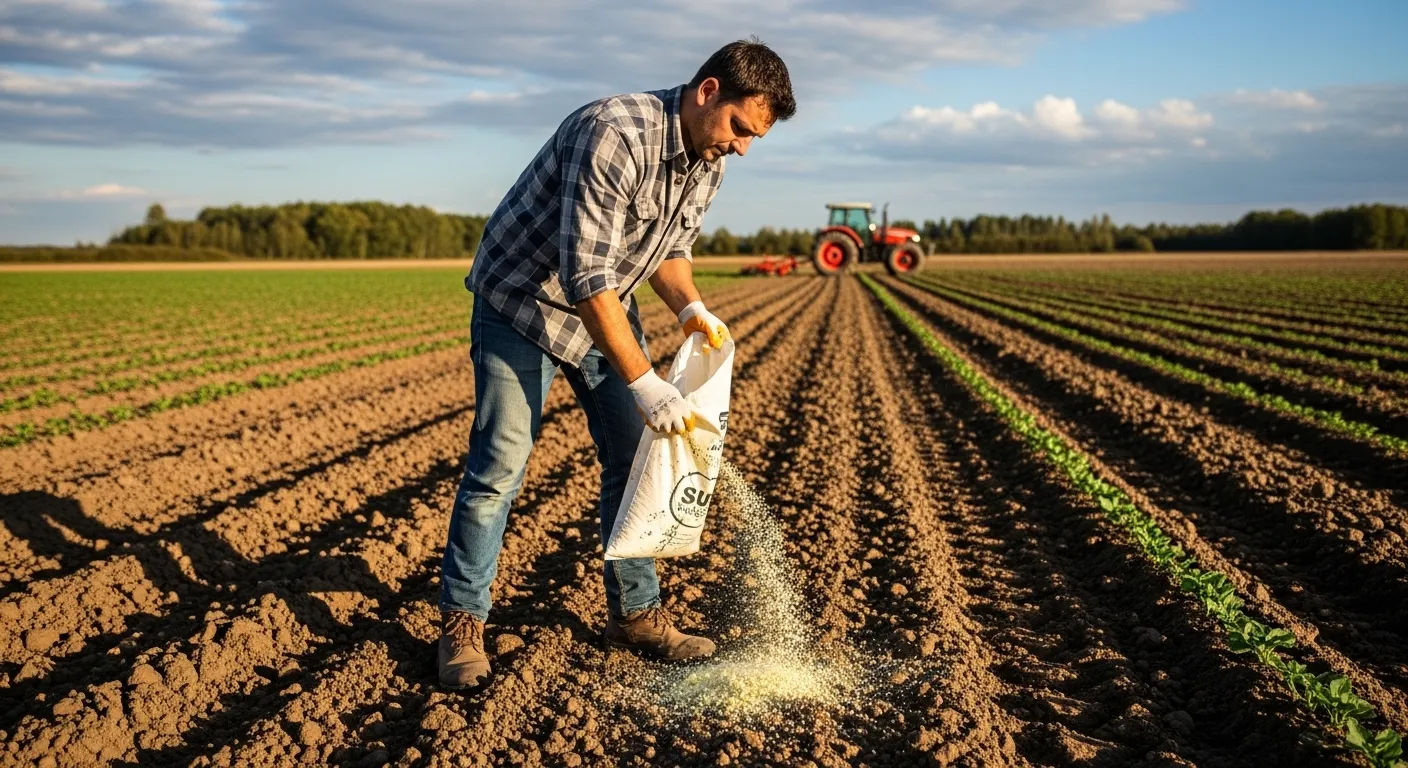
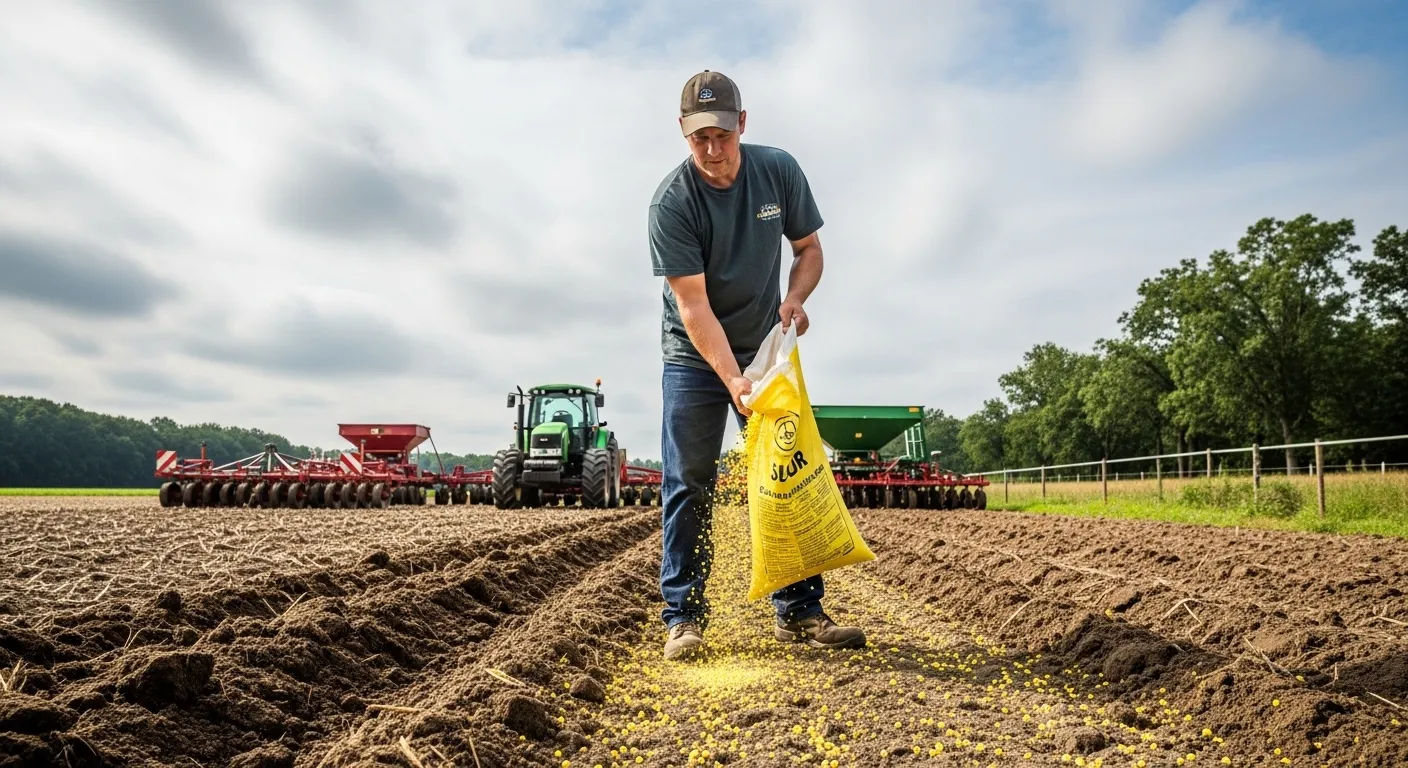
Here's where most gardeners trip up—they go all Rambo on their soil and dump sulfur everywhere like they're seasoning a Thanksgiving turkey. Bad idea, folks. The right way to start lowering soil ph with sulfur begins with a soil test. You can get a cheap test kit from Home Depot or send a sample to your local extension office. Once you know your current pH and your target pH, you can calculate exactly how much sulfur you need. As a general rule, it takes about 1 pound of elemental sulfur per 100 square feet to lower pH by one full point in loamy soil. Sandy soils need less (about 0.6 pounds), while clay soils need more (about 1.5 pounds). Spread the sulfur evenly over your soil surface, then work it into the top 6-8 inches with a garden fork or tiller. Water thoroughly afterward to help it start breaking down. And whatever you do, don't apply sulfur and fertilizer at the same time—wait at least two weeks between applications to avoid chemical reactions that could harm your plants.
What's the Best Time of Year to Apply Sulfur for Maximum Effectiveness?
Timing is everything when it comes to lowering soil ph with sulfur, and fall is basically the MVP season for application. Why? Because sulfur needs time to break down and react with soil bacteria, and fall gives it those cool, moist months to work its magic before spring planting season. Plus, winter rains help distribute the sulfur deeper into the soil profile. Early spring is your second-best option, but you'll need to be more patient since the soil is cooler and bacterial activity is slower. Avoid applying sulfur in summer when soil temperatures are high and moisture is low—that's when sulfur can volatilize (turn into gas) and literally disappear into thin air. And whatever you do, don't apply sulfur when your soil is frozen solid in winter. The bacteria that convert sulfur to sulfuric acid are basically hibernating at that point, so you're just wasting your time and money. Remember, successful lowering soil ph with sulfur is all about working with nature, not against it.
Can You Overdo It with Sulfur and Make Your Soil Too Acidic?
Oh, you betcha you can—and it happens more often than you'd think. Gardeners get all excited about lowering soil ph with sulfur and go overboard, thinking "if a little is good, a lot must be better." Wrong. Way wrong. When soil becomes too acidic (below pH 4.5 for most plants), essential nutrients like calcium, magnesium, and phosphorus become unavailable, while toxic elements like aluminum and manganese can reach harmful levels. Your plants will show signs of nutrient deficiencies—yellowing leaves, stunted growth, poor flowering—even though you're feeding them regularly. The fix? Lime. Yes, the same stuff you use to raise pH. It's like gardening whiplash, but it works. The key is to test your soil before and after applying sulfur, and never apply more than the recommended amount. Start with half the recommended dose, wait 3-4 months, retest, and then apply more if needed. Slow and steady wins the race when it comes to lowering soil ph with sulfur.
Are There Any Plants That Absolutely Love Sulfur-Treated Soil?
You bet there are—and these are the plants that will make all your lowering soil ph with sulfur efforts totally worth it. Blueberries are the poster children for acid-loving plants, thriving in soil with pH between 4.5 and 5.5. Without proper acidity, they'll struggle to absorb iron and magnesium, resulting in those sad yellow leaves we mentioned earlier. Azaleas and rhododendrons are right there with them, producing spectacular blooms only when the soil pH is in that sweet acidic range. Then there's hydrangeas—fun fact: the color of hydrangea flowers is directly influenced by soil pH! Acidic soil (below 5.5) produces blue flowers, while alkaline soil creates pink blooms. Other acid-lovers include camellias, gardenias, heathers, and even potatoes (which prefer slightly acidic soil around 5.0-6.0). When you nail the lowering soil ph with sulfur process for these plants, you'll be rewarded with vibrant colors, abundant blooms, and fruits that taste like they came from a fancy farmers market.
What Safety Precautions Should You Take When Handling Sulfur?
Alright, let's talk safety for a hot second—because while elemental sulfur is generally safe, it's not exactly harmless either. When you're lowering soil ph with sulfur, you're working with a fine powder that can irritate your lungs, eyes, and skin if you're not careful. Always wear a dust mask when applying sulfur, especially on windy days. Safety goggles are a good idea too—nobody wants sulfur dust in their eyes. And gloves? Non-negotiable. Sulfur can dry out your skin and cause irritation, especially if you have sensitive skin or existing conditions like eczema. Work in a well-ventilated area, and avoid applying sulfur on windy days when the powder can blow back into your face. If you're using a spreader or applying by hand, do it slowly and deliberately to minimize dust. And whatever you do, keep sulfur away from children and pets—while it's not highly toxic, ingestion can cause stomach upset and other unpleasant symptoms. Remember, safe gardening is smart gardening, especially when lowering soil ph with sulfur.
Where Can You Find More Expert Gardening Tips and Soil Management Resources?
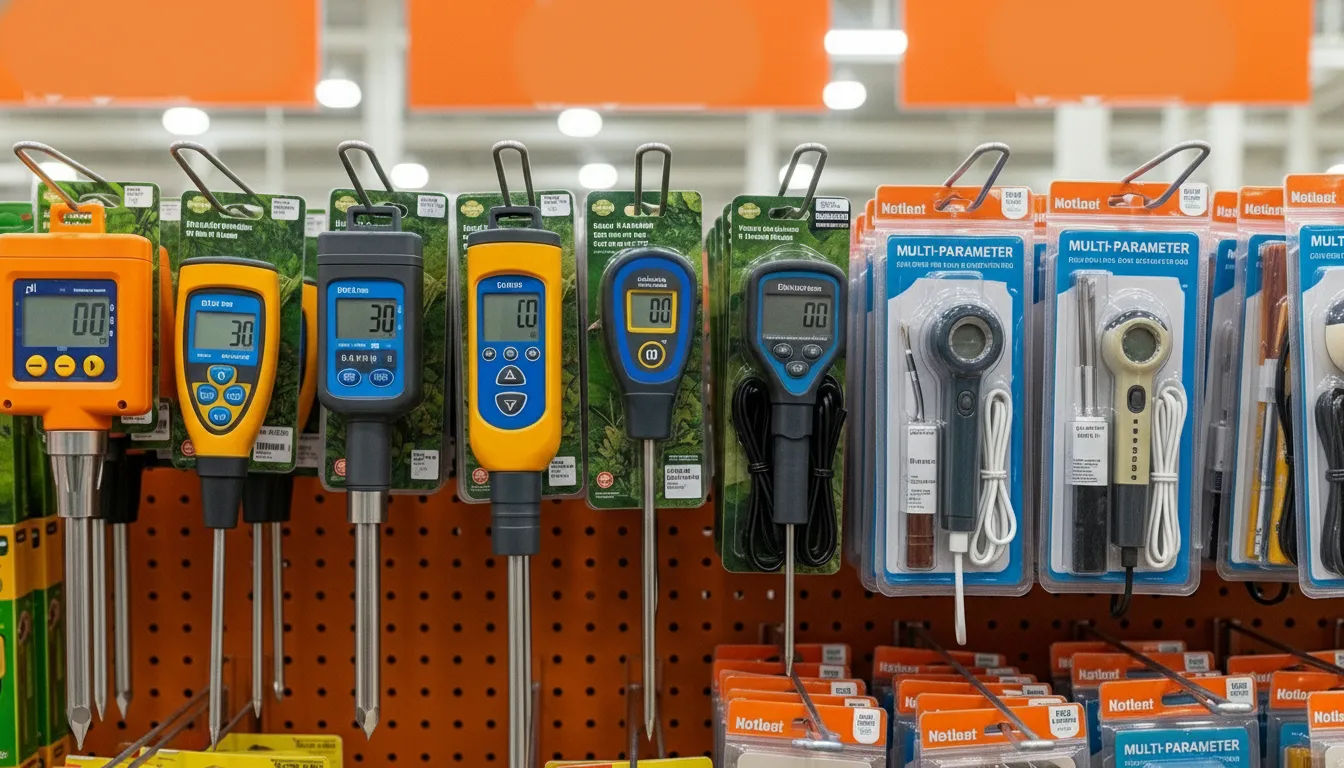
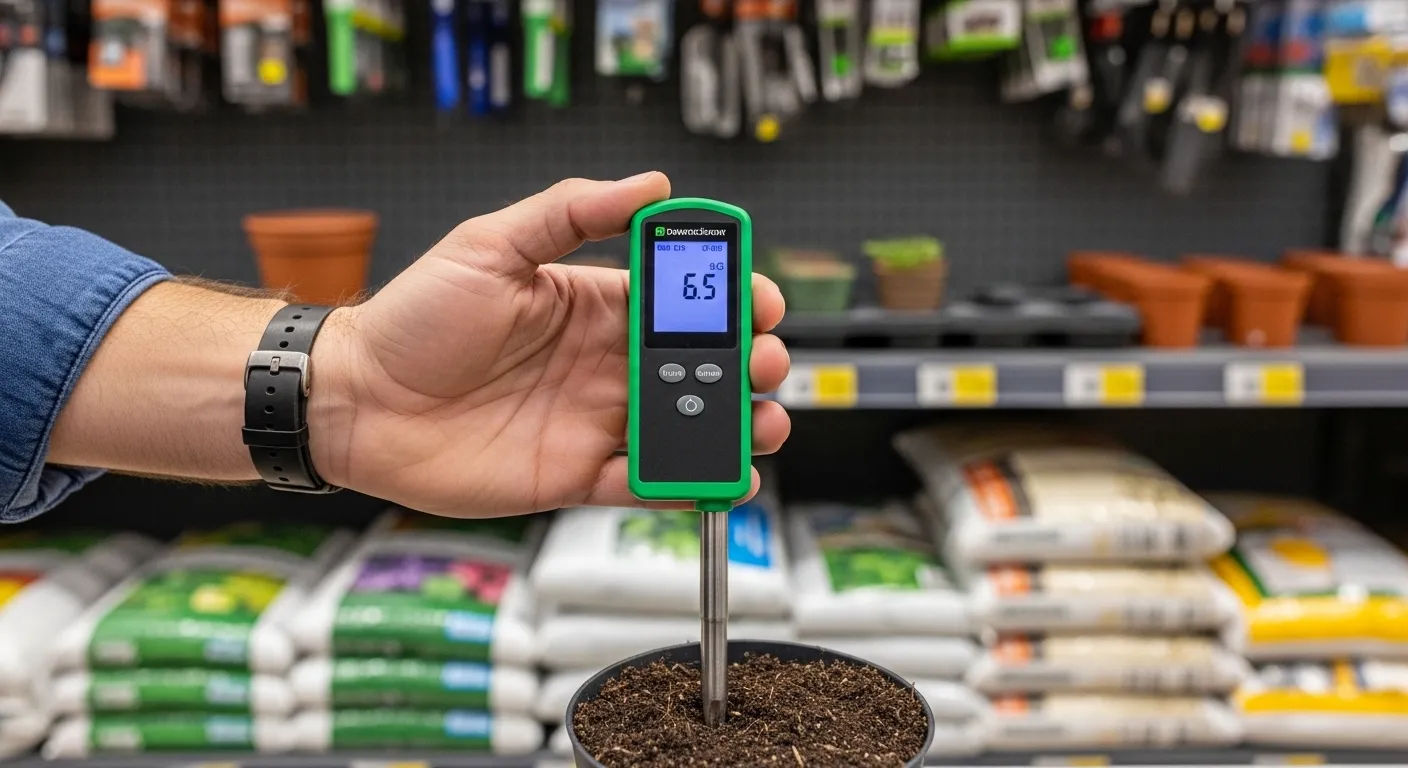
If you're hungry for more knowledge about soil management and growing the garden of your dreams, we've got your back at Potaday. We break down complex gardening topics into plain English so you can spend less time Googling and more time getting your hands dirty. Dive deeper into growing wisdom with our comprehensive Growing section, where we cover everything from soil science to plant care. And if you're ready to test your soil like a pro, don't miss our detailed guide: Soil Tester Home Depot Store Finds. Because whether you're a seasoned green thumb or just starting your gardening journey, having the right tools and knowledge makes all the difference between a thriving garden and a disappointing harvest.
Frequently Asked Questions
How long does it take sulfur to lower soil pH?
Sulfur typically takes 3 to 6 months to significantly lower soil pH, though this can vary based on soil type and conditions. Sandy soils may respond in 2-3 months, while heavy clay soils can take 6-12 months for full effect. The process requires bacterial activity to convert elemental sulfur into sulfuric acid, so patience is essential when lowering soil ph with sulfur. Regular soil testing every 3-4 months will help you track progress and determine if additional applications are needed.
What is the fastest way to lower the pH of soil?
The fastest way to lower soil pH is using aluminum sulfate, which can show results in 2-4 weeks compared to elemental sulfur's 3-12 month timeline. However, aluminum sulfate is more expensive ($2-4 USD per pound) and can build up toxic aluminum levels if overapplied. For a balanced approach, iron sulfate works in 1-3 months and is safer than aluminum sulfate. While these options provide quicker results than lowering soil ph with sulfur using elemental sulfur, they're best reserved for emergency situations rather than long-term soil management.
How to use Sulphur to lower soil pH?
To use sulfur for lowering soil ph with sulfur, first test your soil to determine current pH and target levels. Apply 1 pound of elemental sulfur per 100 square feet to lower pH by one point in loamy soil (adjust for sandy or clay soils). Spread evenly over the soil surface, then work into the top 6-8 inches with a garden fork or tiller. Water thoroughly to activate the sulfur. Wait at least two weeks before applying fertilizer, and retest soil pH after 3-4 months to determine if additional applications are needed. Always wear protective gear including dust mask, gloves, and safety goggles when handling sulfur powder.
What is the best time to apply sulfur?
Fall is the best time for lowering soil ph with sulfur because it gives the sulfur 6-8 months to break down and react with soil bacteria before spring planting. Early spring is the second-best option, though results may take longer due to cooler soil temperatures. Avoid summer applications when high temperatures and low moisture can cause sulfur to volatilize, and never apply sulfur to frozen soil in winter when bacterial activity is minimal. For optimal results when lowering soil ph with sulfur, apply during cool, moist conditions when soil bacteria are most active.
References
- https://extension.umn.edu/planting-and-growing-guides/soil-ph
- https://www.rhs.org.uk/soil-composts-mulches/understanding-soil-ph
- https://extension.psu.edu/soil-ph-and-plants
- https://www.gardeningknowhow.com/garden-how-to/soil-fertilizers/lower-acid-soil.htm