Mounding Potato Plants Healthy Harvest

- 1.
Do Mounding Potatoes Really Work? Let's Dig Into the Dirt on This Gardening Hack
- 2.
When Should I Stop Mounding Potatoes? The Golden Rule of Potato Parenting
- 3.
How Many Times Can You Mound Potatoes? Breaking Down the Mounding Schedule
- 4.
Is Hilling Potatoes Better Than Not Hilling? The Great Potato Debate Settled
- 5.
The Perfect Mounding Technique: Step-by-Step Guide to Happy Potato Plants
- 6.
Common Mounding Mistakes That'll Make Your Potatoes Cry (Literally)
- 7.
Alternative Mounding Methods: Straw, Mulch, and Other Creative Approaches
- 8.
Timing Is Everything: The Best Time of Day to Mound Your Potatoes
- 9.
Troubleshooting Mounding Issues: What to Do When Things Go Wrong
- 10.
Maximizing Your Harvest: Advanced Tips for Mounding Potato Plants Like a Pro
Table of Contents
mounding potato plants
Do Mounding Potatoes Really Work? Let's Dig Into the Dirt on This Gardening Hack
Ever found yourself staring at your potato plants thinking, "Wait, am I supposed to bury these things deeper or what?" Well, buckle up, buttercup, because we're about to spill the tea on whether mounding potato plants is actually worth your time and effort. Spoiler alert: it's not just some old wives' tale your grandpa told you—it's legit science! When you practice mounding potato plants, you're basically giving your spuds a cozy blanket that encourages them to produce more tubers. Think of it like tucking your kids into bed, except instead of bedtime stories, you're telling them to make more potatoes. The whole concept of mounding potato plants revolves around creating that perfect environment for tuber formation while protecting them from sunlight (which can turn them green and toxic—yikes!).
When Should I Stop Mounding Potatoes? The Golden Rule of Potato Parenting
Alright, let's get real for a minute—when do you actually stop mounding potato plants? Here's the deal: you wanna keep mounding until your plants reach about 12 to 18 inches tall, or until you've used up all your available soil. Most gardeners recommend doing your final mound when the plants are knee-high, which usually happens around 6 to 8 weeks after planting. After that, it's basically hands-off mode unless you notice some sneaky tubers peeking through the soil. The key to successful mounding potato plants is knowing when to say when—too much mounding can actually suffocate your plants and reduce yields. So yeah, listen to your spuds; they'll tell you when they've had enough of that soil blanket treatment.
How Many Times Can You Mound Potatoes? Breaking Down the Mounding Schedule
Now here's a question we get all the time: how many times can you actually mound those mounding potato plants before you go overboard? The sweet spot is usually 2 to 3 times throughout the growing season. Your first mound should happen when plants are about 6 inches tall, the second around 12 inches, and maybe a third if you're feeling ambitious and have extra soil lying around. But seriously, don't go crazy with the mounding potato plants—each time you mound, you're redirecting the plant's energy from growing upward to producing more tubers underground. Too much mounding equals stressed plants equals sad potatoes. And nobody wants sad potatoes, amirite?
Is Hilling Potatoes Better Than Not Hilling? The Great Potato Debate Settled
Let's settle this once and for all: is hilling (or mounding potato plants) actually better than just letting them do their own thing? Short answer: absolutely, 100%, no question about it. Here's why: when you don't hill your potatoes, you're basically rolling the dice on sun exposure, which can lead to green, bitter, and potentially toxic tubers. Plus, hilled potatoes tend to produce 20-30% more yield than their non-hilled counterparts. That's like getting a free potato party at harvest time! The science behind mounding potato plants is pretty straightforward—by covering the lower stems, you're creating more opportunities for tuber formation while protecting what's already growing. It's basically potato parenting 101, folks.
The Perfect Mounding Technique: Step-by-Step Guide to Happy Potato Plants
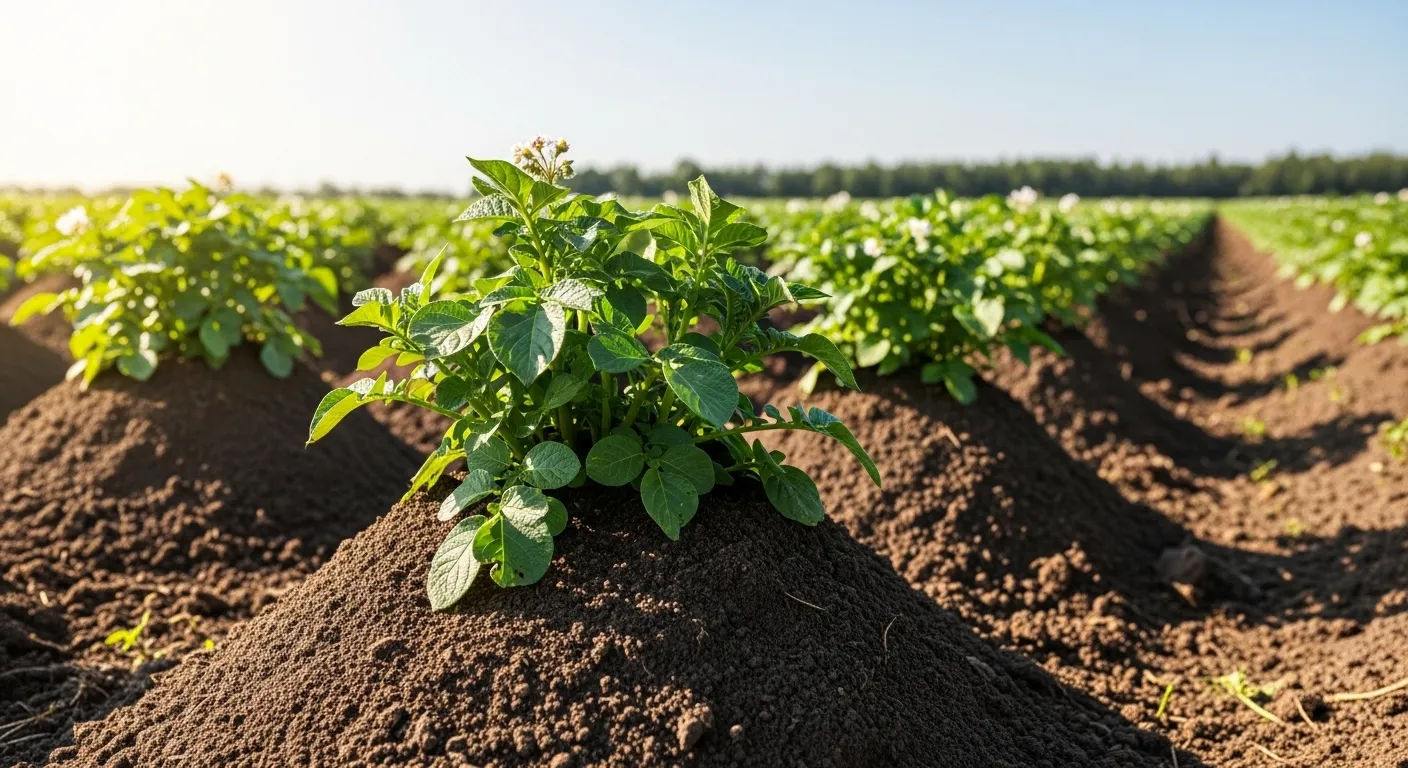
Ready to become a mounding potato plants pro? Here's your foolproof guide: First, wait until your plants are about 6 inches tall. Then, gently scoop soil from between rows and mound it around the base of each plant, leaving about 3-4 inches of foliage exposed. Repeat this process every 2-3 weeks as your plants grow. Pro tip: use a hoe or your hands (if you're feeling fancy), and make sure your mounds are nice and firm but not compacted. The beauty of mounding potato plants is that it's equal parts art and science—you want to create that perfect soil blanket without crushing your precious spuds. And remember, consistency is key when it comes to mounding potato plants!
Common Mounding Mistakes That'll Make Your Potatoes Cry (Literally)
Alright, let's talk about the rookie mistakes that can totally wreck your mounding potato plants game. First up: mounding too early. If you start before your plants are at least 6 inches tall, you're basically suffocating baby potatoes. Second mistake: mounding too late. Wait until your plants are towering over you, and you'll miss the prime tuber-forming window. Third (and probably most common): mounding too aggressively. You're not building a fortress here, people—you're creating a cozy home for your spuds. And finally, the cardinal sin: forgetting to water after mounding. All that fresh soil needs moisture to settle in properly. Avoid these pitfalls, and your mounding potato plants will thank you with a bumper crop come harvest time.
Alternative Mounding Methods: Straw, Mulch, and Other Creative Approaches
Who says you have to use dirt for mounding potato plants? There are some seriously cool alternative methods out there! Straw mounding is super popular—it keeps weeds down, retains moisture, and makes harvest time a breeze (just pull back the straw and there they are!). Wood chip mulch works great too, especially if you're going for that rustic garden aesthetic. Some adventurous gardeners even use shredded leaves or grass clippings. The key with any alternative mounding potato plants method is making sure your chosen material doesn't compact too much and allows for proper air circulation. Oh, and whatever you do, don't use fresh manure—it's too hot and will burn your plants faster than you can say "spud-tacular disaster."
Timing Is Everything: The Best Time of Day to Mound Your Potatoes
Here's a pro tip that most gardening blogs won't tell you: timing matters when it comes to mounding potato plants. The absolute best time to mound is early morning or late afternoon when temperatures are cooler and your plants are less stressed. Mounding during the heat of the day is like giving your potatoes a surprise workout in 90-degree weather—not cool, literally or figuratively. Plus, cooler temperatures mean the soil you're adding will settle in more gently around those delicate roots. When you're committed to proper mounding potato plants technique, even the time of day becomes part of the equation. Trust us, your spuds will notice the difference!
Troubleshooting Mounding Issues: What to Do When Things Go Wrong
So you've been diligently mounding potato plants and suddenly notice something's off? Don't panic! If your plants look wilted after mounding, they probably just need a good drink—water them thoroughly and they should perk right up. Yellowing leaves? Could be over-mounding or poor drainage. Stunted growth? Maybe you got a little too enthusiastic with the soil blanket. The thing about mounding potato plants is that it's a learning process, and every gardener makes mistakes along the way. The important thing is to observe, adjust, and remember that potatoes are pretty resilient little guys. They can handle a bit of trial and error as long as you're paying attention to their needs.
Maximizing Your Harvest: Advanced Tips for Mounding Potato Plants Like a Pro
Ready to take your mounding potato plants game to the next level? Here are some advanced tips from the pros: First, consider using a mix of soil and compost for your mounds—it gives your potatoes that extra nutrient boost they crave. Second, add a sprinkle of bone meal or potato fertilizer between mounding sessions for maximum tuber production. Third, keep a close eye on weather forecasts; you might need to mound earlier if heavy rain is in the forecast to prevent soil erosion. And finally, don't forget to celebrate your successes! There's nothing quite like the satisfaction of harvesting potatoes you've carefully nurtured through proper mounding potato plants technique. For more potato-growing wisdom, check out Potaday. Or dive deeper into our Growing section for seasonal tips. And if you're battling garden pests, don't miss our comprehensive guide on Root Knot Nematode Treatment & Control Methods.
Frequently Asked Questions
Do mounding potatoes really work?
Yes, mounding potato plants absolutely works and is considered essential for successful potato cultivation. The practice increases tuber production by 20-30% compared to non-mounded plants, prevents sun exposure that can cause greening and toxicity, and provides better protection against pests and diseases. When you properly implement mounding potato plants techniques, you're creating optimal conditions for tuber formation while protecting developing potatoes from environmental stressors.
When should I stop mounding potatoes?
You should stop mounding potato plants when they reach approximately 12 to 18 inches in height, which typically occurs around 6 to 8 weeks after planting. This is usually after 2 to 3 mounding sessions. Continuing to mound beyond this point can stress the plants and potentially reduce yields. The final mound should leave about 4-6 inches of foliage exposed while ensuring all lower stems and any visible tubers are covered with soil to prevent sun exposure.
How many times can you mound potatoes?
You can typically mound mounding potato plants 2 to 3 times throughout the growing season. The first mounding should occur when plants are about 6 inches tall, the second around 12 inches, and potentially a third if plants continue vigorous growth and you have sufficient soil available. Each mounding session should add 3-4 inches of soil around the base while leaving adequate foliage exposed. Excessive mounding beyond 3 times can stress plants and reduce overall yields.
Is hilling potatoes better than not hilling?
Yes, hilling (or mounding potato plants) is significantly better than not hilling. Hilling increases potato yields by 20-30%, prevents tuber greening from sun exposure (which can make them toxic), provides better protection against soil-borne pests and diseases, and improves overall tuber quality. Non-hilled potatoes are more susceptible to environmental damage, produce fewer tubers, and often result in smaller, irregularly shaped potatoes. The practice of mounding potato plants is considered fundamental to successful potato cultivation worldwide.
References
- https://www.extension.umn.edu/garden/yard-garden/vegetables/potatoes/
- https://www.rhs.org.uk/vegetables/potatoes/growing
- https://extension.oregonstate.edu/gardening/techniques/potato-hilling-why-how
- https://www.almanac.com/plant/potatoes