Okinawa Sweet Potato Seeds Rare Finds
- 1.
Okinawa Sweet Potato Seeds: Your Ticket to Purple-Gold Garden Magic
- 2.
Can You Actually Grow Okinawan Sweet Potatoes in the U.S.? Spoiler: Yes!
- 3.
Okinawan vs. Japanese Sweet Potatoes: Same Family, Different Flavors
- 4.
What Do They Eat in Okinawa? The Secret Behind the Longevity Diet
- 5.
The Name Game: What’s It Really Called?
- 6.
From Slip to Spud: How to Start Your Own Okinawan Sweet Potato Patch
- 7.
Soil, Sun, and Sweat: The Holy Trinity of Okinawan Sweet Potato Success
- 8.
Harvest Time: When to Dig Up Your Purple Treasure
- 9.
Cooking with Beni Imo: More Than Just a Pretty Hue
- 10.
Where to Buy Authentic Okinawa Sweet Potato Seeds (Slips!) Online
Table of Contents
okinawa sweet potato seeds
Okinawa Sweet Potato Seeds: Your Ticket to Purple-Gold Garden Magic
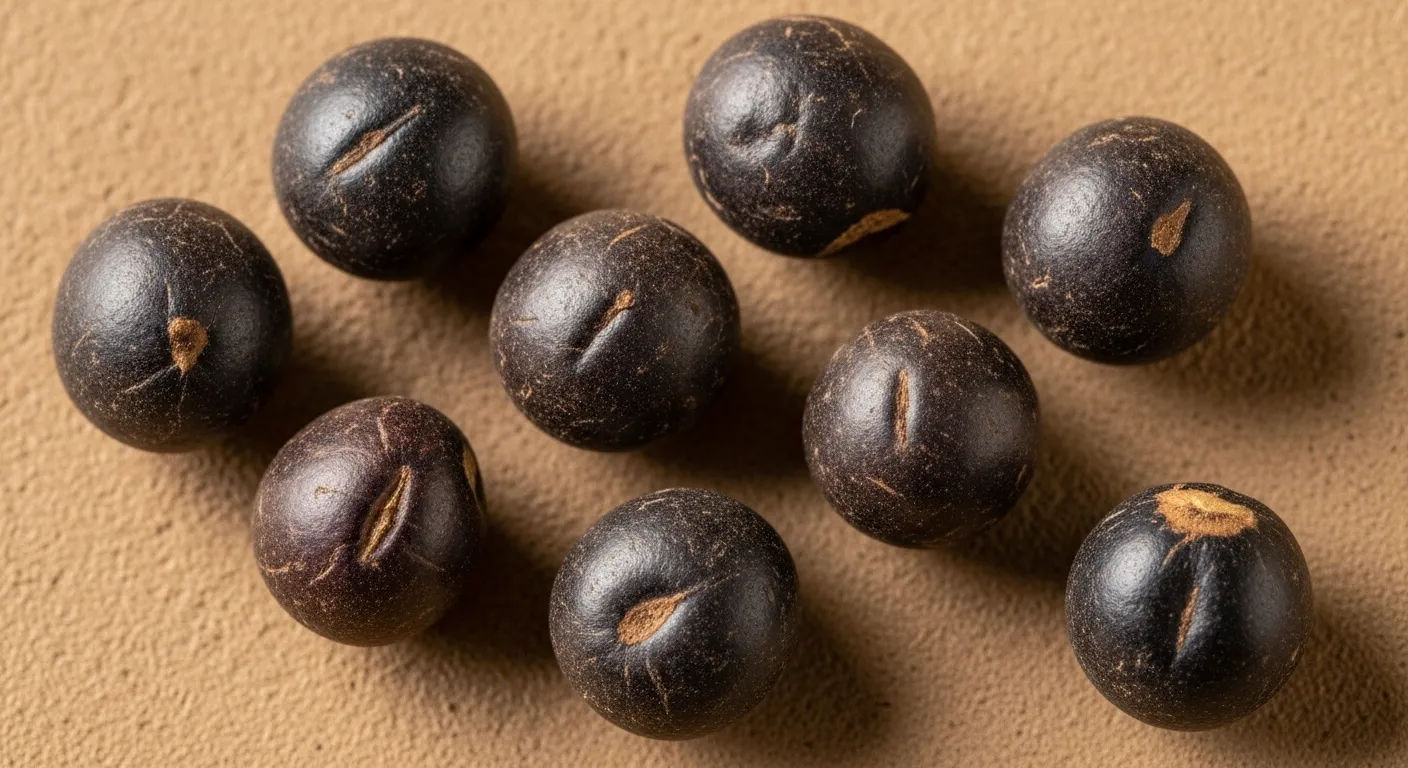
Ever looked at your backyard and thought, “Man, this patch of dirt could really use some purple royalty”? Well, buckle up, buttercup—because okinawa sweet potato seeds (well, technically slips—but we’ll get to that in a sec) are about to turn your garden into a tropical dream. These ain’t your grandma’s orange spuds; we’re talking deep violet flesh, nutty-sweet flavor, and a nutritional punch that’d make a kale smoothie blush. Grown for centuries in the sun-drenched islands of Okinawa—home of centenarians who swear by ‘em—these tubers are as much superfood as they are soul food. And yeah, you can grow ‘em in your own plot, even if you’re not blessed with Pacific breezes. All it takes is a little patience, a lot of sunshine, and the right okinawa sweet potato seeds to kick things off.
Can You Actually Grow Okinawan Sweet Potatoes in the U.S.? Spoiler: Yes!
“But I don’t live in Japan!” you cry, clutching your Zone 6 gardening gloves like a lifeline. Chill, friend. While okinawa sweet potato seeds hail from subtropical climes, they’re surprisingly adaptable—if you give ‘em what they crave: heat, loose soil, and zero frost. These beauties need a long growing season (100–140 days), so if you’re in Zones 8–11, you’re golden. But even us Northerners can play ball: start your slips indoors 6–8 weeks before last frost, then transplant once temps hit a steady 70°F (21°C). Pro tip? Use black plastic mulch to warm the soil—it’s like giving your spuds a spa day. With the right care, you’ll be digging up jewel-toned tubers that taste like caramelized earth and look like something outta a Studio Ghibli film. And no, that’s not an exaggeration—we’ve seen ‘em.
Okinawan vs. Japanese Sweet Potatoes: Same Family, Different Flavors
Alright, let’s clear up the confusion once and for all. When folks say “Japanese sweet potato,” they usually mean Satsuma-imo—a variety with red-purple skin and pale yellow flesh that’s dry, chestnutty, and perfect for roasting. But the okinawa sweet potato seeds we’re obsessed with produce tubers known as beni imo—vibrant purple inside and out, with a moister, sweeter, almost floral profile. Think of it like this: Satsuma-imo is your quiet, bookish cousin; beni imo is the one showing up to Thanksgiving in a sequin jacket, ready to dance. Both are delicious, but only one turns your mashed potatoes into a psychedelic masterpiece. So no, they’re not the same—but they’re both worth growing if you’ve got the space.
What Do They Eat in Okinawa? The Secret Behind the Longevity Diet
In Okinawa—the famed “Blue Zone” where folks routinely hit 100 without breaking a sweat—sweet potatoes aren’t just food; they’re folklore. Locals eat beni imo daily, baked, steamed, or even fermented into shochu. It’s packed with anthocyanins (those purple pigments = antioxidants galore), fiber, vitamin A, and complex carbs that keep blood sugar steady. Studies suggest this humble tuber plays a big role in the islanders’ legendary healthspan. So when you plant okinawa sweet potato seeds, you’re not just growing dinner—you’re cultivating a piece of longevity wisdom. And honestly? That’s kinda magical.
The Name Game: What’s It Really Called?
Let’s get linguistically precise. In Okinawa, it’s called beni imo (紅芋)—literally “red potato,” though it’s more violet than crimson. In English, it’s often labeled “Okinawan sweet potato,” “purple sweet potato,” or “Hawaiian sweet potato” (thanks to its popularity in the islands). But here’s the kicker: despite the name, it’s not a true potato—it’s a morning glory relative, Ipomoea batatas. So when you buy okinawa sweet potato seeds, you’re actually getting vine cuttings called “slips,” not seeds in the traditional sense. Don’t let that trip you up; it’s just how these tubers roll. Or rather, vine.
From Slip to Spud: How to Start Your Own Okinawan Sweet Potato Patch
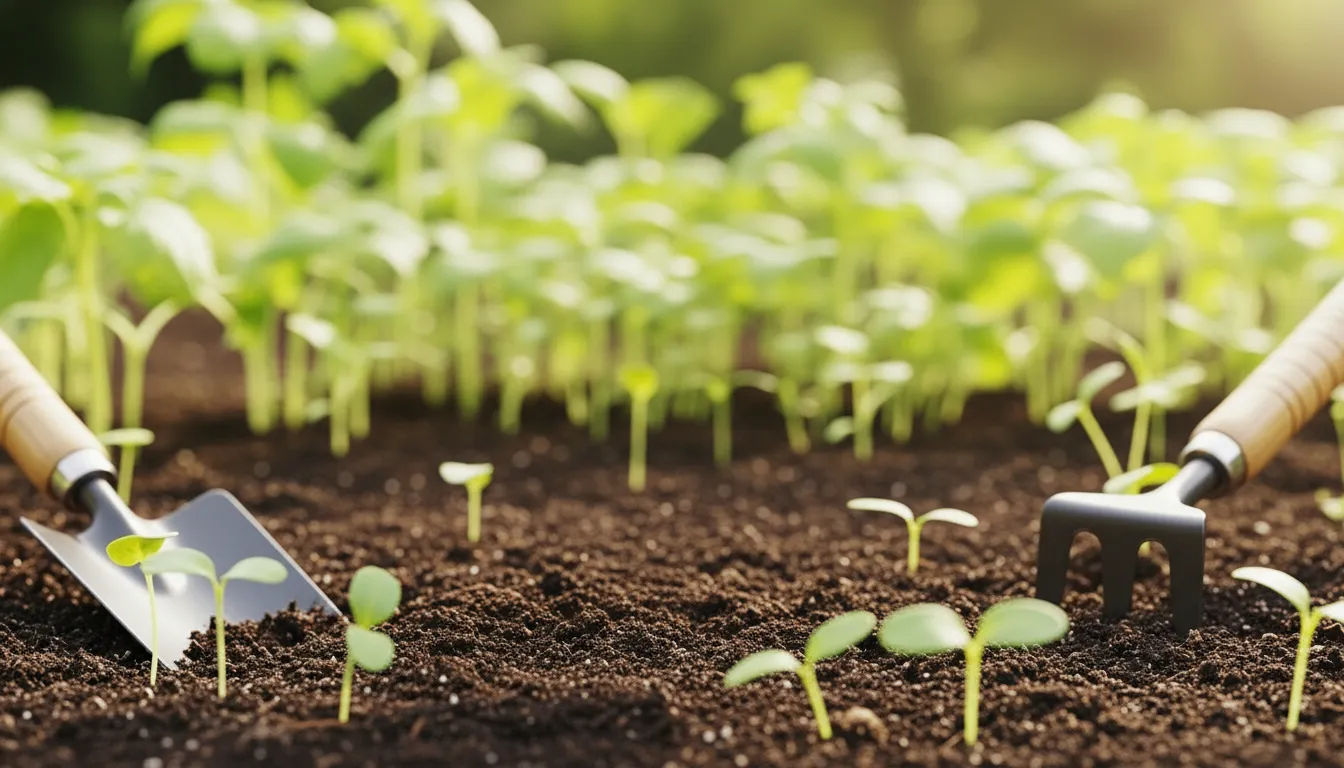
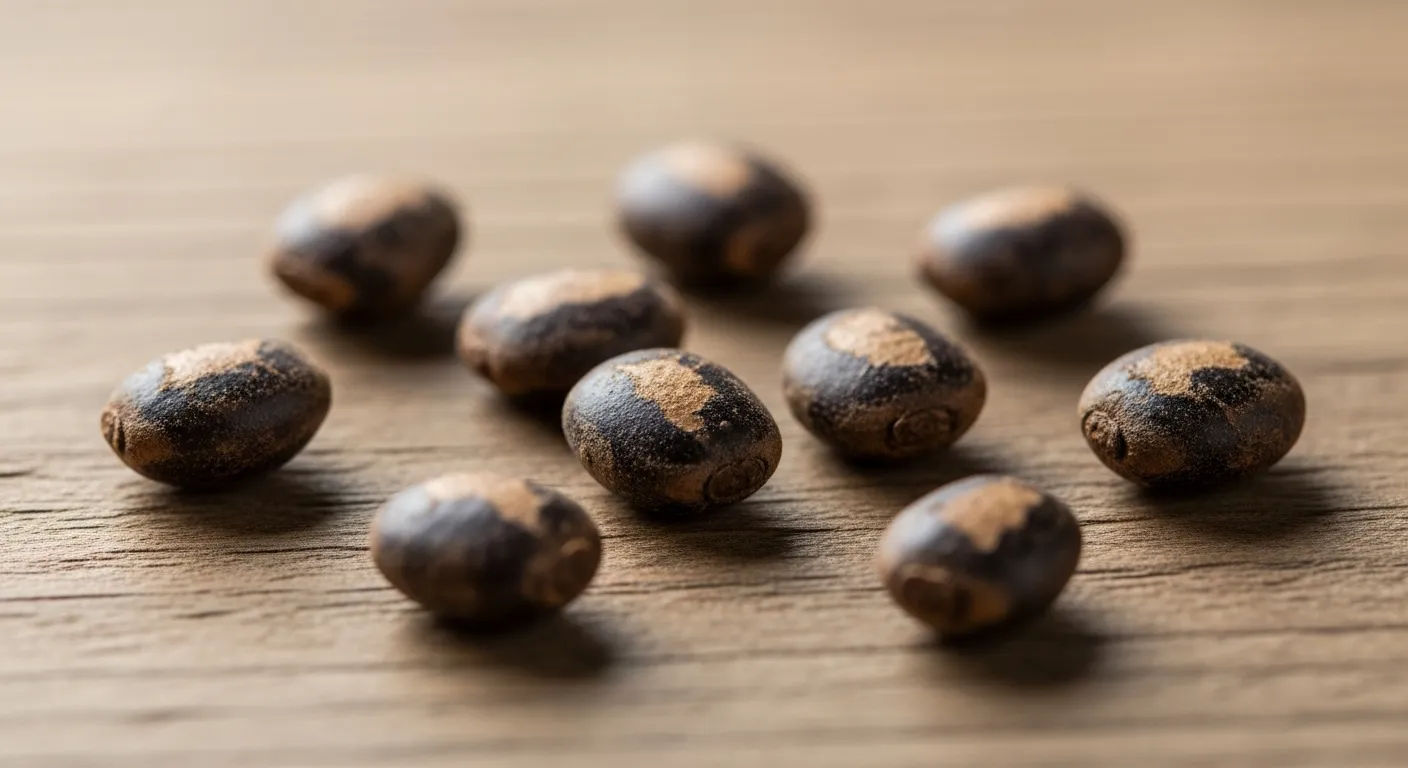
Forget seed packets—okinawa sweet potato seeds come as live slips: leafy sprouts grown from mature tubers. You can order them online (look for disease-free, certified organic sources) or sprout your own from a grocery-store beni imo (though store-bought ones are often treated to prevent sprouting—so buyer beware). To start your own: suspend a tuber in water using toothpicks, wait 4–6 weeks for slips to form, then twist ‘em off and root in water until white roots appear. Plant those in warm, well-drained soil, 12–18 inches apart, and watch ‘em vine like crazy. Just remember—they’re vigorous growers, so give ‘em room to roam, or they’ll take over your zucchini patch like botanical squatters.
Soil, Sun, and Sweat: The Holy Trinity of Okinawan Sweet Potato Success
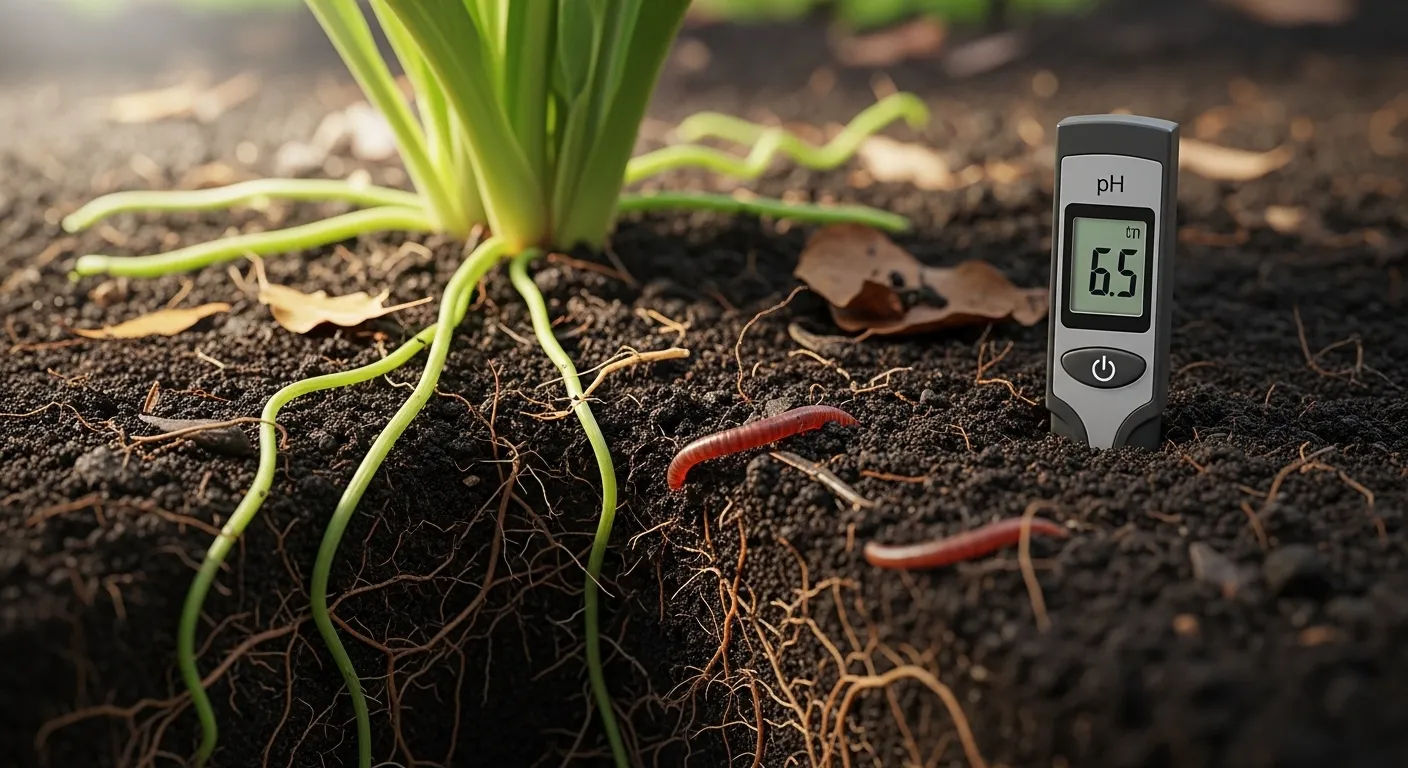
These tubers thrive in sandy, loamy soil with a pH between 5.8 and 6.2—nothing too rich, or you’ll get leaves galore and spuds nada. Full sun is non-negotiable; think 8+ hours of direct rays. Water deeply but infrequently once established (overwatering = rot city). And for the love of all that’s starchy, don’t fertilize heavily—especially with nitrogen. You want tubers, not a jungle gym. With the right conditions, your okinawa sweet potato seeds will reward you with 3–5 lbs per plant. Not bad for something that looks like it belongs in a unicorn’s pantry.
Harvest Time: When to Dig Up Your Purple Treasure
Patience, grasshopper. Wait until the vines start yellowing (usually 100–140 days after planting) or just before first frost. Gently dig around the base with a fork—no yanking!—and unearth your prize. Cure them for 7–10 days in a warm, humid spot (85°F/29°C, 85% humidity) to heal nicks and boost sweetness. Then store in a cool, dark place (55–60°F / 13–16°C)—not the fridge! Cold temps ruin their texture. Properly cured, your okinawa sweet potato seeds’ offspring can last 6 months or more. That’s half a year of purple pie, fries, and mash on tap.
Cooking with Beni Imo: More Than Just a Pretty Hue
Don’t just boil ‘em and call it a day. Roast slices with coconut oil and sea salt for crispy chips. Blend cooked tubers into smoothies for a nutrient boost that doesn’t taste like punishment. Bake into muffins, swirl into cheesecake, or ferment into a vibrant purple poi. The flavor? Earthy, subtly sweet, with hints of vanilla and chestnut. And that color? It’ll make your Instagram followers do a double-tap mid-scroll. Every dish made from your homegrown okinawa sweet potato seeds isn’t just food—it’s edible art.
Where to Buy Authentic Okinawa Sweet Potato Seeds (Slips!) Online
Not all “Okinawan” slips are created equal. Some sellers mislabel regular purple varieties as beni imo. For the real deal, look for vendors who specify Okinawan, beni imo, or Hawaiian purple origin. Reputable sources include specialty seed companies that work directly with Hawaiian or Okinawan farms. Prices range from $3–$6 USD per slip, with bulk discounts for serious growers. Once you’ve got your hands on legit okinawa sweet potato seeds, you’re not just planting a crop—you’re preserving a cultural heirloom. Ready to start your journey? Visit Pota Day, explore our Growing guides, or check out our companion piece on Japanese Sweet Potato Seeds Garden Essentials.
Frequently Asked Questions
Can I grow Okinawan sweet potatoes?
Yes! You can grow Okinawan sweet potatoes if you provide a long, warm growing season (100–140 days), full sun, and well-drained soil. Start with authentic okinawa sweet potato seeds (slips) indoors in cooler zones, then transplant after the last frost. They thrive in USDA Zones 8–11 but can be grown elsewhere with season extension techniques.
Are Okinawan sweet potatoes the same as Japanese sweet potatoes?
No. While both are types of Japanese sweet potatoes, Okinawan sweet potatoes (beni imo) have deep purple flesh and a sweeter, moister texture, whereas traditional Japanese sweet potatoes (Satsuma-imo) have pale yellow flesh and a drier, chestnut-like flavor. They come from different cultivars, and only okinawa sweet potato seeds produce the iconic purple tubers.
What kind of sweet potatoes do they eat in Okinawa?
In Okinawa, locals primarily eat beni imo—a purple-fleshed sweet potato rich in antioxidants and central to the Okinawan longevity diet. This variety is grown from okinawa sweet potato seeds (slips) and is consumed daily in various forms, from steamed snacks to desserts and even alcoholic beverages.
What is the name of the Okinawan sweet potato?
The Okinawan sweet potato is called beni imo (紅芋) in Japanese, which translates to “red potato.” Despite the name, it features vivid purple skin and flesh. It’s a specific cultivar of Ipomoea batatas, and true specimens are grown from authentic okinawa sweet potato seeds or slips sourced from Okinawa or Hawaii.
References
- https://www.nationalgeographic.com/culture/article/blue-zones-okinawa-japan-longevity
- https://extension.uga.edu/publications/detail.html?number=B1297
- https://www.sciencedirect.com/science/article/pii/S0308814615000231
- https://www.rhs.org.uk/vegetables/sweet-potatoes