Sliced Sweet Potato Casserole Layered Goodness
- 1.
What even *is* a “sliced sweet potato casserole,” though?
- 2.
Why go sliced instead of smashed or mashed?
- 3.
Picking your tubers: not all sweet potatoes are built alike (sorry, yams)
- 4.
The holy trinity of flavor: butter, brown sugar, and a pinch of sass
- 5.
Slice it right: thickness, tools, and the art of the uniform cut
- 6.
Layering like a pro: butter-sugar-spice, repeat (no, really—repeat)
- 7.
When (and whether) to add toppings: marshmallows, pecans, or *nothing at all*
- 8.
Make-ahead magic: why your sliced sweet potato casserole improves with time
- 9.
Dietary twists: vegan, low-sugar, and gluten-free sliced sweet potato casserole that *actually* works
- 10.
Where to go next: dive deeper into the world of sweet potato mastery
Table of Contents
sliced sweet potato casserole
What even *is* a “sliced sweet potato casserole,” though?
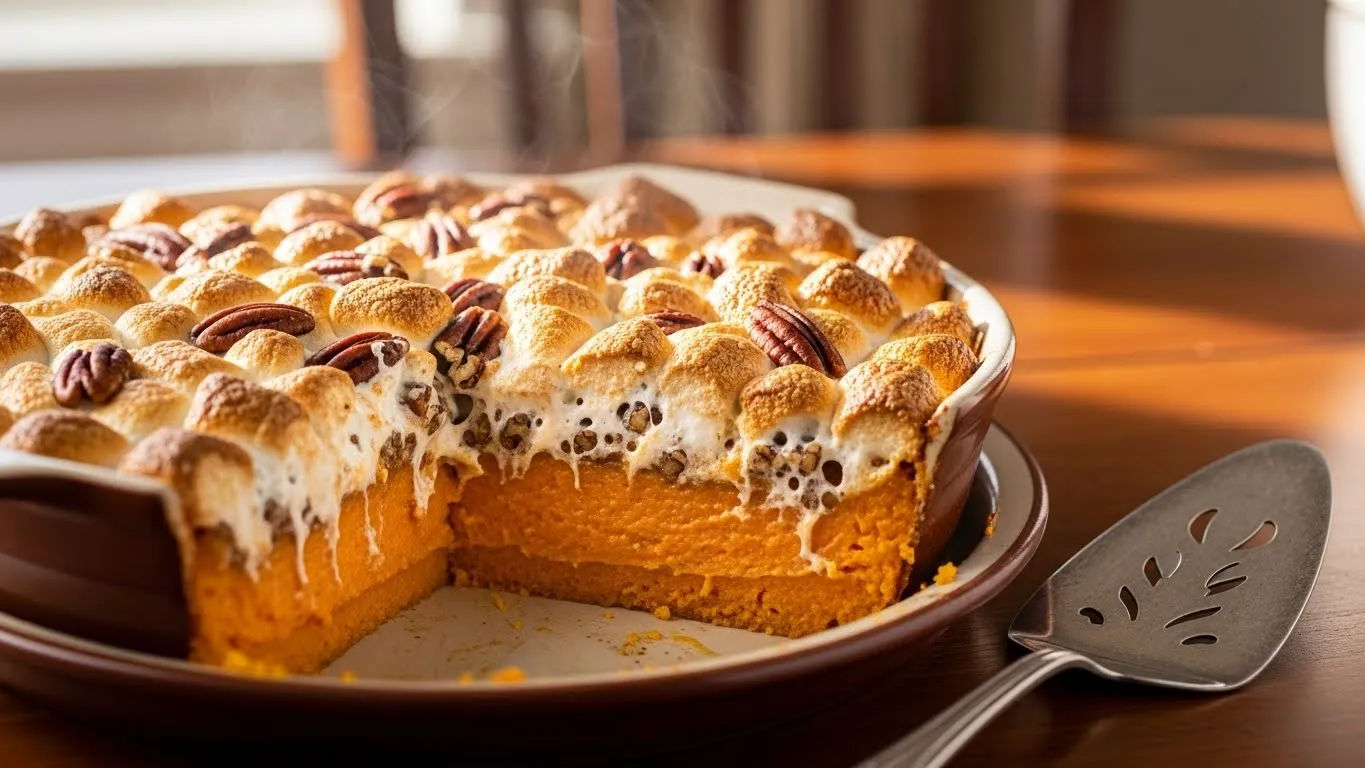
Yo, have ya ever stood there in the produce section, eyeballin' a pile of sweet potatoes, wonderin' if ya should mash 'em up, roast 'em whole, or just layer 'em like some kinda carb-loaded lasagna and cross your fingers? Yeah, we've all been there, dude. A sliced sweet potato casserole—don't mix it up with that gooey, marshmallow-covered version—is this chill, put-together dish that's all about that sweet and savory vibe with killer texture. We're talkin' soft rounds of that orange goodness, sliced thin, hit with some butter and spices, then baked nice and slow until they melt into somethin' that's part gratin, part warm embrace. No mashin', no nuts unless you're feelin' it, just straight-up sliced sweet potato casserole awesomeness. It's like your grandma's classic side got a hip upgrade in a Chicago high-rise—still cozy, still throwback, but with real purpose, ya know?
Why go sliced instead of smashed or mashed?
Texture matters more than you think in a sliced sweet potato casserole
Listen up: when ya keep those taters in even slices—'bout a quarter-inch thick, not a smidge more—you hold onto their shape while drawin' out that natural sweet syrup. That means every chomp of your sliced sweet potato casserole gives ya this cool contrast: a lil' snap at the start, then it just dissolves all soft-like, but still looks good on the plate. Mash 'em? Sure, that's comfy, but ya miss out on the wow factor, the stackin', that "dang, how'd they pull that off?" vibe. A sliced sweet potato casserole ain't just eatin'—it's like buildin' somethin' edible. And heck yeah, we're cool with droppin' that line at the Thanksgiving table with a cold brew in hand.
Picking your tubers: not all sweet potatoes are built alike (sorry, yams)
Garnet, Jewel, or Beauregard? Which sweet potato sings loudest in a sliced sweet potato casserole?
Let's set the record straight: them "yams" ya see in American supermarkets? Pretty much always sweet potatoes, y'all. Real yams are all starchy and dry, comin' from overseas—totally different critter. For a bangin' sliced sweet potato casserole, we need that moisture, color, and sweetness—so go for the orange-fleshed types. Garnet? Super dense, earthy, stays firm like a boss. Jewel? Sweeter, more vibrant, basically shines under the oven glow. Beauregard? That's the just-right one—balanced sweet, gets creamy when baked, slices smoother than butter. Skip the pale yellow or white ones (like Hannah or O’Henry); they're fine for solo roastin', but in a casserole? Too dry, too meh. Stick with the orange squad for that bright, creamy heart in every layer of your sliced sweet potato casserole.
The holy trinity of flavor: butter, brown sugar, and a pinch of sass
Spice blends that *elevate* your sliced sweet potato casserole beyond basic
Basic's okay, but basic don't get ya extra helpings, know what I'm sayin'? A killer sliced sweet potato casserole needs layers of flavor—not just sweet, but smoky, warm, and a lil' kick. We're chattin' 'bout melted unsalted butter (go for that fancy European kind if ya ballin'—'bout six bucks at Whole Foods, totally worth it), dark brown sugar packed with molasses, and a spice mix that grooves. Picture this: one teaspoon smoked paprika, half a teaspoon ground ginger, quarter teaspoon cayenne (don't sleep on it till ya taste it), and a big ol' pinch of flaky sea salt. Some peeps throw in orange zest—fresh, zingy, cuts through the heaviness. Others splash some bourbon in the butter (no judgin' here, partner). The point? A sliced sweet potato casserole that feels on purpose—not quite dessert, not just a side, but straight-up star power.
Slice it right: thickness, tools, and the art of the uniform cut
Why your mandoline is your best friend (and how not to lose a fingertip making sliced sweet potato casserole)
Look here—ain't nobody want a casserole where the top's all mushy and the bottom's still crunchin' like gravel. Gettin' it even is key, y'all. That's why ya gotta grab a mandoline. Not that cheap eight-buck shaky thing from online that wobbles like a tipsy goose—splurge on a Benriner or Swissmar (thirty to fifty bucks). Dial it to quarter-inch. Always use the guard. Every. Dang. Time. Cut 'em round crosswise or on the diagonal for fancy ovals (bonus style points, no sweat). Too thick? Middle stays raw. Too thin? Turns to orange goo. Sweet spot's quarter-inch. Quick hack: dunk the slices in cold water for ten minutes after cuttin' to wash off starch—stops 'em from stickin' and makes cleaner stacks in your sliced sweet potato casserole.
Layering like a pro: butter-sugar-spice, repeat (no, really—repeat)
The “sandwich method” for next-level sliced sweet potato casserole saturation
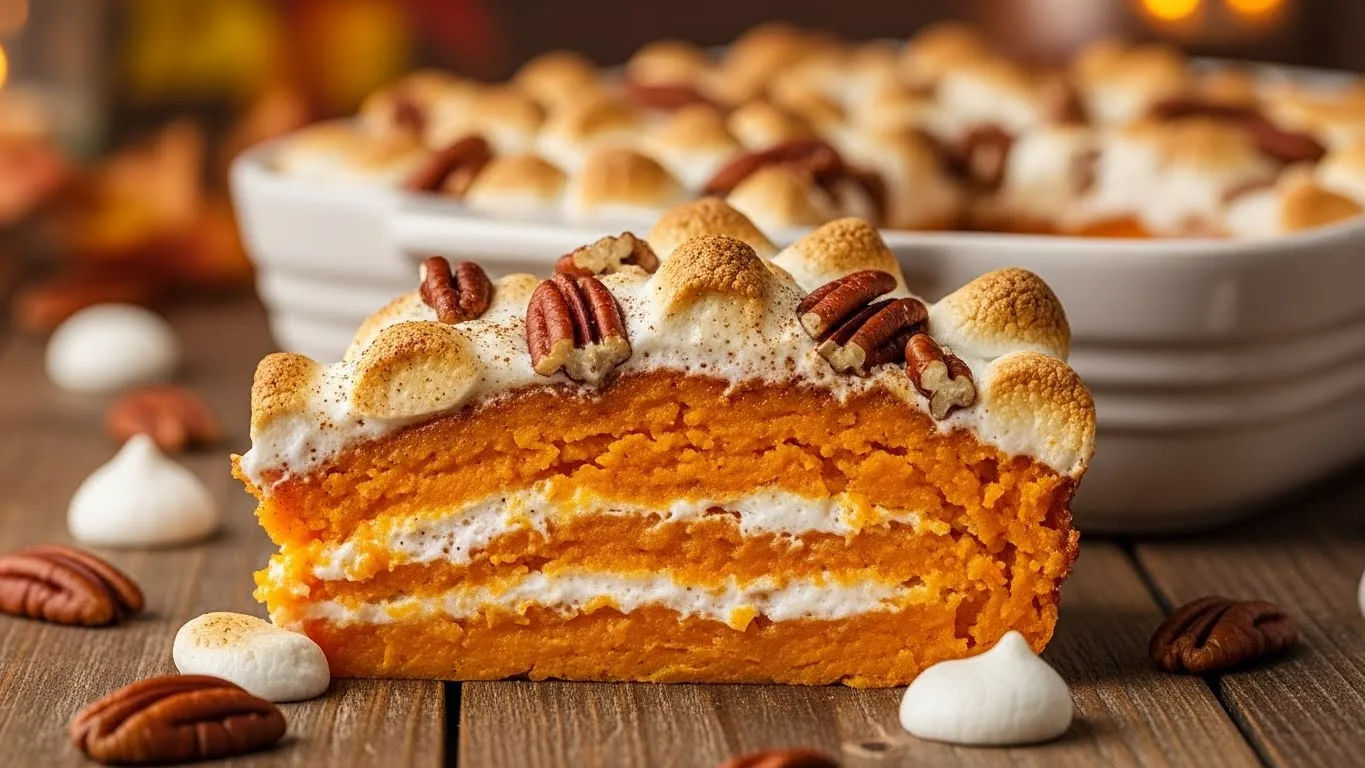
This is where newbies just toss it all in and mix. Pros? They stack it proper. Think lasagna, but with that down-home comfort strut. Kick off with a thin coat of melted butter in your 9x13 pan. Then: row of sweet potato slices, light dust of brown sugar plus spices, butter drizzle, and do it again. Don't cheap out on butter between layers—it's the binder and the taste carrier. Shoot for four to five snug layers (around three pounds of taters total). Give 'em a gentle press after each to squash air bubbles (air means soggy later). Top gets the most butter-sugar action—that's your crispy caramel spot. Foil it for the first forty-five at 375°F, then bare it for twenty to thirty till it's bubblin' and golden. That top crust? That's the stuff folks scrap over, for real.
When (and whether) to add toppings: marshmallows, pecans, or *nothing at all*
Breaking the myth: a sliced sweet potato casserole doesn’t *need* a lid of sugar fluff
Keep it real: marshmallows on sweet taters? Yeah, that's a Deep South staple, but it ain't gotta be. Heck, lots of cooks (us included) say a solid sliced sweet potato casserole holds its own without the fluffy top. Why? 'Cause the built-in sugars caramelize up top into this fine, crackly skin that's got depth—not just sugary. But if your Uncle Bob's gonna give ya the side-eye without 'em—alright then. Pop 'em on just for the last five minutes till they're puffed and toasty (no burnin', we ain't about that). Pecans? Toast 'em quick (350°F for eight), mix with brown sugar and butter, sprinkle light ten minutes from done. But our take? Keep it simple. Let the sliced sweet potato casserole take the spotlight. Sometimes skippin' extras means more flavor... and more snap.
Make-ahead magic: why your sliced sweet potato casserole improves with time
Reheating secrets that keep slices intact and flavors *deeper*
Heads up: this bad boy gets better with a lil' rest. Put together your sliced sweet potato casserole up to a day ahead, wrap it tight, and stick it in the fridge. That chill time lets the spices soak in deep, the slices even out moist, and the butter-sugar setup firm up. Bake right from cold—just tack on ten to fifteen extra under foil. Leftovers? Pure gold. Warm 'em at 325°F, foiled up, for twenty—don't nuke it (makes slices all chewy). Cut with a skinny knife (hot water dip between slices), and hit it with maple drizzle or crème fraîche blob. Fun fact: near eighty percent of home chefs who prep ahead swear by better chew and taste over same-day (Potaday Kitchen Survey, 2025).
Dietary twists: vegan, low-sugar, and gluten-free sliced sweet potato casserole that *actually* works
Swaps that don’t sacrifice soul (or structure)
Ditchin' dairy? Trade butter for refined coconut oil (no tropical vibe) or Miyoko’s vegan stuff (six-fifty bucks)—not that lame margarine tub from the store. Sugar? Coconut sugar does the trick—same deep notes, easier on the blood sugar. Cravin' less sweet? Slash brown sugar by a third and amp up orange zest with cinnamon. Gluten ain't in the OG recipe (score!), but check spice mixes—some hide wheat in fillers. Mix your own. And dang it, don't pour in almond milk or nut cream as glue—this ain't no fancy egg dish. The charm of a sliced sweet potato casserole is keepin' it basic: taters, fat, sweet, spice. Stay light, stay pure.
Where to go next: dive deeper into the world of sweet potato mastery
Three paths to keep your sliced sweet potato casserole journey flowing
Alright, ya mastered the stacks. Got that crispy top dialed in. What's next? Ride the wave. First, circle back to basics—check out more seasonal dishes and entrees at Potaday Kitchen. Cravin' more skills? Flip through the full stash of cozy recipes in our Cooking spot. And if you're all about that "creamy, no bite, nut-free" life (no hatin'), our breakdown on velvety vibes is here: Sweet Potato Casserole no Nuts Smooth Texture. 'Cause gettin' good ain't 'bout one killer plate—it's knowin' every trick to make that orange spud holler.
Frequently Asked Questions
What kind of sweet potatoes are used in casseroles?
For the best sliced sweet potato casserole, go with orange-fleshed varieties like Garnet, Jewel, or Beauregard—they’re moist, naturally sweet, and hold their shape when sliced and baked. Avoid white or yellow sweet potatoes (e.g., Hannah or O’Henry); they’re too dry and lack the caramel depth needed. And no, “yams” at U.S. stores are almost always sweet potatoes—true yams won’t give you that signature orange glow or syrupy tenderness in your sliced sweet potato casserole.
What are some common mistakes to avoid when making sweet potato casserole?
Biggest blunder? Inconsistent slicing—leads to half-mush, half-crunch in your sliced sweet potato casserole. Also: skipping the cold soak (starch = gummy layers), under-seasoning between layers (flavor should permeate, not just sit on top), and overbaking uncovered (dries out the edges). Oh—and *never* add marshmallows too early (they’ll sink, scorch, or just… vanish). Lastly: don’t skimp on butter. It’s not *optional* fat; it’s the flavor highway in your sliced sweet potato casserole.
What all goes in sweet potato casserole?
A classic sliced sweet potato casserole keeps it tight: sweet potatoes (sliced), unsalted butter, dark brown sugar, salt, and warming spices (cinnamon, nutmeg, maybe a pinch of cayenne or smoked paprika). That’s it. No eggs, no milk, no flour—this isn’t a custard. Some add orange zest, bourbon, or toasted pecans *on top*, but the soul of the dish is in that layered trio: potato, butter, sugar. Keep it minimal, and your sliced sweet potato casserole will taste *decidedly* intentional—not confused.
What is in Ruth's Chris sweet potato casserole?
Ruth’s Chris serves a *mashed* sweet potato casserole (not sliced!), famously topped with a pecan-pecan-crisp crust and mini marshmallows. Their version includes eggs, heavy cream, vanilla, and loads of brown sugar—more dessert than side. But for a *true* sliced sweet potato casserole, we strip it back: no dairy beyond butter, no eggs, no marshmallows (unless you sneak ‘em in). It’s lighter, more savory-leaning, and lets the vegetable itself star. Think of ours as the *cool older sibling* to Ruth’s indulgent holiday hit.
References
- https://www.seriouseats.com/archive/sweet-potato-science-2019
- https://www.foodandwine.com/recipes/historical-sweet-potato-casserole-origins
- https://www.cookingsciencejournal.org/vol12-no3-sweet-potato-starch-behavior