Sweet Potato Seed Potatoes Planting Guide
- 1.
Can I Grow Sweet Potatoes from a Sweet Potato?
- 2.
How to Grow Sweet Potatoes from Seed Potatoes: A Step-by-Step Dance
- 3.
What Are the Red Japanese Sweet Potatoes? (And Why Gardeners Are Obsessed)
- 4.
Are There Heirloom Sweet Potatoes? Digging Into Heritage Varieties
- 5.
From Slip to Harvest: The Full Lifecycle of Sweet Potato Seed Potatoes
- 6.
Common Mistakes That Kill Sweet Potato Seed Potatoes (And How to Avoid Them)
- 7.
Storage and Curing: How to Keep Your Sweet Potato Seed Potatoes Viable
- 8.
Where to Buy Quality Sweet Potato Seed Potatoes Online
- 9.
Grow Your Own: Why Sweet Potato Seed Potatoes Are Worth the Effort
Table of Contents
sweet potato seed potatoes
Ever stared at a sprouting sweet potato in your pantry and thought, “Is this thing judging me… or trying to grow a family?” You’re not paranoid—it’s doing both. Unlike regular spuds, sweet potatoes don’t come from “seeds” in the traditional sense. Nope. What you’re holding is a sweet potato seed potato—a living, breathing, vine-ready tuber just waiting for a little dirt therapy and some sunshine. And before you toss it in the compost bin thinking it’s gone bad, let us tell you: that little nubbin of green hope might just be your ticket to backyard gold (or at least, orange-gold). So grab your gardening gloves, folks—because we’re about to turn kitchen scraps into harvest glory.
Can I Grow Sweet Potatoes from a Sweet Potato?
Absolutely—and it’s easier than convincing your dog to stop stealing socks. The short answer? Yes, you can grow sweet potatoes from a store-bought tuber… but with caveats. Not all sweet potatoes are created equal. Many are treated with sprout inhibitors (thanks, Big Grocery), so they’ll sit there like a lump on a log no matter how much you whisper sweet nothings. For real success, you need untreated, organic sweet potato seed potatoes—ideally certified disease-free from a reputable nursery. These are bred specifically for planting, not just baking. Once you’ve got the right tuber, all it takes is warmth, water, and patience. In 4–6 weeks, you’ll have slips—those leafy green shoots ready to root and roam. So yes, your kitchen experiment can become a backyard bounty… if you start with the right kind of sweet potato seed potatoes.
How to Grow Sweet Potatoes from Seed Potatoes: A Step-by-Step Dance
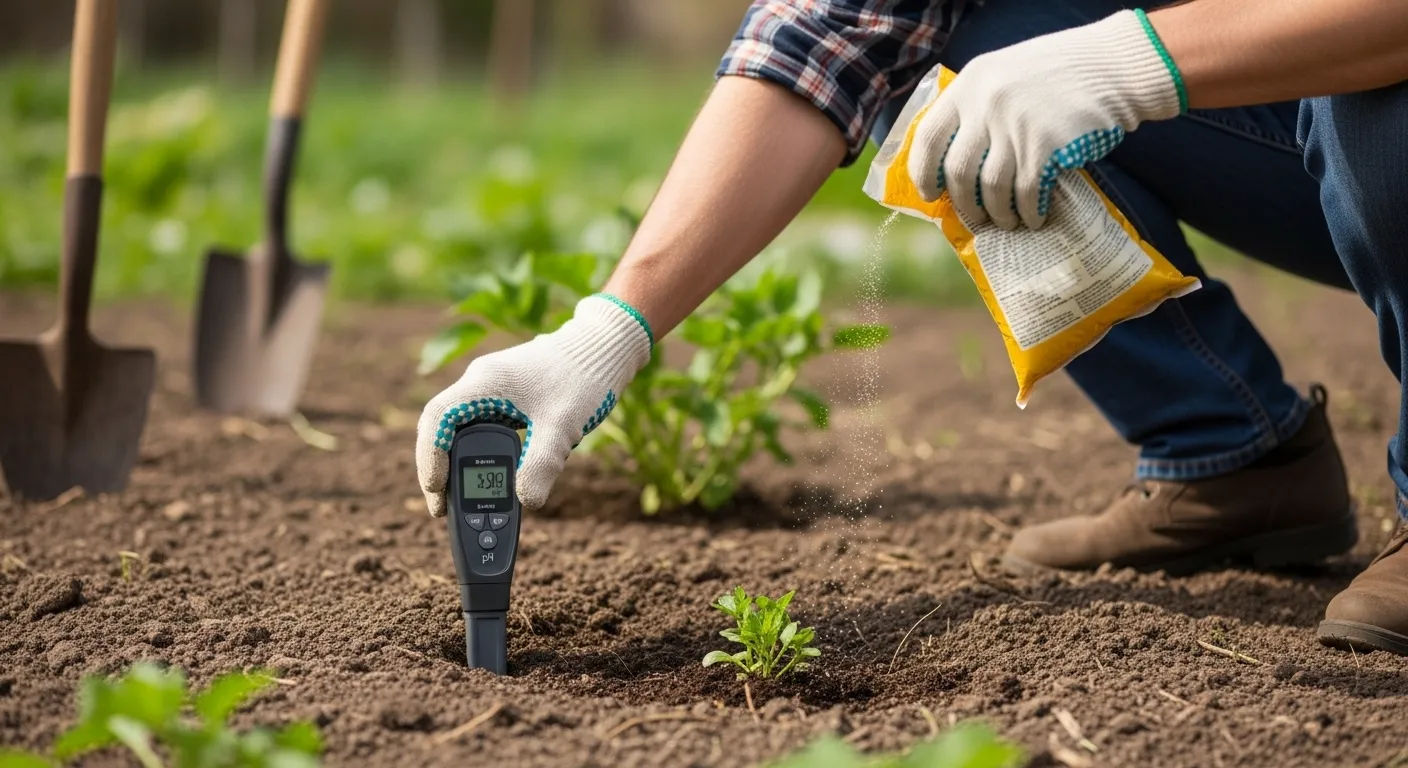
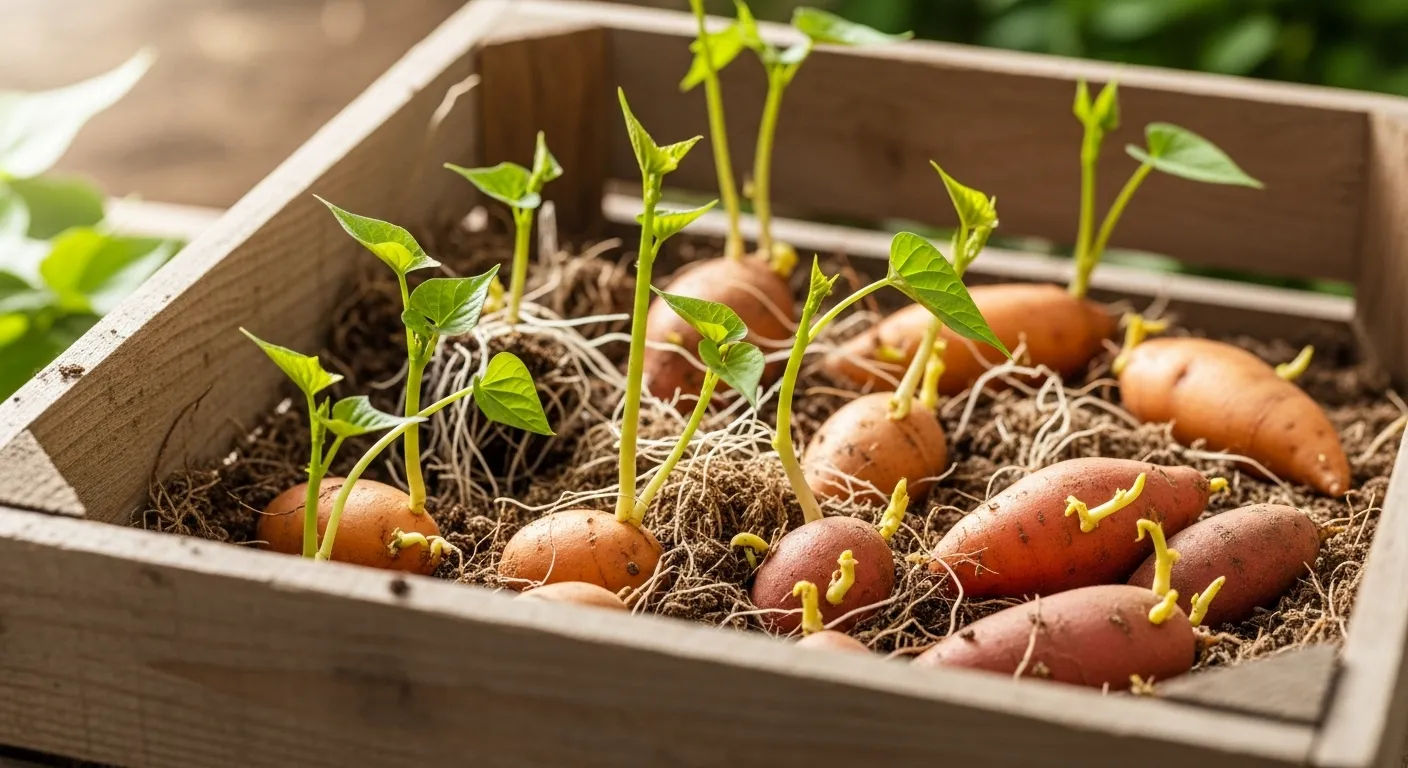
Alright, let’s get our hands dirty (figuratively, then literally). Growing sweet potatoes from sweet potato seed potatoes isn’t rocket science—but it does require a bit of rhythm. First, select a firm, healthy tuber—no mush, no mold. Next, suspend it halfway in a jar of water using toothpicks (the classic “science fair” method) or nestle it in moist potting mix. Keep it in a warm, sunny spot (70–85°F is ideal). Within weeks, sprouts—called “slips”—will emerge. Once they’re 6–8 inches long with roots forming, gently twist them off and plant them horizontally in loose, well-drained soil. Space them 12–18 inches apart, water deeply, and watch them sprawl like vines on vacation. Pro tip: sweet potatoes hate cold feet. Don’t plant until soil temps hit 65°F+. And remember—these aren’t Irish potatoes; they’re tropical divas who demand heat, sun, and zero frost. Treat your sweet potato seed potatoes like royalty, and they’ll reward you with tubers sweeter than your grandma’s apple pie.
What Are the Red Japanese Sweet Potatoes? (And Why Gardeners Are Obsessed)
If you’ve scrolled through foodie pics lately, you’ve probably seen those deep red-skinned, creamy-white-fleshed tubers labeled “Japanese sweet potatoes.” Known as Satsumaimo in Japan, these beauties are denser, drier, and nuttier than the common Beauregard. They caramelize like a dream and hold their shape in stews—making them a chef’s secret weapon. But here’s the kicker for growers: they’re also fantastic sweet potato seed potatoes. Varieties like ‘Murasaki’ or ‘Okinawan’ (though technically purple inside) thrive in long, hot seasons and produce high yields of uniform tubers. Just note: they need a longer growing season—120+ days—so northern gardeners might need black plastic mulch or row covers to extend warmth. But if you’ve got the summer sun? These red-skinned wonders make stunning—and delicious—sweet potato seed potatoes for your plot.
Are There Heirloom Sweet Potatoes? Digging Into Heritage Varieties
You bet your compost bin there are! While most commercial farms stick to Beauregard or Covington, heirloom sweet potato seed potatoes offer a rainbow of flavors, colors, and histories. Take ‘Georgia Jet’—a fast-maturing Southern staple that’s been passed down since the 1980s. Or ‘Centennial’, an orange-fleshed workhorse developed by North Carolina State in the 1960s. Then there’s the elusive ‘White Yam’ (not a true yam!), grown in the Caribbean and Gulf Coast for generations—creamy, mild, and perfect for frying. These heritage varieties aren’t just tasty; they’re genetic time capsules. By planting heirloom sweet potato seed potatoes, you’re preserving biodiversity and flavor profiles that Big Ag left behind. Plus, they often show better resilience to local pests and soils—because sometimes, old school really is cool school.
From Slip to Harvest: The Full Lifecycle of Sweet Potato Seed Potatoes
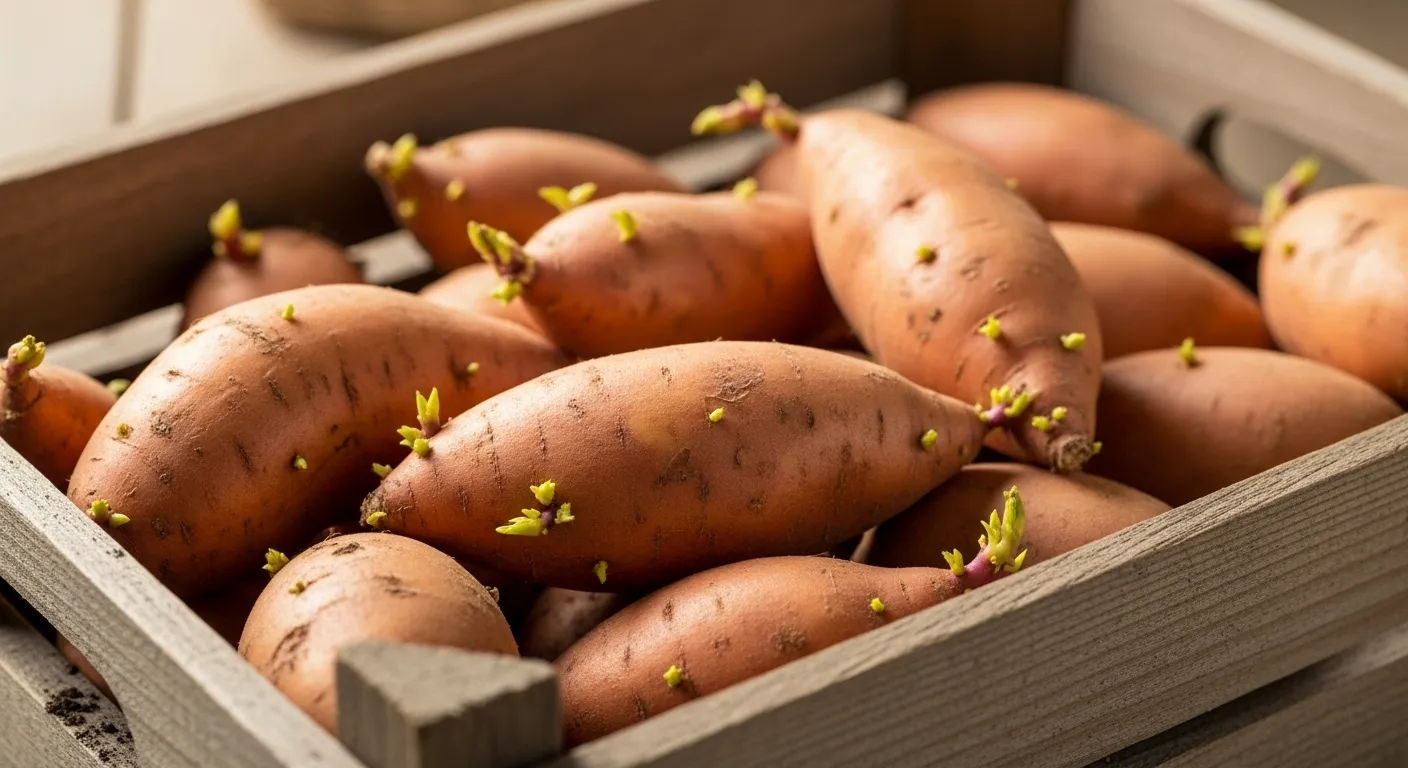
Let’s walk the journey. Day 1: You place your sweet potato seed potatoes in water or soil. Week 3: Slips appear—tiny leaves on tender stems. Week 6: You snip those slips and root them in cups of water. Week 8: Transplant rooted slips into the garden after hardening off. Month 2–4: Vines explode, covering ground like green velvet. Month 4–5: Tubers swell underground, silently packing in beta-carotene and sugar. Month 5–6: Harvest before first frost, cure in warm, humid air for 10 days to sweeten and heal skins. Then? Store in a cool (not cold!) pantry for months. The whole cycle—from slip to supper—takes patience, but the payoff? A pantry full of homegrown, chemical-free carbs that taste like sunshine. And it all starts with one humble sweet potato seed potatoes tuber.
Common Mistakes That Kill Sweet Potato Seed Potatoes (And How to Avoid Them)
We’ve all been there: overwatering, planting too early, or expecting spuds in 30 days. Here’s what derails most sweet potato dreams:
- Using grocery-store tubers treated with sprout inhibitors → they just sit there, smug and dormant.
- Planting in cold, wet soil → leads to rot, not roots.
- Over-fertilizing with nitrogen → hello, leafy jungle, goodbye tubers!
- Harvesting too early → tiny, underdeveloped tubers.
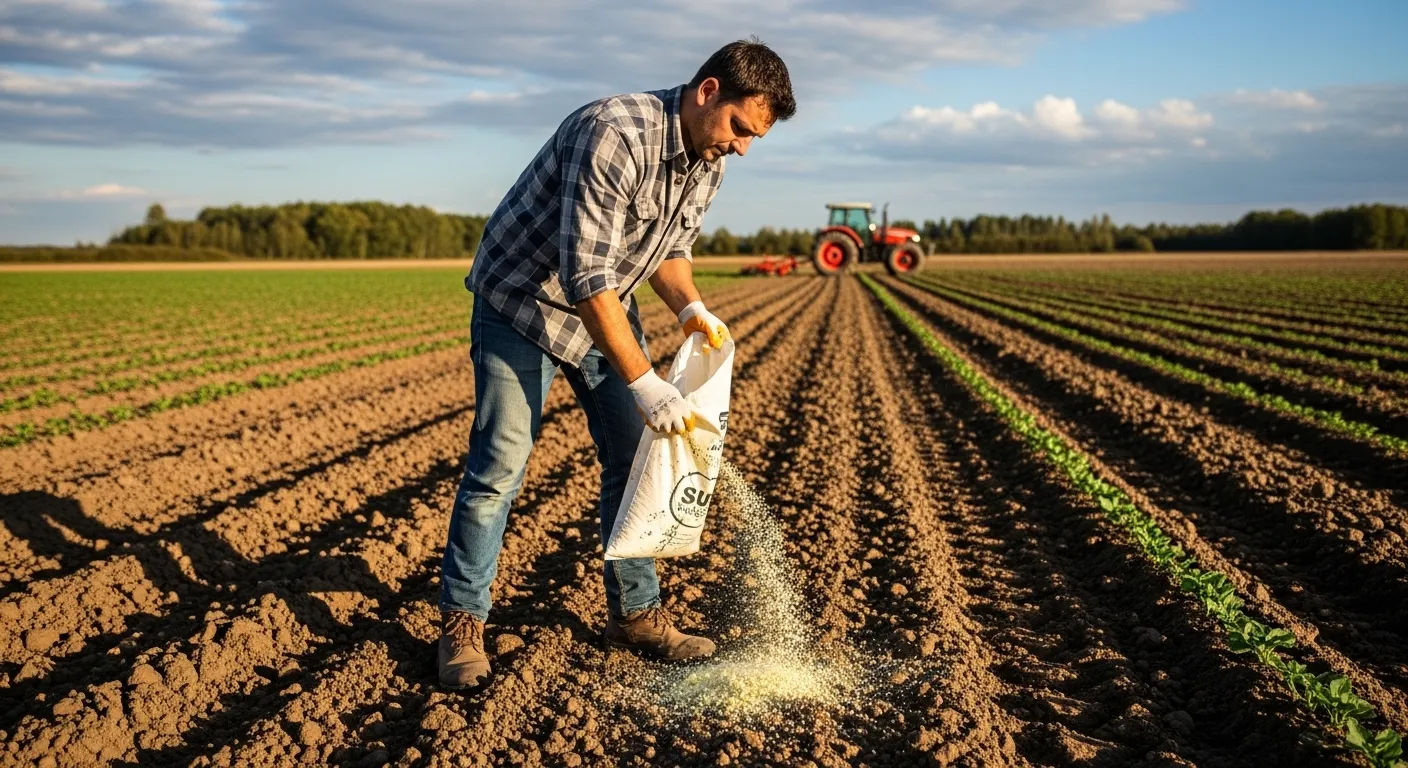
The fix? Start with certified organic sweet potato seed potatoes, wait for warm soil, use balanced fertilizer (think 5-10-10), and resist the urge to dig before 90 days. Patience, grasshopper—your future self will thank you when you’re roasting homegrown sweets in November.
Storage and Curing: How to Keep Your Sweet Potato Seed Potatoes Viable
Got extra tubers you want to save for next year’s slips? Don’t just chuck them in a drawer. After harvest, cure your sweet potatoes at 85°F and 85% humidity for 10 days—this heals wounds and converts starches to sugars. Then store them at 55–60°F (never refrigerate—that ruins texture!). Kept properly, they’ll last 6–8 months and still sprout vigorously. But here’s the pro move: if you’re saving your own sweet potato seed potatoes, isolate them from eating stock. One bruised tuber can spread disease to your whole planting batch. Label them, stash them in breathable bins, and check monthly for soft spots. Because nothing’s worse than opening your seed box in March to find a science experiment instead of sweet potato seed potatoes.
Where to Buy Quality Sweet Potato Seed Potatoes Online
Not all seed suppliers are equal. Avoid big-box stores—stick to specialty nurseries that specialize in edible crops. Trusted sources include:
| Supplier | Top Varieties | Price Range (USD) |
|---|---|---|
| Southern Exposure Seed Exchange | ‘Georgia Jet’, ‘Centennial’ | $4–$7 per tuber |
| Johnny’s Selected Seeds | ‘Covington’, ‘Beauregard’ | $5–$8 per slip bundle |
| San Diego Seed Company | ‘Okinawan’, ‘Murasaki’ | $6–$9 per tuber |
Look for terms like “certified disease-free,” “organic,” and “intended for propagation.” And order early—good sweet potato seed potatoes sell out by February. Because when spring hits, you’ll want to be the neighbor handing out slips, not begging for them.
Grow Your Own: Why Sweet Potato Seed Potatoes Are Worth the Effort
Let’s cut to the chase: growing your own beats buying every time. Homegrown sweet potatoes taste richer, store longer, and cost pennies per pound once established. Plus, there’s magic in pulling a fat, orange tuber from your own soil—knowing exactly what went into it (just sun, water, and love). Ready to start? Head back to the homepage of Potaday for more growing guides and seasonal tips. Dive deeper into techniques in our Growing category, where we cover everything from soil prep to pest control. And if you’re curious about other colorful varieties, don’t miss our full guide to Purple Sweet Potato Seed Potatoes Grow Tips—because why settle for orange when you can grow purple, white, and red too? With the right sweet potato seed potatoes, your garden becomes a pantry of possibility.
Frequently Asked Questions
Can I grow sweet potatoes from a sweet potato?
Yes, you can grow sweet potatoes from a sweet potato—but only if it’s untreated and organic. Most store-bought tubers are sprayed with sprout inhibitors, so they won’t produce slips. For reliable results, use certified disease-free sweet potato seed potatoes from a reputable garden supplier.
How to grow sweet potatoes from seed potatoes?
To grow sweet potatoes from sweet potato seed potatoes, start by encouraging slips (sprouts) in water or moist soil. Once slips are 6–8 inches long with roots, plant them in warm, well-drained soil after the last frost. Space them 12–18 inches apart, water consistently, and harvest after 90–120 days depending on the variety.
What are the red Japanese sweet potatoes?
Red Japanese sweet potatoes, such as ‘Murasaki’, feature deep red-purple skin and creamy white or pale yellow flesh. They’re known for their nutty, chestnut-like flavor and dense texture. These varieties make excellent sweet potato seed potatoes for growers in long-season climates, requiring 120+ frost-free days to mature fully.
Are there heirloom sweet potatoes?
Yes! Heirloom sweet potatoes like ‘Georgia Jet’, ‘Centennial’, and ‘White Yam’ have been passed down through generations and offer unique flavors, colors, and regional adaptations. These heritage varieties serve as valuable sweet potato seed potatoes for home gardeners seeking biodiversity and resilience beyond commercial hybrids.
References
- https://extension.uga.edu/publications/detail.html?number=B1298
- https://www.nrcs.usda.gov/wps/portal/nrcs/detail/soils/health/biology/?cid=nrcs142p2_053863
- https://aggie-horticulture.tamu.edu/sweetpotato/growing-sweetpotatoes-in-home-gardens/
- https://www.almanac.com/plant/sweet-potatoes