Tomato Plant Fusarium Wilt Prevention Tips
- 1.
What Exactly Is This Tomato Plant Fusarium Wilt Nightmare?
- 2.
Spotting the Early Warning Signs Before It's Too Late
- 3.
How to Treat Fusarium Wilt on Tomato Plants: Damage Control
- 4.
Can Tomatoes Recover from Wilt? The Harsh Reality
- 5.
Is There a Fungicide for Fusarium Wilt in Tomatoes?
- 6.
Choosing Resistant Varieties: Your Best Defense
- 7.
Soil Management Strategies That Actually Work
- 8.
Can I Eat Tomatoes with Fusarium Wilt? Food Safety Concerns
- 9.
Prevention Is Worth a Thousand Cures: Proactive Measures
- 10.
Building a Fusarium-Resistant Garden for Years to Come
Table of Contents
tomato plant fusarium wilt
What Exactly Is This Tomato Plant Fusarium Wilt Nightmare?
Ever wake up one morning, stroll out to your garden feeling like you're about to win "Gardener of the Year," only to find your prized tomato plants looking like they pulled an all-nighter and lost? That's the heartbreak of tomato plant fusarium wilt—a fungal disease that sneaks up on you faster than a raccoon at a trash can. This nasty pathogen, Fusarium oxysporum f. sp. lycopersici, invades your plant's vascular system like an uninvited houseguest who refuses to leave. It clogs up the waterworks, causing leaves to yellow, wilt, and eventually give up the ghost. And here's the kicker—it can survive in your soil for up to 10 years, just waiting for its next victim. Talk about commitment issues!
Spotting the Early Warning Signs Before It's Too Late
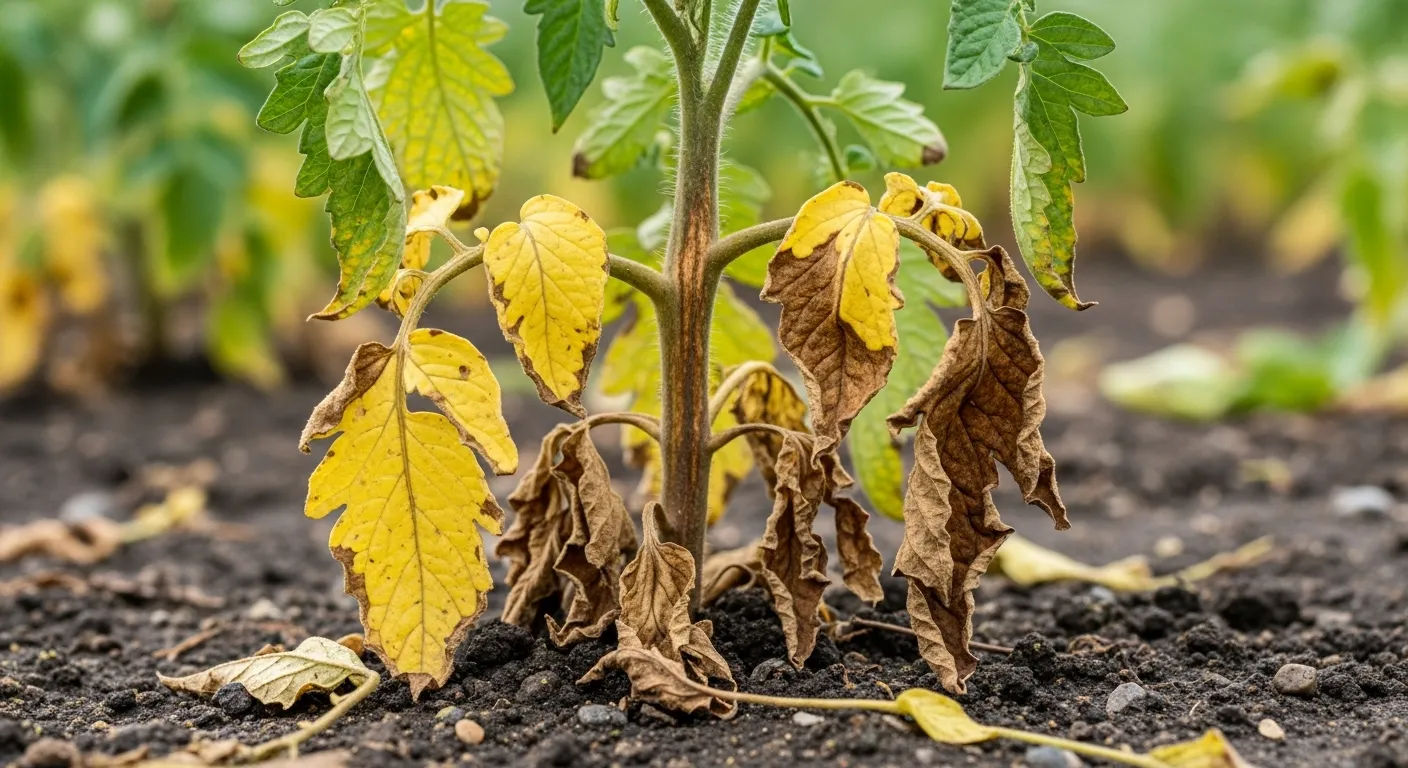
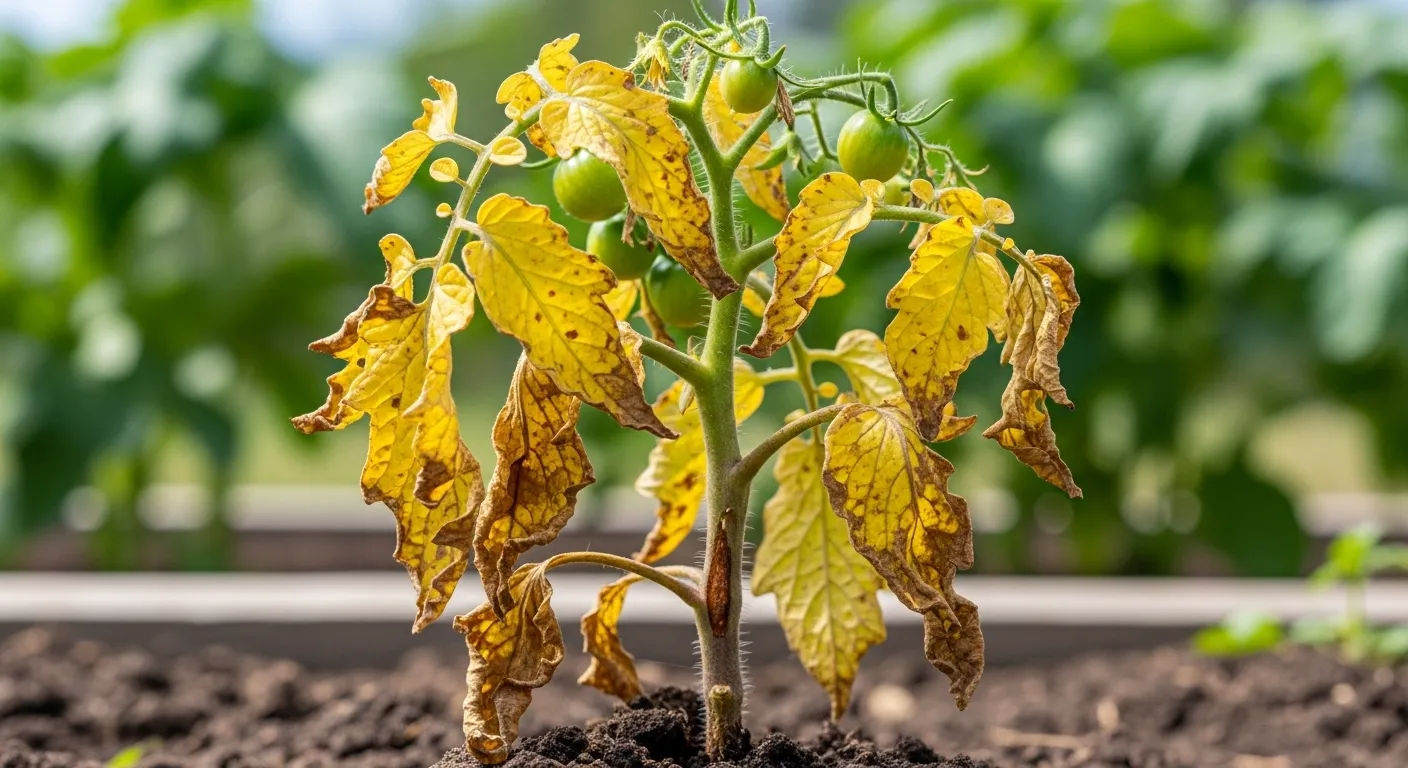
So how do you know if your tomato plant fusarium wilt situation is brewing? First off, keep an eye out for yellowing that starts on the lower leaves and works its way up—usually affecting one side of the plant first, which is super creepy if you think about it. The leaves might curl inward like they're trying to hide from the problem (can't blame 'em). As the disease progresses, you'll notice wilting during the hottest part of the day, even if the soil's moist enough to swim in. Eventually, the stems might show brown streaks when you cut them open—nature's way of saying "you messed up, buddy." The real bummer? Once symptoms show, it's usually game over for that growing season.
How to Treat Fusarium Wilt on Tomato Plants: Damage Control
Alright, so you've got tomato plant fusarium wilt staring you down. What now? First rule: don't panic (easier said than done, we know). Unfortunately, there's no magic cure once your plants are infected—this ain't like giving your kid antibiotics for strep throat. Your best bet is to remove and destroy infected plants immediately. We're talking bag them up and trash them—don't compost these bad boys or you'll just spread the party. Next, avoid overhead watering like the plague; use drip irrigation instead to keep leaves dry. And for heaven's sake, rotate your crops! Planting tomatoes in the same spot year after year is basically rolling out a welcome mat for this fungus. Trust us, your future self will thank you.
Can Tomatoes Recover from Wilt? The Harsh Reality
Here's the cold, hard truth about tomato plant fusarium wilt: once your plants show significant symptoms, recovery is about as likely as finding a parking spot right in front of the stadium on game day. The fungus has already colonized the vascular tissue, and there's no going back. However—and this is a big however—if you catch it super early and the plant is still mostly healthy, you might be able to slow the progression by providing optimal growing conditions. Think consistent watering, proper fertilization, and maybe even some pruning of affected leaves. But let's be real: prevention is worth a thousand cures here. Once that tomato plant fusarium wilt takes hold, it's usually curtains for your harvest dreams that season.
Is There a Fungicide for Fusarium Wilt in Tomatoes?
You're probably wondering if there's some miracle spray that'll save your tomato plant fusarium wilt situation. Well, hate to break it to ya, but most fungicides are about as useful as a screen door on a submarine when it comes to this particular fungus. The problem is that Fusarium lives inside the plant's vascular system, where surface sprays can't reach. Some products containing streptomycin or copper might help prevent infection if applied before symptoms appear, but they won't cure an already sick plant. Your money's better spent on resistant varieties or soil solarization—basically cooking the fungus out of your soil using clear plastic and good old-fashioned sunlight. It sounds weird, but it actually works!
Choosing Resistant Varieties: Your Best Defense
When it comes to battling tomato plant fusarium wilt, your first line of defense should be choosing resistant varieties. Look for tomato plants labeled with "F" or "FF" after their names—this means they've been bred to resist one or two races of the Fusarium fungus. Some solid options include 'Better Boy,' 'Celebrity,' 'Roma,' and 'Big Beef.' These guys won't guarantee you'll never see tomato plant fusarium wilt, but they'll definitely stack the odds in your favor. And pro tip: don't just grab whatever looks pretty at the nursery. Do your homework and pick varieties that are specifically resistant to the strains common in your area. Your future tomato sandwiches will thank you.
Soil Management Strategies That Actually Work
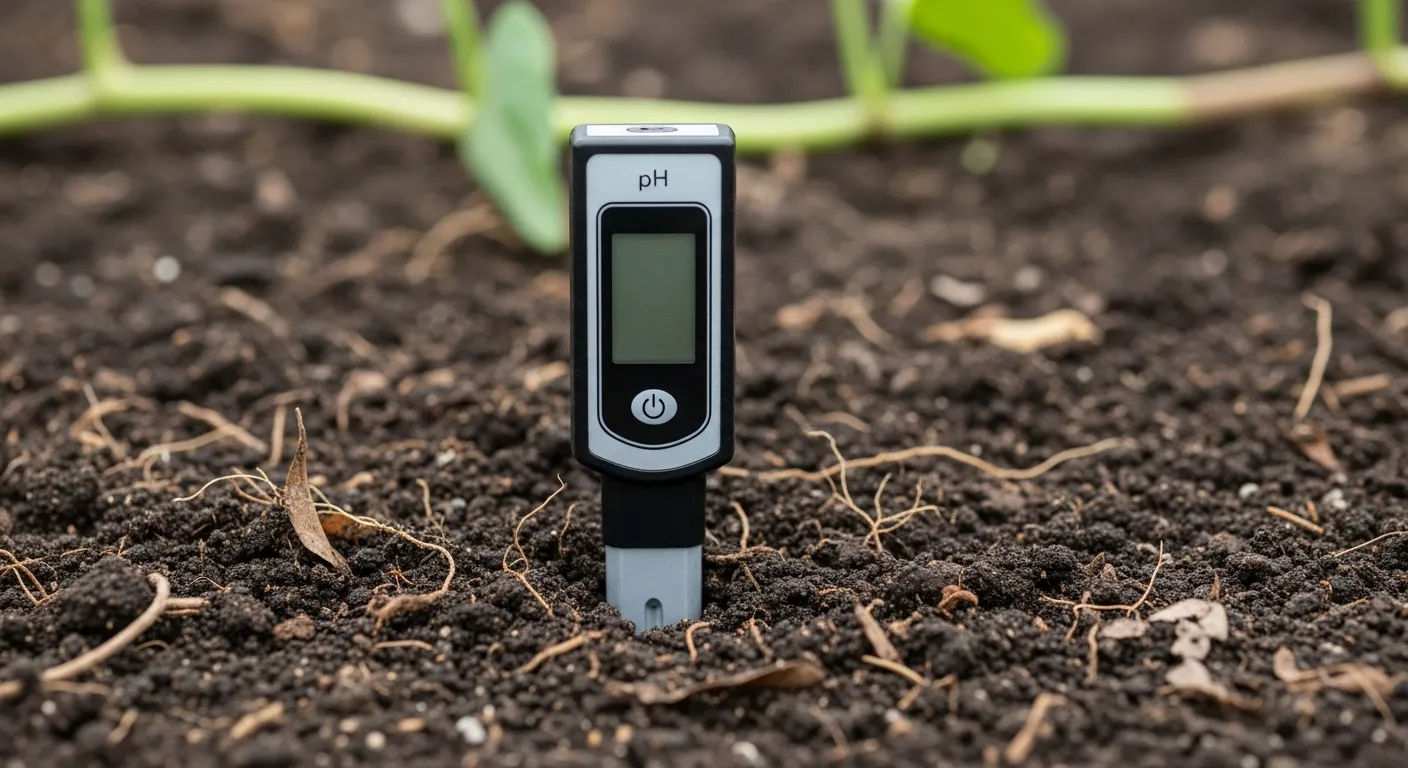
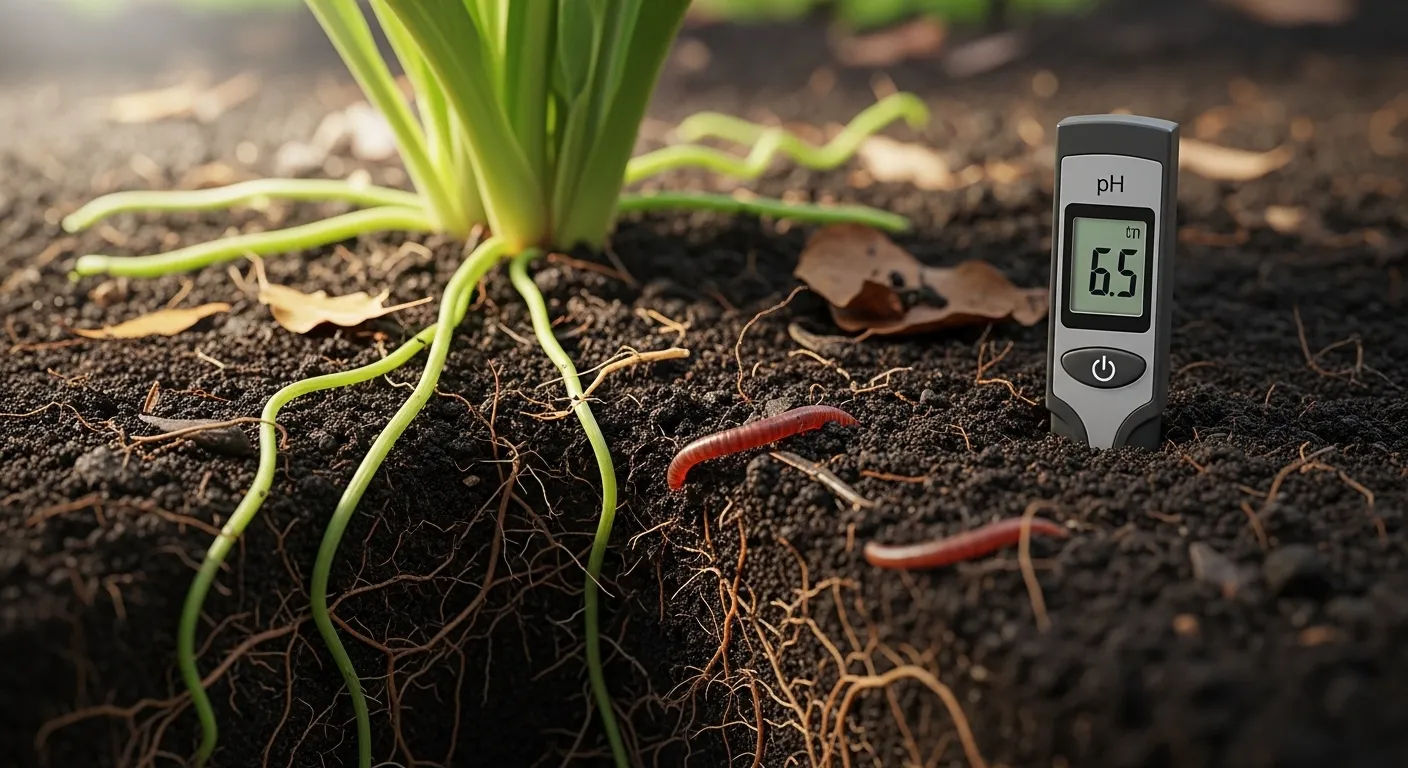
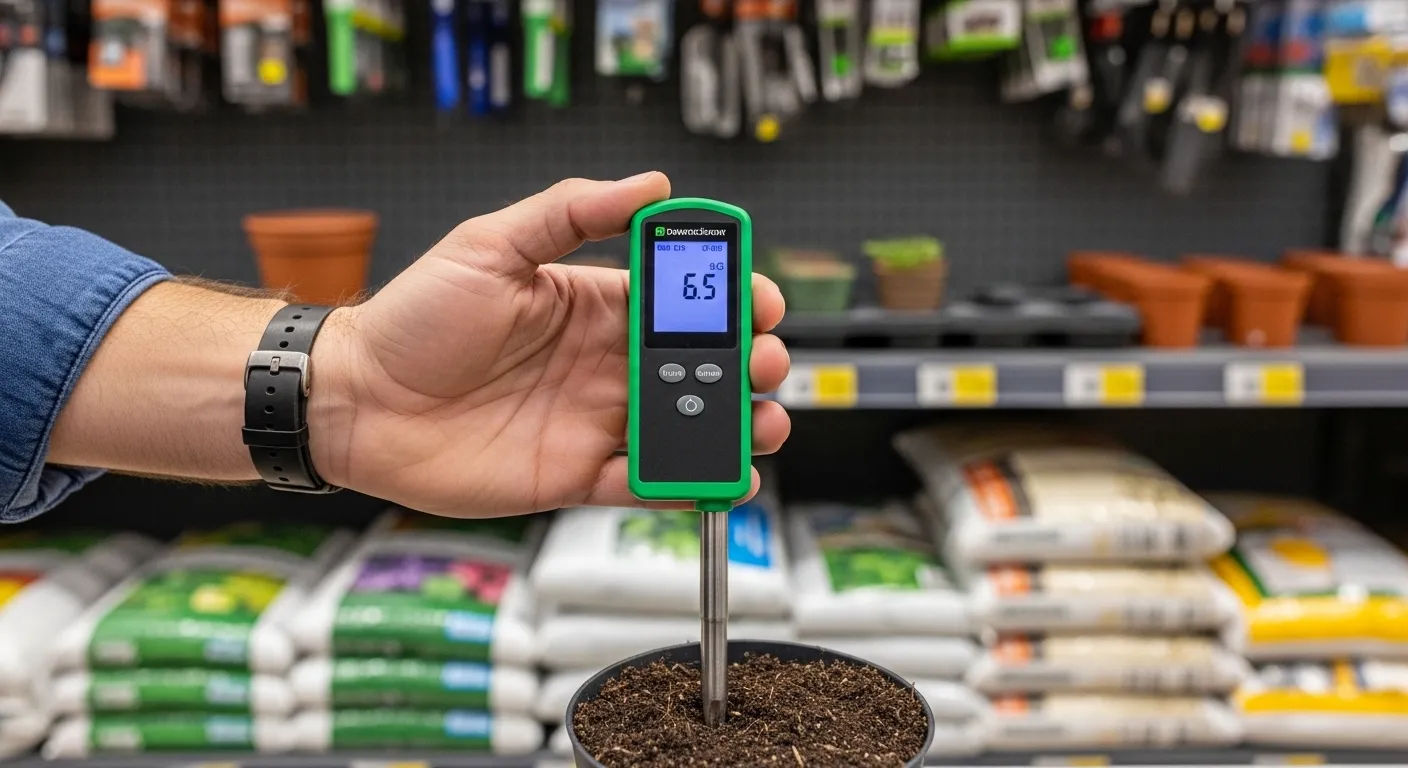
Since tomato plant fusarium wilt loves to hang out in your soil like it owns the place, managing that dirt is crucial. First off, test your soil pH—this fungus prefers slightly acidic conditions, so keeping your soil around 6.5-7.0 can help keep it in check. Adding lime to raise pH might sound like gardening rocket science, but it's actually pretty straightforward. Also, consider soil solarization during the hottest months: cover your garden beds with clear plastic for 4-6 weeks, and let the sun do its thing. Temperatures can reach over 140°F (60°C) under that plastic, which is basically a sauna from hell for the fungus. Just make sure you do this when you're not planning to grow anything—your soil will need time to recover afterward.
Can I Eat Tomatoes with Fusarium Wilt? Food Safety Concerns
Here's a question that keeps gardeners up at night: if your tomato plant fusarium wilt has produced some fruit before dying, can you actually eat those tomatoes? The short answer is yes—but with major caveats. The fungus itself doesn't produce toxins harmful to humans, so technically the fruit is safe. However, plants under stress often produce inferior fruit that might taste off or have weird textures. Plus, if the disease has significantly weakened the plant, the tomatoes might not have developed properly. Our advice? If the fruit looks and smells normal, go ahead and enjoy it. But if it's small, misshapen, or just looks sad, compost it and move on. Life's too short for bad tomatoes, y'all.
Prevention Is Worth a Thousand Cures: Proactive Measures
Let's get real about tomato plant fusarium wilt prevention—because once you've got it, you're basically in a long-term relationship you never wanted. Start with clean seeds and transplants from reputable sources (no sketchy backyard swaps!). Sterilize your tools between plants with a 10% bleach solution—think of it as hand sanitizer for your pruners. Maintain proper spacing between plants for good airflow; crowded tomatoes are basically fungus condos. And for the love of all that is holy, don't work in your garden when plants are wet. You'll just spread spores around like confetti at a parade you didn't want to attend anyway. A little prevention goes a long way in keeping that tomato plant fusarium wilt at bay.
Building a Fusarium-Resistant Garden for Years to Come
Recovering from a tomato plant fusarium wilt outbreak takes patience and planning. Start by mapping out a 3-4 year crop rotation plan—tomatoes shouldn't return to the same spot for at least that long. Consider planting cover crops like mustard or marigolds, which can help suppress soil-borne pathogens naturally. Raised beds with fresh, sterile soil can give you a clean slate if your in-ground garden is heavily contaminated. And don't forget about soil amendments: adding compost and organic matter can encourage beneficial microbes that compete with the bad guys. For more gardening wisdom, check out Potaday, explore our Growing section, or dive into our detailed guide on Fusarium Wilt Cure & Recovery Strategies.
Frequently Asked Questions
How to treat Fusarium wilt on tomato plants?
Unfortunately, there's no cure for tomato plant fusarium wilt once plants are infected. Treatment focuses on damage control: immediately remove and destroy infected plants (don't compost them), avoid overhead watering, use drip irrigation instead, and practice strict crop rotation. Prevent future outbreaks by planting resistant varieties labeled with "F" or "FF," solarize soil during hot months, and maintain proper garden hygiene. While you can't save infected plants, these measures protect your garden from future tomato plant fusarium wilt attacks.
Can tomatoes recover from wilt?
Once tomato plant fusarium wilt symptoms are visible, recovery is highly unlikely. The fungus has already colonized the vascular system, blocking water transport permanently. However, if caught extremely early with minimal symptoms, providing optimal growing conditions might slow progression. Prevention is far more effective than attempting recovery. Focus on removing infected plants quickly, rotating crops, and planting resistant varieties to avoid future tomato plant fusarium wilt issues in your garden.
Can I eat tomatoes with Fusarium wilt?
Yes, you can eat tomatoes from plants affected by tomato plant fusarium wilt, as the fungus doesn't produce human-toxic compounds. However, stressed plants often produce inferior fruit with poor flavor or texture. Only consume tomatoes that look and smell normal—discard any that are misshapen, unusually small, or appear unhealthy. While the tomato plant fusarium wilt won't harm you directly, the quality of fruit from diseased plants is typically compromised, so use your best judgment before eating.
Is there a fungicide for Fusarium wilt in tomatoes?
Most fungicides are ineffective against established tomato plant fusarium wilt because the fungus lives inside the plant's vascular system where sprays can't reach. Some copper-based or streptomycin products may help prevent infection if applied before symptoms appear, but they won't cure infected plants. Soil solarization (using clear plastic to heat soil to 140°F+) is more effective for eliminating tomato plant fusarium wilt from garden beds. Prevention through resistant varieties and proper cultural practices remains the best approach.
References
- https://www.extension.org
- https://www.apsnet.org
- https://www.gardeningknowhow.com
- https://www.planetnatural.com