When Should You Hill Potatoes Timing Advice
- 1.
The Golden Rule: Timing Is Everything in Potato Hilling
- 2.
Why Hill at All? The Science Behind the Soil Pile
- 3.
The First Hill: Don't Wait Too Long, Don't Jump Too Early
- 4.
Second and Third Hillings: The Repeat Performance
- 5.
Tools of the Trade: What You'll Need for Proper Hilling
- 6.
What Happens If You Skip the Hilling Party?
- 7.
Alternative Methods: Straw Mulching and Grow Bags
- 8.
Weather Considerations: Don't Hill in the Rain
- 9.
Common Mistakes: What NOT to Do When Hilling
- 10.
From Planting to Harvest: The Complete Potato Timeline
Table of Contents
when should you hill potatoes
Ever looked at your potato plants and wondered, "Am I supposed to be piling dirt on these things like some kind of gardening archaeologist?" You're not alone, friend. The whole when should you hill potatoes question has sent more gardeners down rabbit holes than actual rabbits in a vegetable patch. But here's the tea: hilling isn't just some old-timey tradition your grandpa swore by—it's actually the secret sauce to getting those spuds to behave themselves underground. So let's dig into this (pun absolutely intended) and figure out the perfect timing for the great potato mound-up.
The Golden Rule: Timing Is Everything in Potato Hilling
Alright, let's cut to the chase on when should you hill potatoes. The sweet spot? When your potato plants are about 6-8 inches tall above the soil line. That's usually around 3-4 weeks after they've sprouted, depending on your climate and potato variety. You want to catch them before they get too tall and floppy—think of it like giving your plants a supportive hug before they start leaning on the neighbors. The first hilling should happen when you can see those sturdy green stems reaching for the sky but before they start looking like they need a chiropractor. Getting the timing right on when should you hill potatoes makes all the difference between a bumper crop and a sad, spindly harvest.
Why Hill at All? The Science Behind the Soil Pile
So why do we even bother with this whole when should you hill potatoes business? Simple: potatoes are sneaky little things that grow from the underground stems called stolons, and they'll pop up anywhere there's light. If you don't hill, you'll end up with green, bitter potatoes exposed to sunlight (and those contain solanine, which can make you sick). Hilling keeps the developing tubers covered, encourages more potato production along the buried stem, and helps prevent pesky weeds from crashing the party. It's basically giving your potatoes a cozy blanket to snuggle under while they do their thing. Understanding the why behind when should you hill potatoes helps you appreciate this weird but wonderful gardening ritual.
The First Hill: Don't Wait Too Long, Don't Jump Too Early
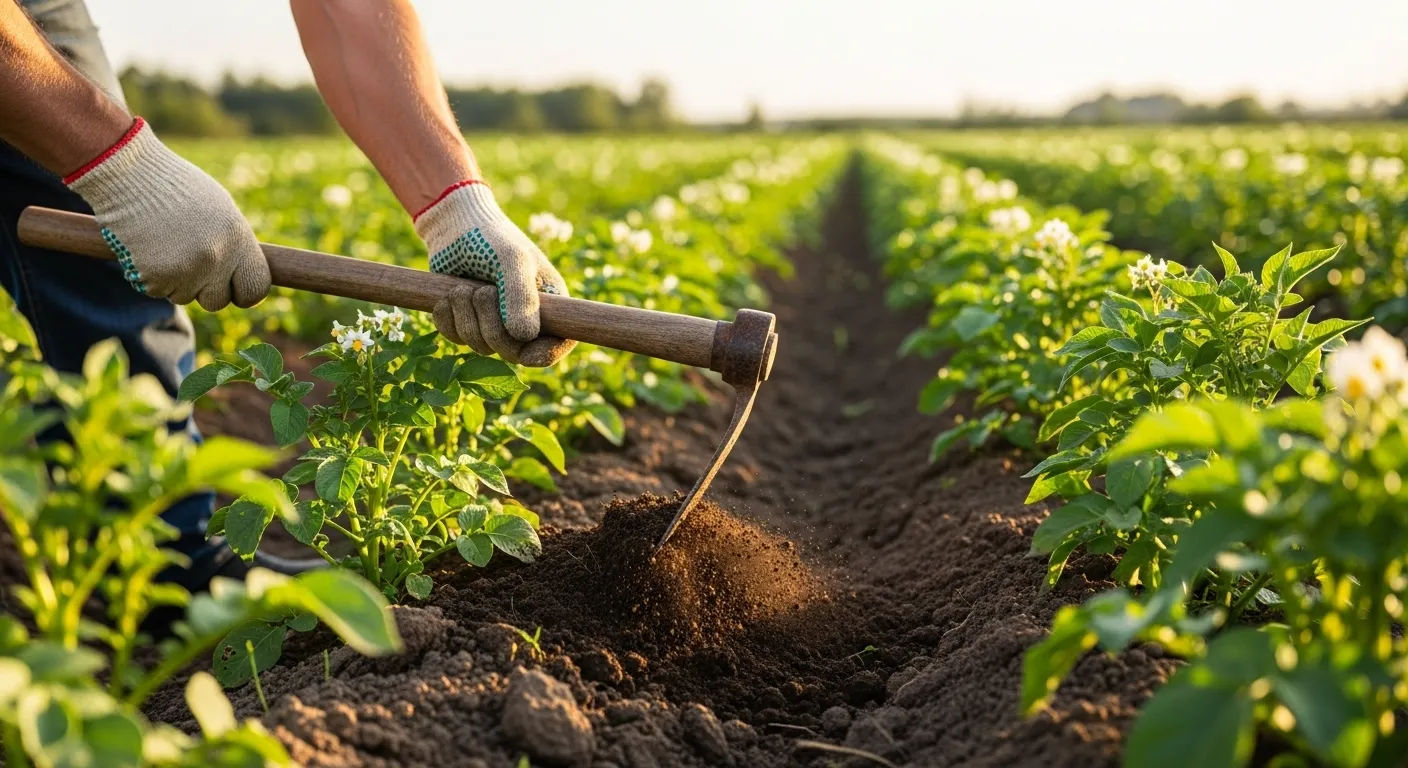
That first hilling is crucial, folks. Wait until those plants hit the 6-8 inch mark, then gently mound soil around the base, leaving about 2-3 inches of the plant sticking out. Don't go overboard and bury the whole thing—that's like tucking your kid into bed and covering their head with the blanket. Not cool. The goal is to encourage more root growth and protect those baby potatoes from sun exposure. If you're wondering when should you hill potatoes for that initial mound-up, just keep an eye on the height and act when they're looking perky but not yet towering. This first hilling sets the stage for everything that comes after in your potato-growing journey.
Second and Third Hillings: The Repeat Performance
Here's where folks get confused about when should you hill potatoes—because you're not done after the first round! About 2-3 weeks after your initial hilling, when the plants have grown another 6-8 inches above your soil mound, it's time to do it again. And sometimes, if you're growing a vigorous variety or have a long growing season, you might even need a third hilling. Think of it like giving your potatoes multiple layers of protection as they grow upward. Each hilling encourages more tuber formation and keeps everything nice and covered. The key is consistency—don't let the plants get too tall between hillings, or you'll be wrestling with floppy stems that don't want to stay buried.
Tools of the Trade: What You'll Need for Proper Hilling
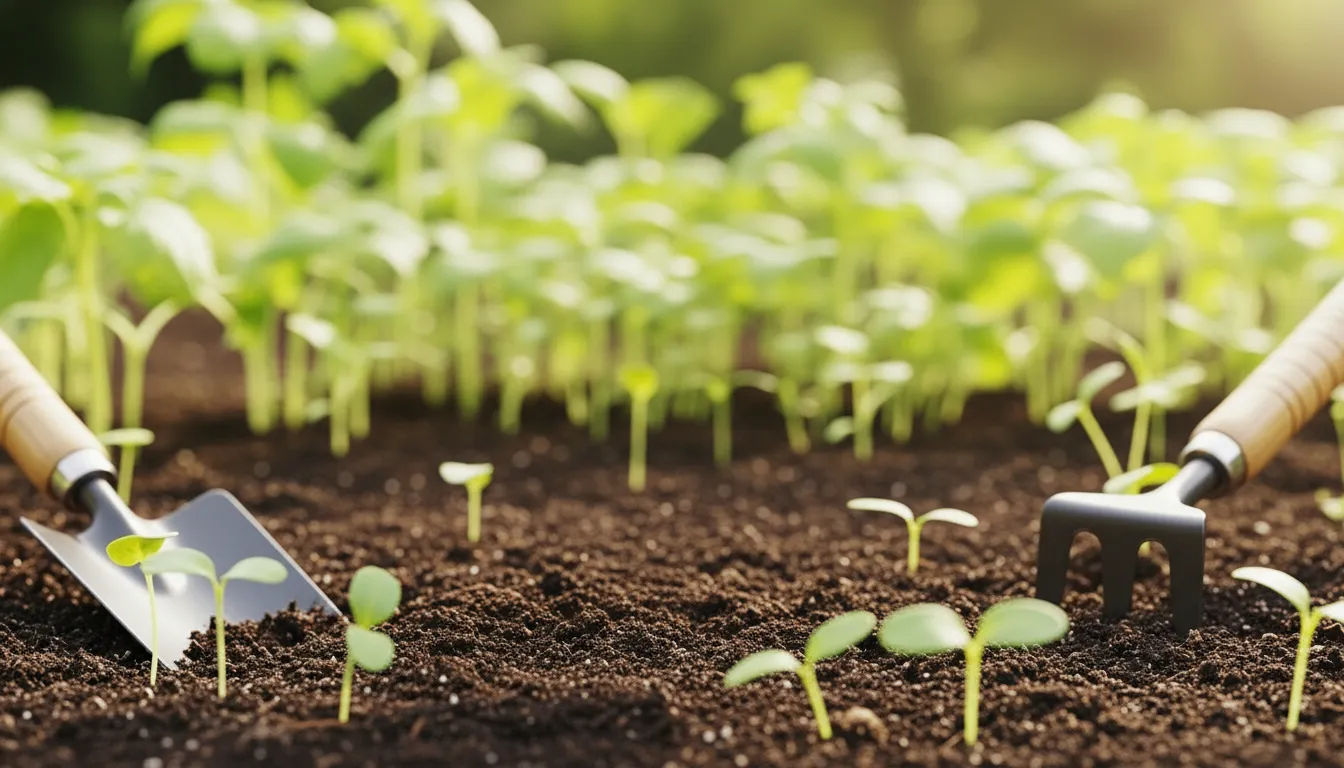
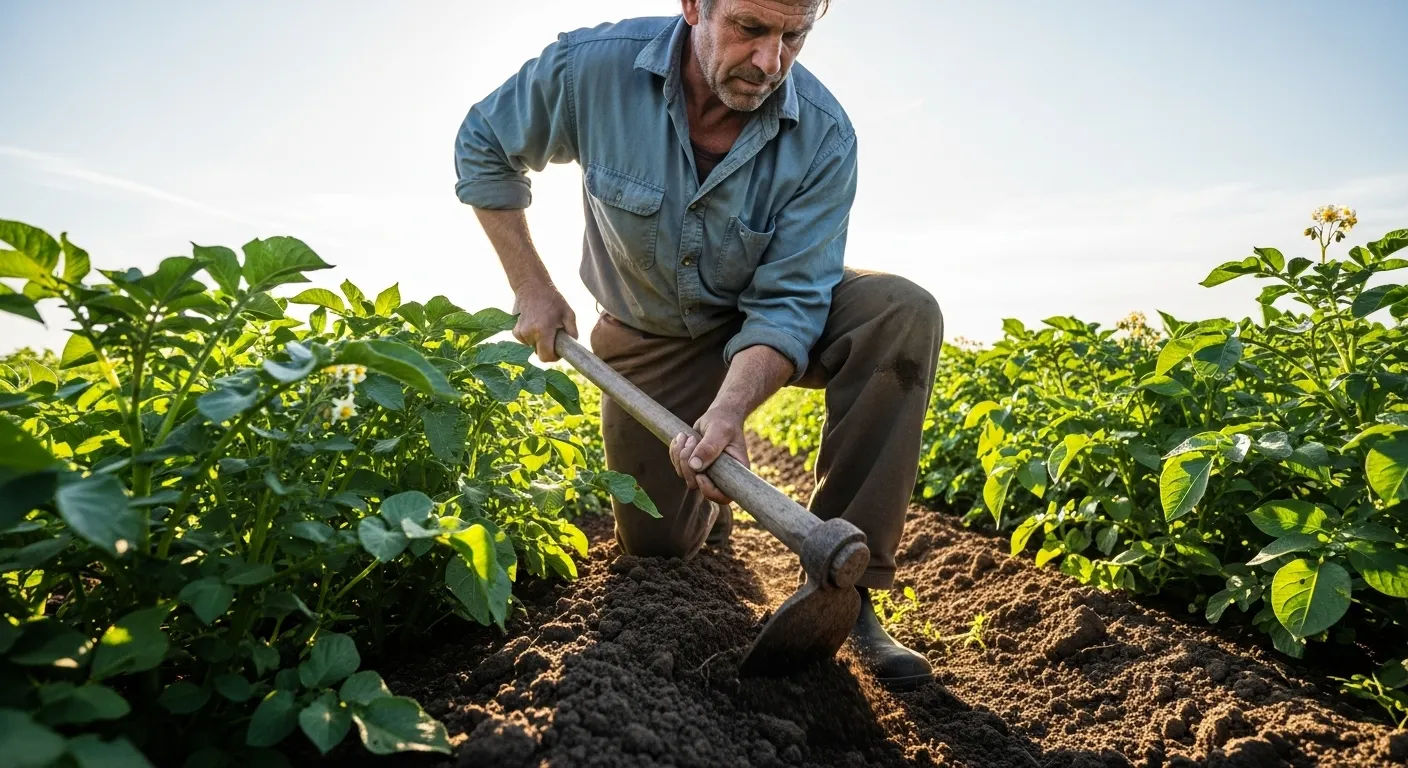
You don't need fancy equipment to figure out when should you hill potatoes, but having the right tools makes life easier. A good garden hoe is your best friend here—specifically a draw hoe or scuffle hoe for gently pushing soil toward the plants. A hand trowel works great for smaller gardens or precision work around delicate stems. And don't forget a trusty pair of gloves, because nobody wants dirt under their fingernails for a week. Some gardeners even use specialized hilling tools or modified rakes, but honestly, a simple hoe and some elbow grease will get the job done just fine. The most important tool, though? Patience. Rushing the hilling process can damage those precious plants.
What Happens If You Skip the Hilling Party?
Let's talk consequences, shall we? If you ignore the whole when should you hill potatoes question and just let nature take its course, you're in for a rough ride. First off, you'll get green potatoes exposed to sunlight—and those aren't just ugly, they're actually toxic due to solanine buildup. Second, your yield will be pathetic because you're not encouraging those extra tubers to form along the buried stem. Third, weeds will move in like squatters and compete with your potatoes for nutrients and water. And fourth, pests like Colorado potato beetles will have a field day munching on exposed stems and leaves. Basically, skipping hilling is like leaving your front door unlocked in a bad neighborhood—nothing good comes of it.
Alternative Methods: Straw Mulching and Grow Bags
Not everyone wants to get down and dirty with traditional soil hilling, and that's cool. There are other ways to answer the when should you hill potatoes question. Straw mulching involves layering straw around your plants instead of soil—same timing, different material. It's easier on your back, suppresses weeds beautifully, and makes harvest a breeze (just pull back the straw and grab your potatoes). Then there are grow bags and containers, which eliminate the need for hilling altogether since you just add more soil mix as the plants grow. These methods still follow the same timing principles—you add material when plants reach 6-8 inches—but they're gentler on the gardener. Sometimes the best answer to when should you hill potatoes is "however works best for your situation."
Weather Considerations: Don't Hill in the Rain
Timing isn't just about plant height when it comes to when should you hill potatoes—weather matters too. Never hill when the soil is soaking wet. Working wet soil destroys its structure, creates compaction, and can damage those delicate potato roots. Wait for a dry day when the soil is moist but not muddy. Ideally, hill in the morning or late afternoon to avoid the hottest part of the day, which can stress the plants. And if you're expecting heavy rain, maybe hold off until it passes—nothing worse than carefully mounding soil only to have it washed away hours later. Smart gardeners pay attention to both plant development and weather patterns when deciding when should you hill potatoes.
Common Mistakes: What NOT to Do When Hilling
Let's save you from some classic blunders when figuring out when should you hill potatoes. First mistake? Hilling too early and burying the whole plant. Second? Waiting too long and trying to mound soil around 18-inch-tall floppy stems (good luck with that). Third? Using soil from between rows that might contain weed seeds or disease pathogens. Fourth? Hilling too aggressively and damaging the shallow roots. And fifth? Forgetting to water after hilling, which helps settle the soil and reduces transplant shock. The key to successful when should you hill potatoes timing is gentle, consistent attention—not brute force or neglect.
From Planting to Harvest: The Complete Potato Timeline
Understanding when should you hill potatoes is just one piece of the potato puzzle. Here's the full timeline: Plant seed potatoes 2-4 weeks before your last frost date, about 4 inches deep. Wait for sprouts to emerge (2-3 weeks). First hilling at 6-8 inches tall (3-4 weeks after sprouting). Second hilling 2-3 weeks later. Third hilling if needed. Flowering happens around 8-10 weeks. Harvest new potatoes about 2-3 weeks after flowering, or wait for full maturity when vines die back (usually 90-120 days total). The hilling schedule fits neatly into this timeline, with each mound-up supporting the next growth phase. Mastering the complete cycle makes the when should you hill potatoes question feel like just one natural step in a rewarding process.
Frequently Asked Questions
When should I mound my potatoes?
You should mound (hill) your potatoes when the plants reach 6-8 inches tall above the soil line, typically 3-4 weeks after sprouting. Leave 2-3 inches of the plant exposed and repeat every 2-3 weeks as the plants grow another 6-8 inches. This timing for when should you hill potatoes ensures optimal tuber development and sun protection.
What happens if I don't hill my potatoes?
If you skip hilling, you'll get green, toxic potatoes exposed to sunlight, significantly reduced yields since fewer tubers form, increased weed competition, and more pest problems. Proper timing of when should you hill potatoes prevents these issues and maximizes your harvest potential.
How to get rid of nematodes in potatoes?
To combat nematodes, practice crop rotation (don't plant potatoes in the same spot for 3-4 years), use resistant varieties, solarize soil with clear plastic during hot months, and apply beneficial nematodes that prey on harmful ones. While this isn't directly related to when should you hill potatoes, healthy hilling practices can help prevent soil-borne diseases.
When should I lift my potatoes?
Lift new potatoes 2-3 weeks after flowering for small, tender tubers. For full-sized potatoes, wait until vines die back naturally, usually 90-120 days after planting. This harvest timing comes well after you've completed all hilling activities for when should you hill potatoes, typically 2-3 months after your final mound-up.
References
- https://www.extension.org
- https://www.rhs.org.uk
- https://www.gardeners.com
- https://www.almanac.com