Adjusting pH in Soil Garden Hacks
- 1.
Understanding Why Soil pH Matters for Your Garden
- 2.
What Is the Fastest Way to Adjust Soil pH?
- 3.
What Are the 4 Ways of Modifying Soil pH Naturally?
- 4.
Testing Your Soil pH: Tools and Methods That Actually Work
- 5.
How Much Sulfur to Add to Lower pH: The Math Made Simple
- 6.
How to Make Soil pH Go Down for Acid-Loving Plants
- 7.
Raising Soil pH: When and How to Make Soil More Alkaline
- 8.
Common Mistakes to Avoid When Adjusting Soil pH
- 9.
Seasonal Timing: When's the Best Time for pH Adjustments?
- 10.
More Gardening Wisdom and Soil Secrets to Explore
Table of Contents
adjusting ph in soil
Understanding Why Soil pH Matters for Your Garden
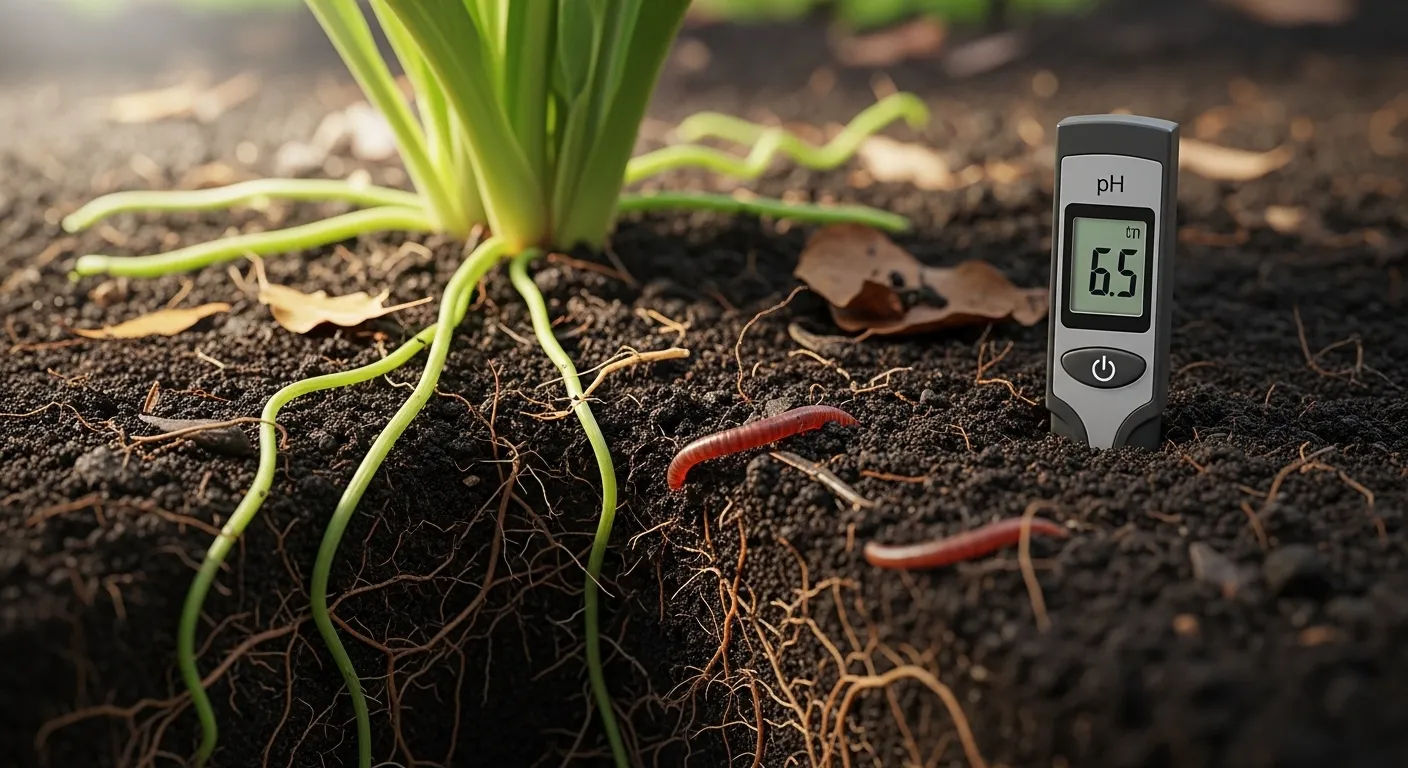
Alright, let's get down to the nitty-gritty—why should you even care about adjusting ph in soil in the first place? Well, think of soil pH like the Goldilocks zone for your plants. Too acidic, and your veggies can't absorb nutrients properly. Too alkaline, and they're basically starvin' while sittin' at a buffet. Most plants prefer a pH between 6.0 and 7.0, but some are divas with specific preferences. Blueberries? They're the drama queens of the garden world, demandin' super acidic soil around 4.5-5.5. Lavender? Total opposite—loves it alkaline and dry. When you're adjusting ph in soil, you're basically bein' a matchmaker between your plants and their perfect soil conditions. Get it right, and you'll have blooms that'll make the neighbors jealous. Get it wrong, and you'll be wonderin' why your tomatoes taste like cardboard.
What Is the Fastest Way to Adjust Soil pH?
So you've tested your soil and realized it's all wrong for what you're tryin' to grow. Panic mode activated! But don't worry—we've got your back. The fastest way to lower pH (make soil more acidic) is by addin' elemental sulfur or aluminum sulfate. Sulfur works its magic in about 2-3 months, while aluminum sulfate acts almost immediately but can be harsh on plants if you overdo it. For raisin' pH (makin' soil more alkaline), hydrated lime is your best bet—it works within weeks compared to regular garden lime which takes months. But here's the kicker: speed ain't always better. Rapid adjusting ph in soil can shock your plants, so it's usually smarter to go slow and steady. Unless you're in a real hurry, then yeah, reach for the fast-acting stuff—but be careful not to burn your precious green babies.
What Are the 4 Ways of Modifying Soil pH Naturally?
If you're the type who prefers to keep things organic and natural (and honestly, who doesn't these days?), there are four main ways to modify soil pH without reachin' for the chemicals. First up: compost. This black gold not only improves soil structure but also helps buffer pH naturally over time. Second: coffee grounds—every gardener's secret weapon for lowerin' pH. Just sprinkle 'em around acid-loving plants like blueberries and azaleas. Third: pine needles and oak leaves, which break down slowly to acidify soil. And fourth: wood ash from your fireplace, which can raise pH for plants that prefer alkaline conditions. These methods for adjusting ph in soil might take longer than chemical amendments, but they're gentler on your plants and the environment. Plus, they're basically free if you're already compostin' or drinkin' coffee!
Testing Your Soil pH: Tools and Methods That Actually Work
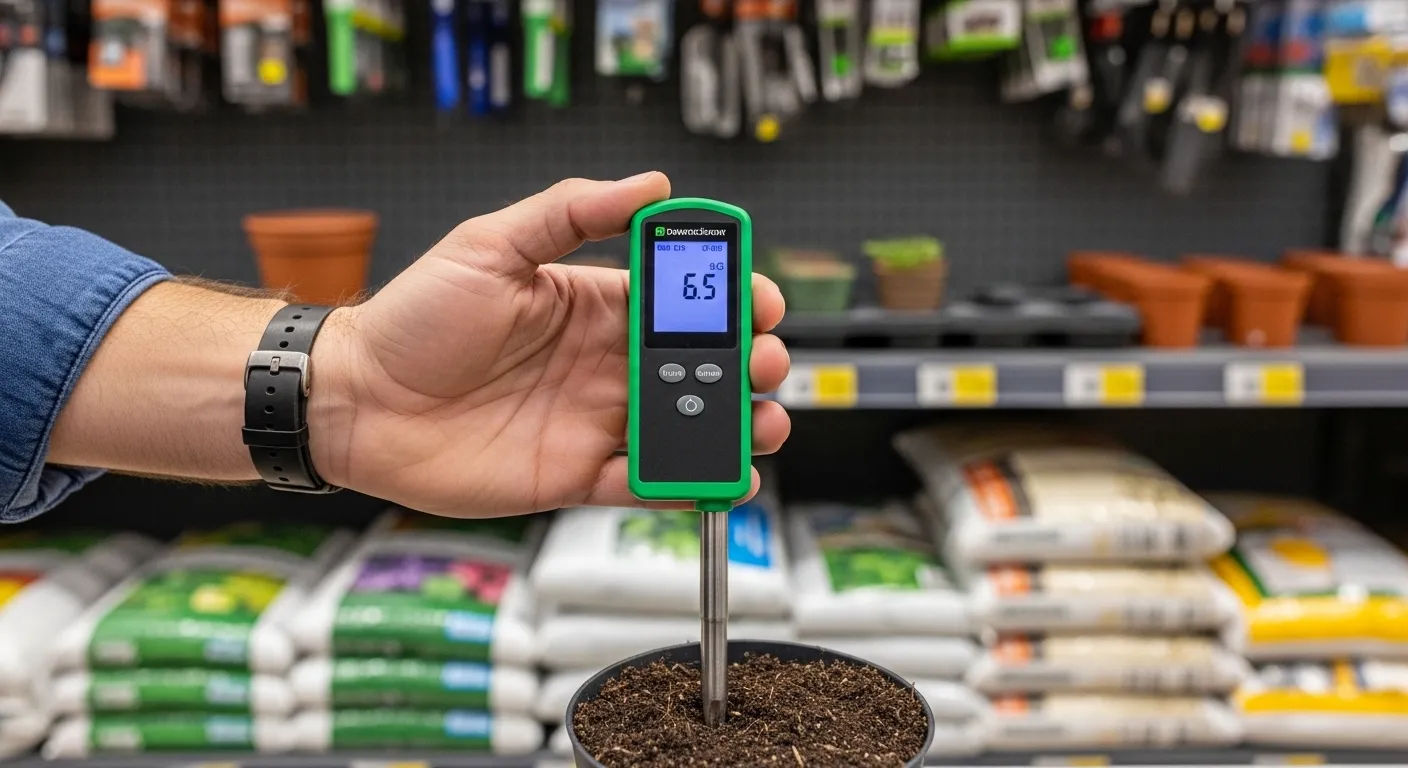
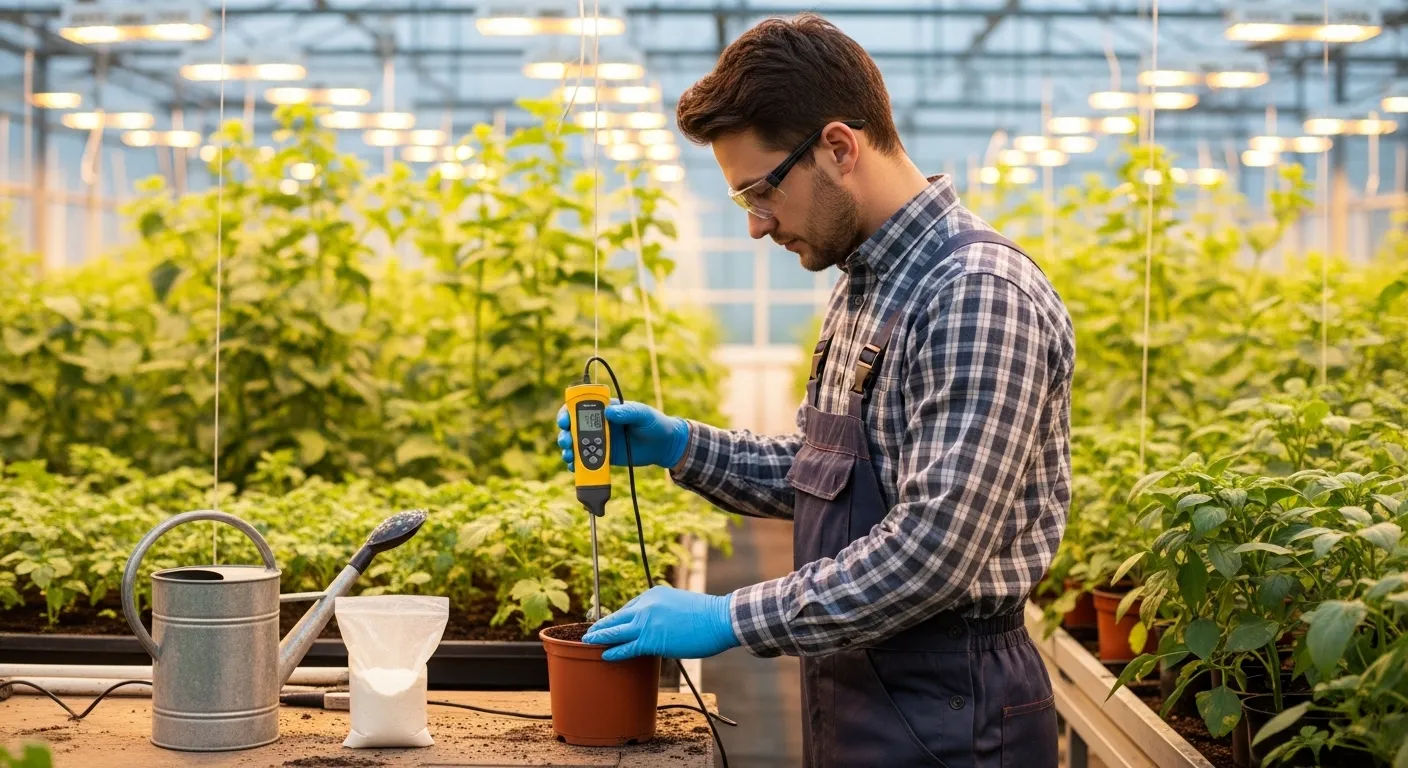
Before you start adjusting ph in soil, you gotta know what you're workin' with, right? You can't fix what you don't measure! There are a few ways to test your soil pH, each with its own pros and cons. The cheapest option is those little test kits from the garden center—they cost about $10-15 USD and give you a rough idea. For more accuracy, digital pH meters run about $25-50 USD and give instant readings (just make sure to calibrate 'em regularly). But if you really want to know what's goin' on down there, send a sample to your local cooperative extension service. They'll give you a detailed analysis for around $15-30 USD, including nutrient levels and specific recommendations for adjusting ph in soil. Pro tip: test multiple spots in your garden, 'cause pH can vary even within the same yard. Don't just test where it's convenient—get a real picture of what you're workin' with.
How Much Sulfur to Add to Lower pH: The Math Made Simple
Alright, let's talk numbers—'cause when you're adjusting ph in soil with sulfur, guessin' ain't gonna cut it. The general rule of thumb is: for every 100 square feet of garden space, you'll need about 1 pound of elemental sulfur to lower pH by one full point. So if your soil's at 7.5 and you want to get it down to 6.5 for those blueberries, you're lookin' at roughly 1 pound per 100 square feet. But wait—there's more! Sandy soils need less sulfur (about 0.75 pounds per point), while clay soils need more (up to 1.5 pounds per point). And if you're workin' with a huge area, you might wanna break it into multiple applications over several months rather than dumpin' it all at once. Remember, slow and steady wins the race when adjusting ph in soil—your plants will thank you for not shockin' their systems all at once.
How to Make Soil pH Go Down for Acid-Loving Plants
If you're growin' plants that prefer acidic soil (think blueberries, rhododendrons, camellias, or potatoes), you'll need to know how to make that soil pH go down. The most reliable method is elemental sulfur, which soil bacteria convert into sulfuric acid over time. Apply it in early spring or fall, work it into the top 6 inches of soil, and water it in well. For quicker results, aluminum sulfate works almost immediately but can be harsh—use about 1/3 the amount you would for elemental sulfur. Organic options include peat moss (mix 2-3 inches into the soil), coffee grounds (sprinkle around plants monthly), and pine bark mulch (which breaks down slowly to acidify). When adjusting ph in soil downward, remember that it's easier to lower pH gradually than to fix it if you go too far. Start with smaller amounts and retest after a few weeks—you can always add more, but you can't take it away once it's in there!
Raising Soil pH: When and How to Make Soil More Alkaline
Not all plants want acidic soil—some actually prefer it on the alkaline side! If you're growin' veggies like asparagus, cabbage, or spinach, or flowers like lavender, lilacs, or clematis, you might need to raise your soil pH. The go-to amendment for this is garden lime (calcium carbonate), which works slowly over several months. For faster results, try hydrated lime (calcium hydroxide), but be careful—it's more potent and can burn plants if overapplied. Wood ash from your fireplace is another option, though it's less predictable in its effects. When adjusting ph in soil upward, the general guideline is 5-10 pounds of garden lime per 100 square feet to raise pH by one point. But again, soil type matters—heavier clay soils need more lime than sandy soils. And always apply lime in fall if possible, so it has time to work before spring planting season.
Common Mistakes to Avoid When Adjusting Soil pH
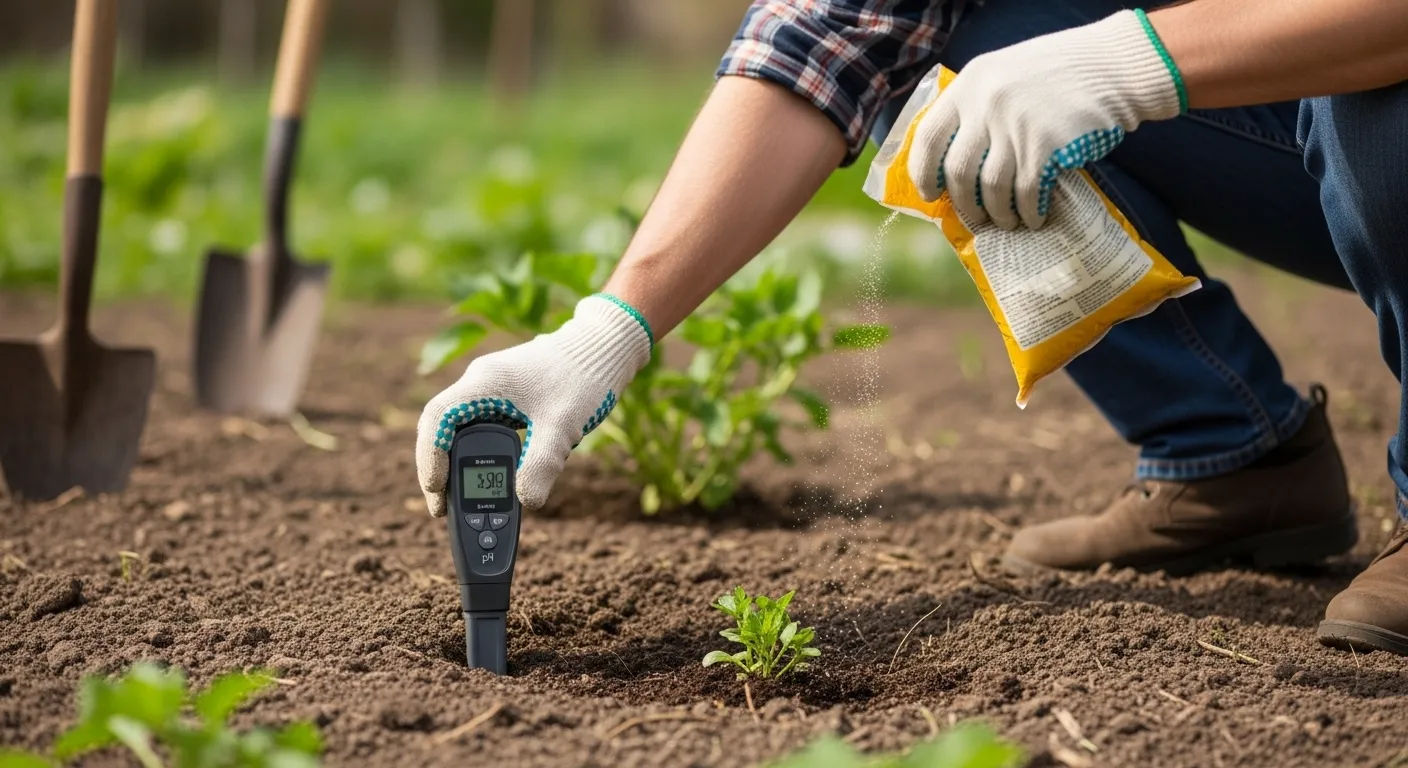
Let's be real—when you're first learnin' about adjusting ph in soil, it's easy to make some rookie mistakes. One big one? Over-applying amendments. It's better to add too little and retest than to dump a whole bag of sulfur and regret it later. Another common error: not testing your soil first. You can't adjust what you don't measure, so don't just guess based on what your neighbor did! Also, avoid applyin' pH amendments right before heavy rain—they'll just wash away before doin' any good. And here's a sneaky one: forgettin' that pH adjustment takes time. If you add sulfur today, don't expect perfect blueberries tomorrow. It can take weeks or even months for the full effect to kick in. Patience, grasshopper! Finally, don't neglect the rest of your soil health—pH is important, but so are nutrients, organic matter, and proper drainage. Adjusting ph in soil is just one piece of the gardening puzzle.
Seasonal Timing: When's the Best Time for pH Adjustments?
Timing is everything when it comes to adjusting ph in soil—get it wrong and you're basically wastin' your time and money. For most gardens, fall is the absolute best time to make pH adjustments. Why? 'Cause you've got months before spring planting for the amendments to work their magic, plus fall rains help distribute them evenly through the soil. Spring is the second-best option, but you'll need to use faster-acting products if you're plantin' soon. Avoid makin' major pH changes during summer heat or winter freezes—plants are already stressed enough without you messin' with their soil chemistry. And whatever you do, don't adjust pH right before or after plantin'—give your soil at least 2-3 weeks to settle before puttin' precious seedlings in the ground. When you're adjusting ph in soil, think long-term, not quick fixes.
More Gardening Wisdom and Soil Secrets to Explore
If you're diggin' deep into the world of adjusting ph in soil and want more gardening gold, you've come to the right place. Start by exploring our main hub at Potaday where we share practical gardening tips without the fluff. Dive into our complete Growing category for everything from seed starting to harvest time. And if you're curious about finding that perfect pH sweet spot for all your plants, don't miss our detailed guide on Best Ph For Soil Optimal Levels where we break down exactly what pH range each plant type craves for maximum growth and flavor.
Frequently Asked Questions
What is the fastest way to adjust soil pH?
The fastest way to lower soil pH is by using aluminum sulfate, which works almost immediately, though it can be harsh on plants. For raising pH quickly, hydrated lime acts within weeks compared to regular garden lime which takes months. However, rapid adjusting ph in soil can shock plants, so slower methods like elemental sulfur (2-3 months) or garden lime are generally safer for long-term garden health.
What are the 4 ways of modifying soil pH?
The four main ways of modifying soil pH naturally include: 1) Adding compost to buffer pH gradually, 2) Using coffee grounds to lower pH for acid-loving plants, 3) Incorporating pine needles and oak leaves which break down to acidify soil, and 4) Applying wood ash to raise pH for alkaline-preferring plants. These organic methods for adjusting ph in soil are gentler than chemical amendments but take longer to show results.
How much sulfur to add to lower pH?
For adjusting ph in soil with sulfur, use approximately 1 pound of elemental sulfur per 100 square feet to lower pH by one full point. Sandy soils require less (about 0.75 pounds per point) while clay soils need more (up to 1.5 pounds per point). Always apply in multiple smaller applications over several months rather than all at once, and retest soil pH after 4-6 weeks to determine if additional applications are needed.
How to make soil pH go down?
To make soil pH go down when adjusting ph in soil, use elemental sulfur (1 pound per 100 sq ft per pH point), aluminum sulfate for faster results (use 1/3 the amount of sulfur), or organic options like peat moss (mix 2-3 inches into soil), coffee grounds (sprinkle monthly), or pine bark mulch. Apply amendments in early spring or fall, work into top 6 inches of soil, water thoroughly, and retest after several weeks to monitor progress.
References
- https://www.rhs.org.uk
- https://extension.uga.edu
- https://www.gardeningknowhow.com
- https://www.almanac.com