Hilling Potato Plants Yield Boost Tips
- 1.
What Exactly Is Hilling Potato Plants?
- 2.
Why Are Hilling Potatoes Important?
- 3.
When Should You Start Hilling Your Potatoes?
- 4.
How Do I Hill My Potatoes? Step-by-Step Guide
- 5.
Do You Cover the Bottom Leaves When Hilling Potatoes?
- 6.
Common Mistakes to Avoid When Hilling Potato Plants
- 7.
Alternative Methods: Straw Mulching vs. Traditional Soil Hilling
- 8.
How Often Should You Hill Potato Plants?
- 9.
Maximizing Your Harvest Through Smart Hilling Practices
Table of Contents
hilling potato plants
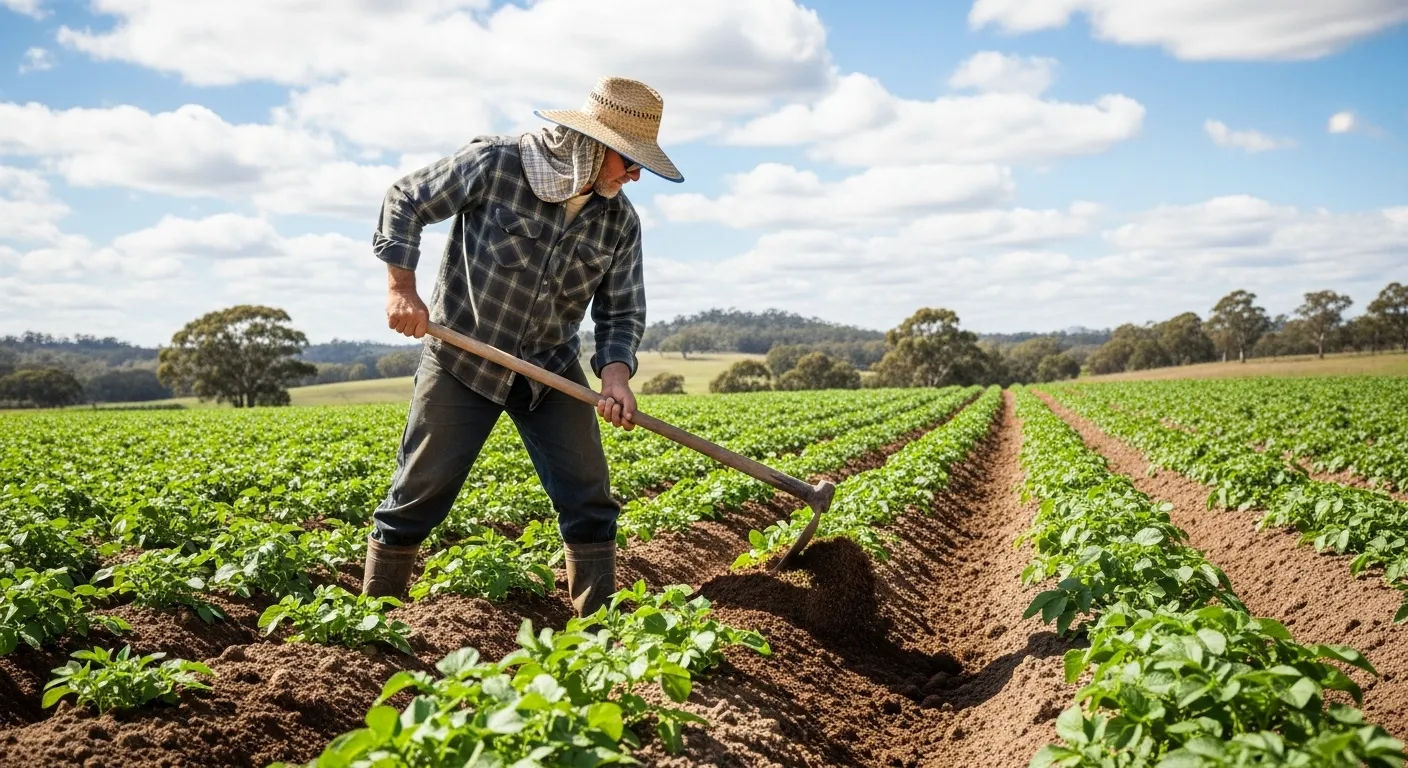
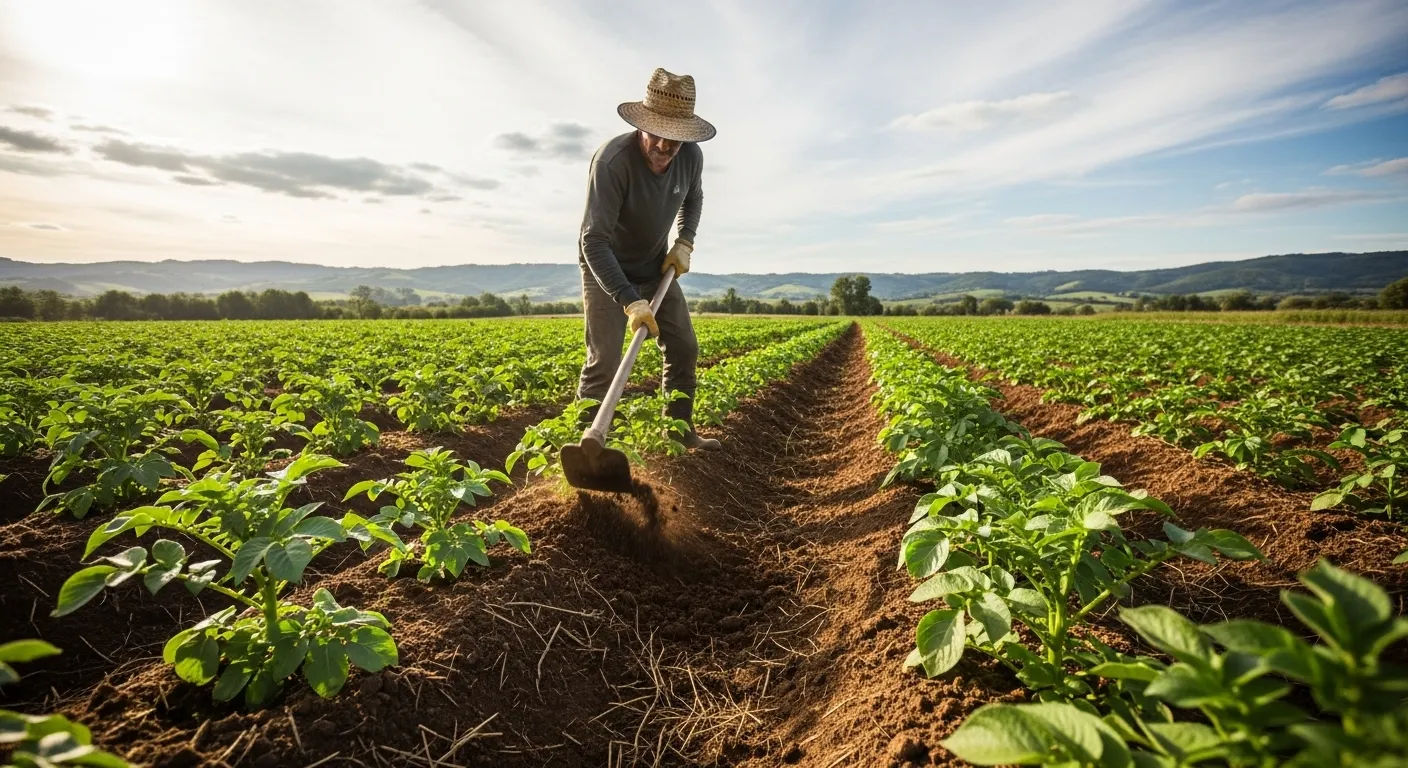
Ever looked at your potato patch and wondered if those spuds are throwing a rave underground while you're just standing Ever looked at your spuds halfway through the season and thought, “Y’all look like you’re trying to escape the soil”? Yeah, that’s your cue. Because if you’re not hilling potato plants, you’re basically letting your future fries walk away—literally. Potatoes are sneaky little tubers that’ll peek out of the ground, catch some sun, and turn green (and mildly toxic, by the way). But don’t sweat it—hilling potato plants isn’t rocket science. It’s dirt, sweat, and a bit of old-school gardening wisdom passed down from folks who knew how to make a meal outta nothing but soil and sunshine. So grab your boots, your hoe, and maybe a cold lemonade—we’re diving into the art, science, and soul of hilling potato plants. Hilling potato plants is the practice of mounding soil (or straw, or compost) around the base of growing potato stems as they reach skyward. Think of it like tucking your spuds in with a cozy dirt blanket—but one that also encourages more tubers to form. Every time you hill, you’re giving the plant more underground real estate to grow new potatoes. It’s not just about keeping them covered; it’s about multiplying your harvest. And honestly? It’s kinda magical. You start with a few seed pieces, and with consistent hilling potato plants, you end up with buckets full of buttery Yukon Golds or earthy Russets. That’s the beauty of hilling potato plants: simple action, massive payoff. Let’s get real: skipping hilling potato plants is like baking cookies but forgetting the chocolate chips. Technically, you’ve got something… but it ain’t what you signed up for. First off, exposure to sunlight turns potato skins green due to solanine—a natural toxin that can cause nausea or worse if eaten in large amounts. Second, unhilled plants produce fewer tubers because they lack the dark, moist environment needed for new spuds to form along the buried stem. Third, hilling improves drainage and reduces the risk of rot in wet weather. In short, hilling potato plants = safer, bigger, healthier yields. It’s not optional—it’s essential. Here’s the cool part: potatoes don’t just grow from the original seed piece. New tubers form along the stem wherever it’s buried in darkness. So when you hill potato plants, you’re essentially extending the “productive zone” of the plant. Studies show that properly hilled plants can yield up to 30–50% more potatoes than those left flat. That’s not just extra fries—that’s extra meals, extra storage, extra joy. And all it takes is a little elbow grease every couple of weeks. Now that’s what we call smart farming. Timing’s everything, y’all. You don’t want to hill too early—before the shoots break ground—and you definitely don’t want to wait until the whole plant’s flopping over like it’s had one too many. The sweet spot? When your potato plants are about 6 to 8 inches tall. That’s usually 3–5 weeks after planting, depending on your climate and variety. At that point, gently mound soil around the base, leaving just the top few inches of leaves exposed. This first hilling sets the stage. Then, every 2–3 weeks as the plant grows, you’ll repeat—always keeping about 4–6 inches of foliage above the mound. That rhythm? That’s the heartbeat of hilling potato plants. Alright, boots on—let’s do this. First, water your patch lightly so the soil’s workable but not muddy. Grab a hoe, rake, or even your hands (we won’t judge). Starting from the row edges, pull loose soil toward the center of the plant, building a ridge about 4–6 inches high. Keep the mound firm but not compacted—you want air and water to still reach the roots. Leave the top leaves breathing! Repeat this every time the plant grows another 6 inches. Pro tip: if you’re short on soil, use straw or shredded leaves—it works just as well and keeps weeds down. That’s the low-down on hilling potato plants: easy, effective, and oddly satisfying. You don’t need fancy gear—just something that moves dirt. Here’s what works: No matter your tool, the goal’s the same: protect, encourage, and multiply. That’s the mantra of hilling potato plants. Ah, the million-dollar question. Short answer: nope. You should never bury the entire plant. Always leave at least 4–6 inches of healthy green leaves sticking out the top. Those leaves are your plant’s solar panels—they’re photosynthesizing like crazy to feed those underground tubers. If you cover them, you’re basically starving your spuds. That said, it’s totally fine if a few lower leaves get tucked under during hilling potato plants. They’ll yellow and drop off naturally. Just don’t smother the crown. Think of it like giving your plant a high collar—not a turtleneck. We’ve all been there: overeager, muddy-kneed, and accidentally burying half the garden. But with hilling potato plants, a few slip-ups can cost you spuds. Don’t hill when the soil’s soggy—it compacts and suffocates roots. Don’t wait until vines are sprawling—it’s harder to mound without damaging stems. And please, for the love of mashed potatoes, don’t use fresh manure in your hills—it can burn plants and introduce disease. Stick to clean, loose soil or organic mulch. Oh, and don’t skip hilling altogether thinking “they’ll be fine.” Spoiler: they won’t. Consistency is key with hilling potato plants. Not everyone’s got deep, loamy soil—and that’s okay. Enter straw mulching, a no-dig method beloved by lazy geniuses (affectionate term). Instead of mounding dirt, you lay thick layers of straw (8–12 inches) around emerging plants. As they grow, keep adding straw. The tubers form right in the mulch—clean, easy to harvest, and weed-free. Bonus: it conserves moisture and keeps soil temps cool. While traditional hilling potato plants with soil gives slightly higher yields in ideal conditions, straw hilling is perfect for rocky yards, raised beds, or anyone who hates bending over. Both honor the spirit of hilling potato plants: protect and expand. It depends! In a University of Maine trial, soil-hilled plots averaged 2.1 lbs per plant, while straw-mulched yielded 1.8 lbs—close enough that convenience often wins. Plus, straw-grown spuds are cleaner at harvest, saving hours on scrubbing. So if you’re short on soil or long on back pain, straw hilling potato plants might be your soulmate. Generally, you’ll hill potato plants 2–3 times per season. First at 6–8 inches tall, second when they hit 12 inches, and a final touch-up if they keep growing. Some vigorous varieties might need a fourth, but most top out around 18–24 inches. The rule? Hill whenever you see more than 6 inches of new growth above the last mound. Stop once the plants flower—that’s when tuber bulking begins, and you don’t want to disturb the roots. Regular hilling potato plants ensures maximum tuber formation without stressing the plant near harvest. Want next-level results? Pair hilling potato plants with these pro tips: rotate crops yearly to avoid disease, water deeply but infrequently (1–2 inches per week), and side-dress with compost tea during hilling for extra nutrients. Also, label your rows—because nothing’s sadder than digging up mystery spuds in October. And remember: the best hilling potato plants technique is the one you actually do. Consistency beats perfection every time. So whether you’re using a tractor or a teaspoon, just keep those stems covered and your eyes on the prize: a cellar full of homegrown goodness. If you’re hungry for more dirt wisdom, swing by Pota Day for seasonal guides and community tips. Explore our full Growing section for everything from seed selection to storage hacks. And don’t miss our beginner-friendly walkthrough: How Do You Hill Potatoes: Easy Techniques—because everyone starts somewhere, and your future self will thank you for getting hilling potato plants right. To hill your potatoes, wait until plants are 6–8 inches tall, then gently mound loose soil or straw around the base, leaving 4–6 inches of foliage exposed. Repeat every 2–3 weeks as the plant grows. This process of hilling potato plants encourages more tuber formation and prevents greening from sun exposure. No—you should never fully bury the plant. While a few lower leaves may get covered during hilling potato plants, always leave at least 4–6 inches of healthy green leaves above the mound to ensure proper photosynthesis and plant health. Start hilling your potatoes when the plants are about 6 to 8 inches tall, typically 3–5 weeks after planting. This initial hilling is crucial for establishing a strong foundation, and you’ll continue hilling potato plants every 2–3 weeks as they grow taller. Hilling potatoes is important because it prevents tubers from turning green and toxic due to sun exposure, increases yield by encouraging tuber formation along buried stems, improves drainage, and suppresses weeds. Proper hilling potato plants is essential for a safe, abundant harvest.hilling potato plants
What Exactly Is Hilling Potato Plants?
Why Are Hilling Potatoes Important?
The Science Behind the Mound
When Should You Start Hilling Your Potatoes?
How Do I Hill My Potatoes? Step-by-Step Guide
Tools of the Trade for Effortless Hilling
Do You Cover the Bottom Leaves When Hilling Potatoes?
Common Mistakes to Avoid When Hilling Potato Plants
Alternative Methods: Straw Mulching vs. Traditional Soil Hilling
Which Method Gives Better Yield?
How Often Should You Hill Potato Plants?
Maximizing Your Harvest Through Smart Hilling Practices
Where to Learn More About Growing Spuds Like a Pro
Frequently Asked Questions
How do I hill my potatoes?
Do you cover the bottom leaves when hilling potatoes?
When should you start hilling your potatoes?
Why are hilling potatoes important?
References