How Do You Hill Potatoes Easy Techniques
- 1.
Ever Found Yourself Staring at Potato Plants Wondering What the Heck "Hilling" Even Means?
- 2.
The "Aha!" Moment: What Exactly Does Hilling Your Potatoes Mean?
- 3.
Gearing Up: What Tools Do You Actually Need?
- 4.
The Perfect Timing: When Should You Start Hilling?
- 5.
Step-by-Step: The Actual Process of Hilling Potatoes
- 6.
To Cover or Not to Cover: The Great Potato Leaf Debate
- 7.
Multiple Rounds: How Many Times Can You Hill Potatoes?
- 8.
Alternative Materials: Is Straw Good for Hilling Potatoes?
- 9.
Troubleshooting Common Hilling Mistakes
- 10.
Maximizing Your Potato Harvest Through Proper Hilling
Table of Contents
how do you hill potatoes
Ever Found Yourself Staring at Potato Plants Wondering What the Heck "Hilling" Even Means?
Picture this: you're out in your garden, dirt under your fingernails, sweat trickling down your forehead, and you're looking at these potato plants that are starting to get all leggy and tall. You remember hearing something about "hilling" potatoes from your grandpa or maybe that gardening show you half-watched while eating cereal at 2 AM. But what does that even mean? Are we building tiny mountains around our spuds? Do we need special equipment? Well, grab a cold drink and pull up a chair, because we're about to break down how do you hill potatoes in a way that won't make you feel like you need a PhD in agronomy. Trust us, by the end of this, you'll be hilling potatoes like it's your job—and maybe even enjoying it!
The "Aha!" Moment: What Exactly Does Hilling Your Potatoes Mean?
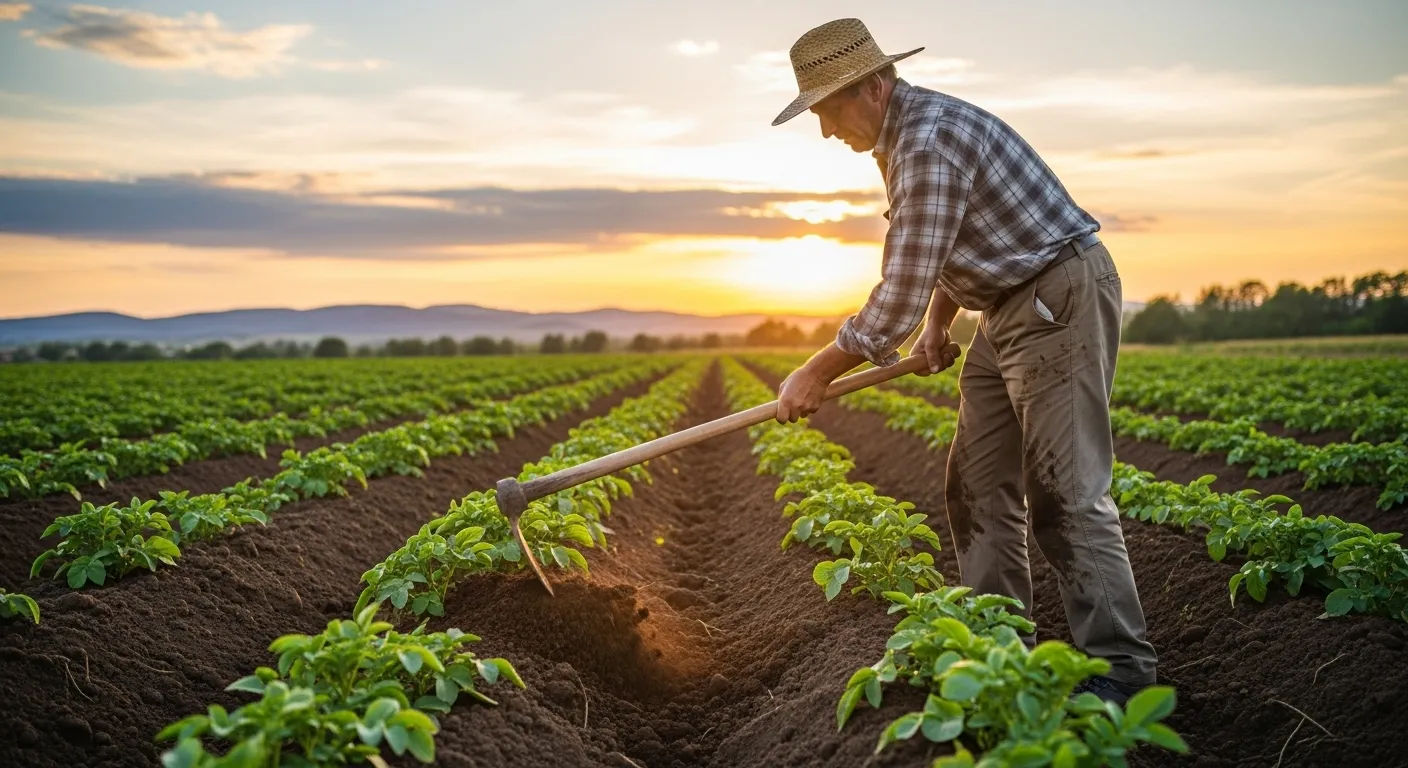
Alright, let's get down to brass tacks. When folks ask how do you hill potatoes, they're really asking about this simple but super important technique where you pile soil up around the base of your potato plants as they grow. Think of it like giving your potatoes a cozy blanket made of dirt. The main goal here is to encourage the plant to produce more potatoes underground while protecting the developing tubers from sunlight, which can turn them green and toxic. It's basically the potato plant's version of getting tucked in at night, except instead of a blanket, it's good ol' fashioned soil. Understanding how do you hill potatoes is like unlocking a secret level in the gardening game—it's not complicated, but it makes all the difference in your harvest.
Gearing Up: What Tools Do You Actually Need?
Here's the beautiful thing about learning how do you hill potatoes—you don't need fancy equipment or expensive gadgets. A simple garden hoe, a rake, or even just your hands will do the trick. Some folks swear by specialized hilling tools, but honestly, that's like buying a $200 knife to cut bread when your grandma's old kitchen knife works just fine. The key is having something that can move soil efficiently without damaging the plants. For smaller gardens, your hands might actually be the best tool since you can be more precise and gentle. When you're figuring out how do you hill potatoes, remember that simplicity is your friend—this is old-school gardening wisdom that's been passed down for generations because it just works.
The Perfect Timing: When Should You Start Hilling?
Timing is everything when it comes to how do you hill potatoes, and this is where a lot of folks get tripped up. You want to start hilling when your potato plants are about 6-8 inches tall, which usually happens a few weeks after they've sprouted. Don't wait too long, or you'll risk damaging the stems and roots when you try to pile up the soil. The sweet spot is when the plants are sturdy enough to handle a little soil movement but still young enough that you're not working around a jungle of foliage. Getting the timing right for how do you hill potatoes is like catching a wave—you want to hit it at just the right moment for the best results. Most gardeners find themselves doing their first hilling about 3-4 weeks after planting, depending on their climate and potato variety.
Step-by-Step: The Actual Process of Hilling Potatoes
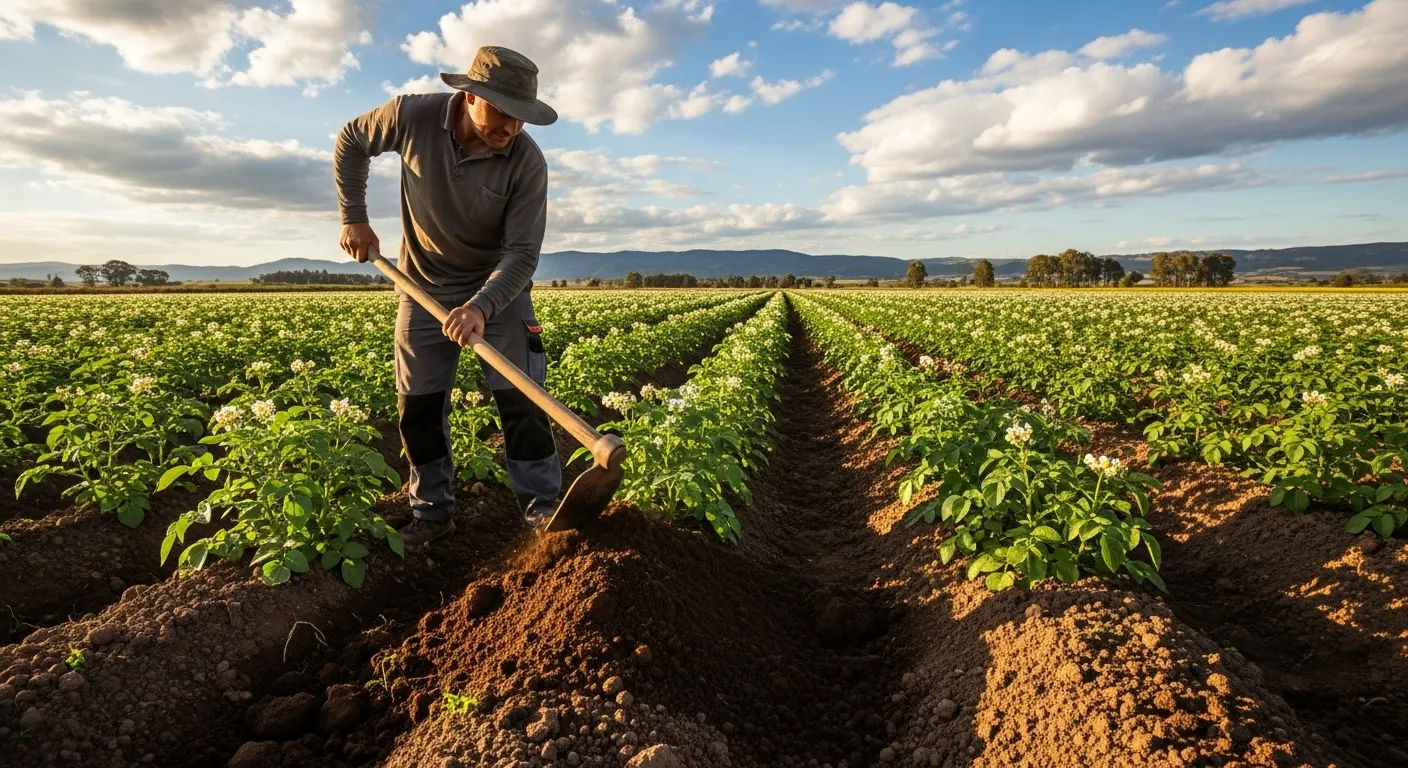
Now for the main event—actually doing the hilling! When you're ready to tackle how do you hill potatoes, start by gently loosening the soil around the base of each plant with your hoe or hands. Then, carefully pull soil up from between the rows and mound it around the stems, leaving about 2-3 inches of the plant exposed. You want to create a nice little hill that's about 4-6 inches high. The key here is being gentle—you don't want to yank or damage the stems. Think of it like tucking your kids into bed; you want to be firm enough to keep them secure but gentle enough not to wake them up. Mastering how do you hill potatoes is all about finding that balance between being thorough and being careful.
To Cover or Not to Cover: The Great Potato Leaf Debate
Here's a question that comes up a lot when people are learning how do you hill potatoes: should you cover the leaves? The short answer is no, you definitely don't want to bury the foliage completely. Those leaves are what's photosynthesizing and feeding your developing potatoes underground. When you're figuring out how do you hill potatoes, always leave at least 2-3 inches of the plant sticking out of the soil. The leaves need sunlight to do their job, and if you cover them up, you're basically starving your future potato harvest. It's like trying to charge your phone while it's still in your pocket—you need to expose it to the energy source! This is one of those common mistakes in how do you hill potatoes that can really hurt your yield if you're not careful.
Multiple Rounds: How Many Times Can You Hill Potatoes?
You might be wondering, "Is hilling a one-and-done deal?" Absolutely not! When you're mastering how do you hill potatoes, plan on doing it 2-3 times throughout the growing season. After your first hilling, wait until the plants grow another 6-8 inches and then hill them again. You can usually get away with 2-3 hilling sessions total before the plants get too big and bushy to work around comfortably. Each hilling encourages more potato production and provides better protection for the tubers. The beauty of how do you hill potatoes is that it's a progressive process—you're building up that soil protection gradually as your plants grow taller and stronger. Just remember not to get too aggressive with your final hilling; you want to avoid damaging those precious potato-producing roots.
Alternative Materials: Is Straw Good for Hilling Potatoes?
Now, here's where things get interesting. While traditional soil hilling is the classic approach to how do you hill potatoes, some gardeners swear by using straw instead. And you know what? They've got a point! Straw hilling has some serious advantages: it's lighter and easier to work with, it helps retain moisture, and it can reduce weed growth around your plants. Plus, when harvest time comes, you can just pull back the straw instead of digging through soil. However, straw doesn't provide quite the same level of protection against sunlight exposure, so you might need to layer it thicker. When you're exploring different approaches to how do you hill potatoes, straw is definitely worth considering, especially if you have heavy clay soil or mobility issues that make traditional hilling difficult.
Troubleshooting Common Hilling Mistakes
Let's be real—nobody gets how do you hill potatoes perfect on the first try. We've all made mistakes, like hilling too early and burying the plants completely, or waiting too long and damaging the stems. One common error is hilling too aggressively and compacting the soil around the plants, which can restrict root growth and reduce your yield. Another mistake is not hilling enough times throughout the season, which means you're missing out on potential potato production. When you're learning how do you hill potatoes, remember that it's okay to make mistakes—that's how we learn and improve. The important thing is to pay attention to how your plants respond and adjust your technique accordingly. Even experienced gardeners are constantly refining their approach to how do you hill potatoes.
Maximizing Your Potato Harvest Through Proper Hilling
At the end of the day, all this talk about how do you hill potatoes comes down to one thing: getting the best possible harvest from your garden. Proper hilling can literally double or even triple your potato yield compared to just planting and forgetting. It's the difference between harvesting a sad little basket of spuds and having enough potatoes to feed your family through the winter (plus some to share with neighbors). When you really nail how do you hill potatoes, you're not just following a gardening technique—you're participating in a tradition that's been feeding families for centuries. Ready to put your new knowledge to work? Start with the homepage of Potaday, explore our Growing section for more tips, or check out our detailed guide on When Should You Hill Potatoes Timing Advice for even more insights into perfecting your potato game.
Frequently Asked Questions
Do you cover the leaves when hilling potatoes?
No, you should never completely cover the leaves when hilling potatoes. When learning how do you hill potatoes, always leave 2-3 inches of the plant exposed above the soil. The leaves need sunlight for photosynthesis to feed the developing tubers underground. Covering the foliage completely would starve your potato plants and significantly reduce your harvest. The key to successful how do you hill potatoes technique is finding the right balance between protecting the tubers and allowing the plant to continue growing.
How many times can you hill potatoes?
You can typically hill potatoes 2-3 times throughout the growing season. The first hilling should occur when plants are 6-8 inches tall, and subsequent hillings should happen every time the plants grow another 6-8 inches. Understanding how do you hill potatoes involves recognizing that multiple hillings encourage greater tuber production and provide better protection. However, avoid hilling too aggressively during the final session to prevent damage to the established root system that's producing your potatoes.
What does it mean to hill your potatoes?
Hilling potatoes means piling soil up around the base of the growing plants to encourage tuber production and protect developing potatoes from sunlight exposure. When you're learning how do you hill potatoes, you're essentially creating a protective mound of soil that allows the plant to produce more potatoes underground while preventing them from turning green and toxic. This technique is fundamental to successful potato cultivation and can significantly increase your harvest yield compared to simply planting and leaving the potatoes alone.
Is straw good for hilling potatoes?
Yes, straw can be an excellent alternative material for hilling potatoes. When exploring different approaches to how do you hill potatoes, straw offers several advantages including easier application, better moisture retention, and reduced weed growth. However, straw doesn't provide quite the same level of sunlight protection as soil, so you may need to apply it more thickly. Many gardeners find that straw hilling makes harvest easier since you can simply pull back the straw rather than digging through soil to find your potatoes.
References
- https://www.almanac.com/gardening/planting-guide/potatoes
- https://extension.umn.edu/planting-and-growing-guides/growing-potatoes-home-garden
- https://www.rhs.org.uk/vegetables/potatoes/grow
- https://extension.psu.edu/potatoes