Root Nematode Control Garden Solutions
- 1.
What Are Root Nematodes and Why Should Gardeners Care?
- 2.
Identifying the Enemy: Signs and Symptoms of Root Nematode Infestation
- 3.
The Life Cycle of Root-Knot Nematodes: Understanding Their Weaknesses
- 4.
How to Get Rid of Root Nematodes: Cultural Control Methods
- 5.
Biological Control Options for Root Nematode Management
- 6.
What Pesticide Kills Root-Knot Nematodes? Chemical Solutions Explored
- 7.
How Do You Chemically Control Root-Knot Nematodes? Application Techniques
- 8.
How to Control Nematodes in Tomatoes: Crop-Specific Strategies
- 9.
Prevention Is Better Than Cure: Long-Term Root Nematode Control Strategies
- 10.
Monitoring and Evaluating Your Root Nematode Control Success
Table of Contents
root nematode control
What Are Root Nematodes and Why Should Gardeners Care?
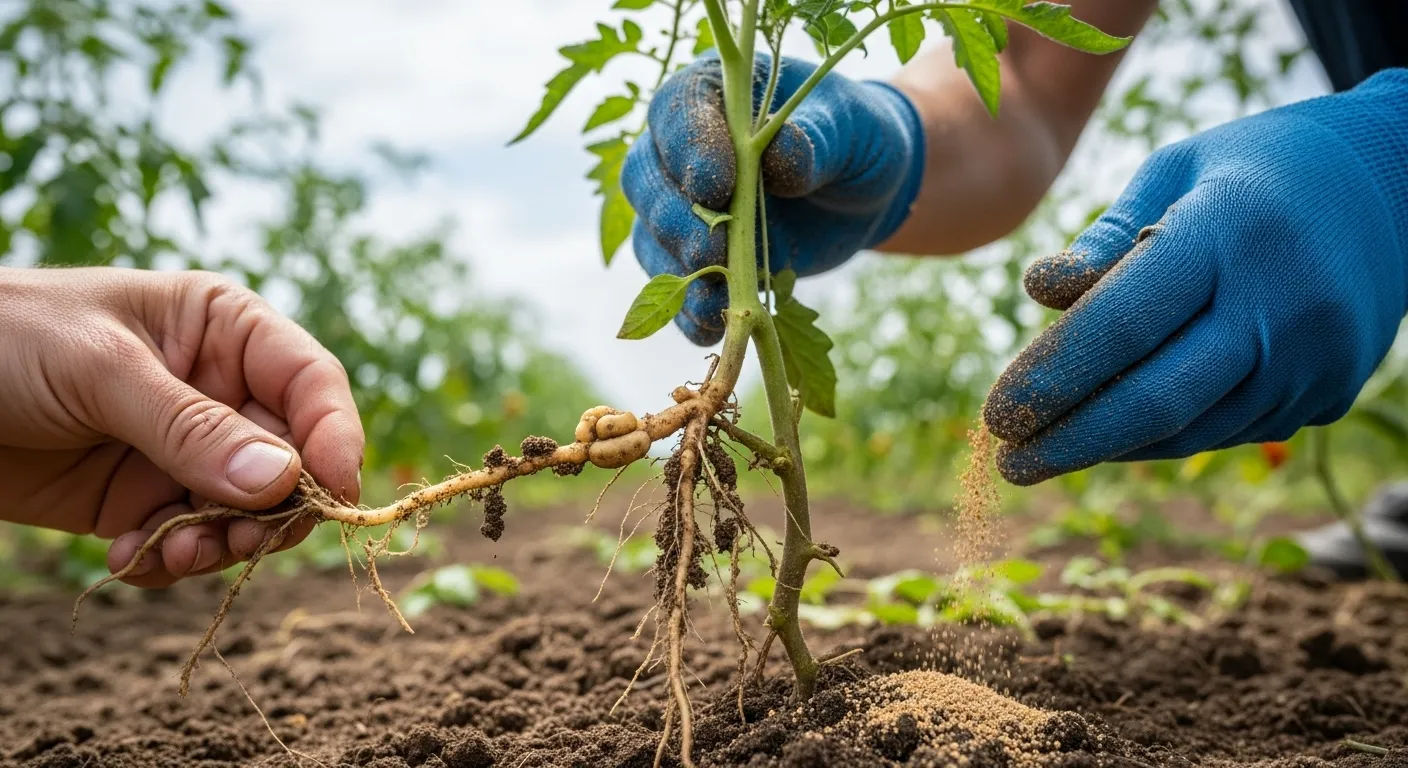
Ever pulled up a tomato plant expecting juicy red fruits, only to find a tangled mess of knobby, swollen roots that look like they've been through a blender? Yeah, we've been there too, and let me tell ya, it ain't a pretty sight. Those little bumps are the calling card of root nematodes, specifically root-knot nematodes, and they're basically the uninvited houseguests of the gardening world. These microscopic roundworms are so tiny you need a microscope to see 'em, but their damage? Oh, that's visible alright. They invade plant roots, set up shop, and start sipping nutrients like they own the place. The result? Stunted growth, yellow leaves, and plants that just can't seem to thrive no matter how much love you give 'em. Understanding root nematode control isn't just about saving your current crop—it's about protecting your soil's future and keeping your garden dreams alive.
Identifying the Enemy: Signs and Symptoms of Root Nematode Infestation
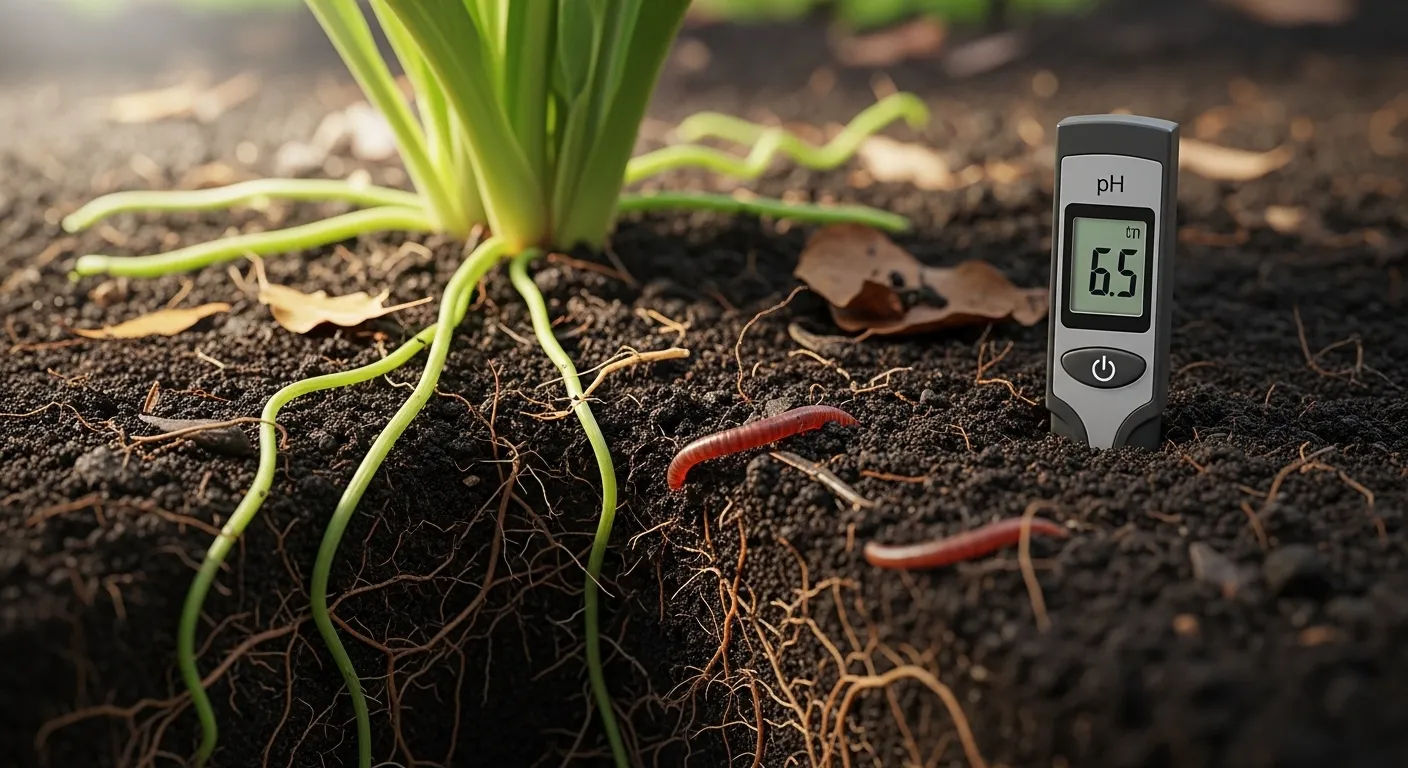
So how do you know if those pesky root nematodes have moved into your garden? Well, for starters, your plants might start acting like they're having a bad day—every day. You'll notice wilting even when the soil's moist, yellowing leaves that refuse to green up, and overall stunted growth that makes your plants look like they've hit a growth spurt plateau. But the real smoking gun? Those gnarly, knotted roots we mentioned earlier. When you pull up an affected plant (gently, now), you'll see swollen areas called galls where the nematodes have been feasting and reproducing. It's like finding tiny tumors on your plant's root system. Other telltale signs include reduced yields, poor fruit quality, and plants that just seem weaker than their neighbors. Catching these symptoms early is crucial for effective root nematode control, because once these critters get comfortable, they're harder to evict than a freeloading cousin after Thanksgiving.
The Life Cycle of Root-Knot Nematodes: Understanding Their Weaknesses
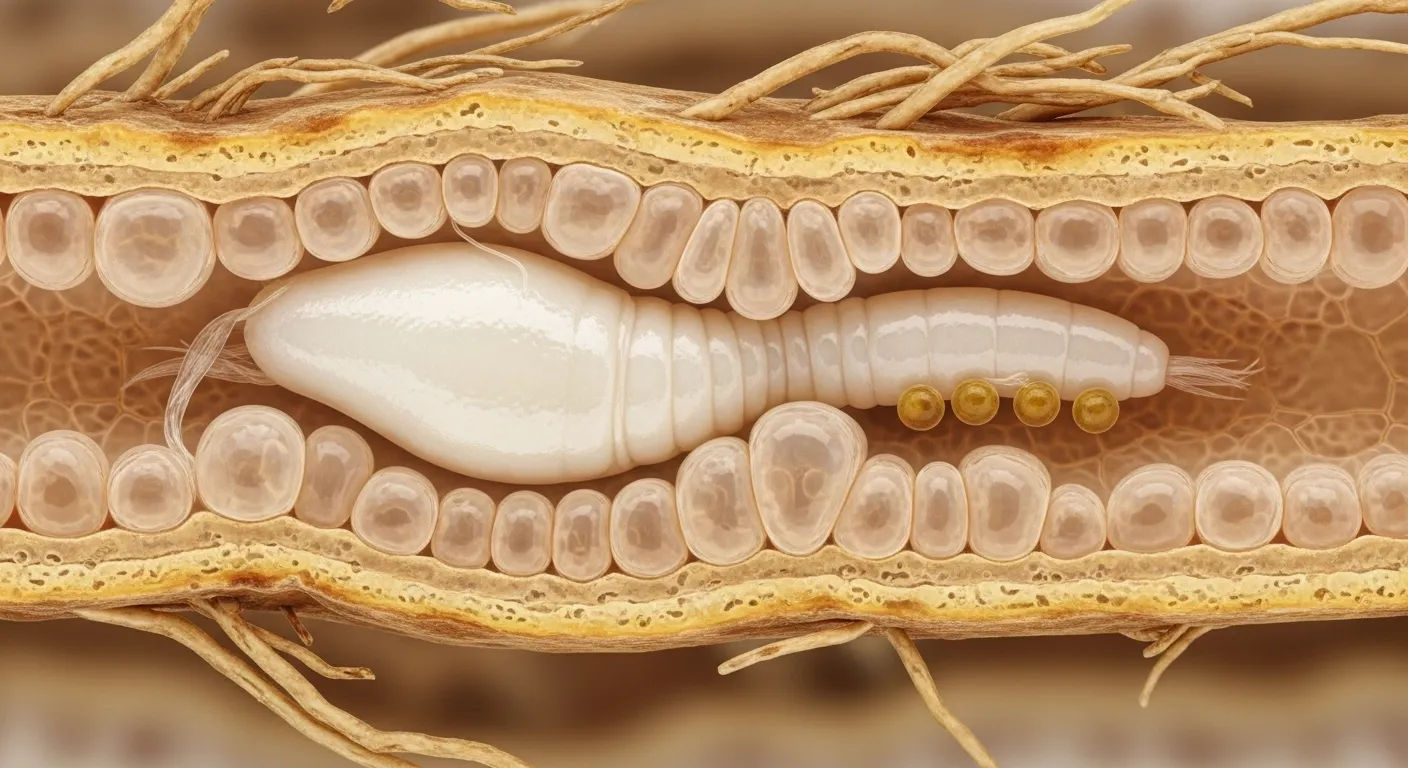
Here's the thing about root nematodes—they're not immortal (thank goodness), and knowing their life cycle is like getting the cheat codes for root nematode control. These little buggers start as eggs in the soil, hatch into juveniles, then invade plant roots where they mature into adults. The females swell up like tiny pearls, lay hundreds of eggs, and the cycle continues. The whole process can take as little as 3-4 weeks in warm weather, which explains why infestations can explode faster than you can say "garden party." But here's their Achilles' heel: they're soil-dwellers. They can't survive long without host plants, and they're sensitive to temperature extremes and certain soil conditions. This knowledge is power, folks. By disrupting their life cycle—through crop rotation, soil solarization, or introducing beneficial organisms—we can break their hold on our gardens without resorting to nuclear options. It's like playing chess with microscopic worms, and we're determined to win.
How to Get Rid of Root Nematodes: Cultural Control Methods
Alright, let's get down to brass tacks—how do you actually get rid of these root nematodes without going full chemical warfare? First up: crop rotation. These nematodes are picky eaters, so rotating susceptible crops (like tomatoes, peppers, and cucumbers) with non-host plants (like corn, wheat, or marigolds) can starve 'em out. Speaking of marigolds—specifically French marigolds (Tagetes patula)—these aren't just pretty faces. They release compounds called alpha-terthienyl that are toxic to nematodes. Plant a solid stand of 'em, let 'em grow for a season, then till 'em under, and watch those root nematode control numbers drop. Another ace up our sleeve? Soil solarization. Cover moist soil with clear plastic during the hottest months, and you'll cook those nematodes like eggs on a sidewalk. Temperatures can reach 120°F+ just a few inches down, which is basically nematode Armageddon. It's cheap, organic, and surprisingly effective if you've got the patience to wait 4-6 weeks.
Biological Control Options for Root Nematode Management
Ever heard of fighting fire with fire? Well, in the world of root nematodes, we fight worms with worms—and fungi, and bacteria. Biological control is like assembling your own microscopic Avengers team to take down the nematode villains. Take Paecilomyces lilacinus, for instance—a fungus that parasitizes nematode eggs like a scene from a sci-fi horror movie (but in a good way). Then there's Bacillus firmus, a bacterium that basically gives nematodes indigestion so bad they can't feed properly. And let's not forget beneficial nematodes like Steinernema and Heterorhabditis species—these guys are the Navy SEALs of the soil world, hunting down and eliminating their root-knot cousins. Products containing these biological warriors typically cost $25-$50 USD per application, depending on your garden size, but they're worth every penny for sustainable root nematode control. Plus, they're safe for pets, kids, and beneficial insects—unlike some chemical alternatives that leave us feeling queasy.
What Pesticide Kills Root-Knot Nematodes? Chemical Solutions Explored
Let's address the elephant in the room: what pesticide kills root-knot nematodes? Historically, chemicals like methyl bromide and fenamiphos were the go-to solutions, but many have been phased out due to environmental and health concerns. Nowadays, options are more limited but still effective when used responsibly. Products containing abamectin, fluopyram, or oxamyl can provide good root nematode control, but they're typically restricted-use pesticides requiring professional application. For home gardeners, look for products with azadirachtin (derived from neem oil) or saponins (from soapberry plants)—these are less toxic but still pack a punch against nematodes. Always read labels carefully, follow application rates to the letter, and remember that chemical control should be a last resort, not a first response. Your soil microbiome will thank you later, and honestly, so will your conscience.
How Do You Chemically Control Root-Knot Nematodes? Application Techniques
If you've decided chemical root nematode control is necessary for your situation, proper application is everything. These aren't like fertilizers you can just sprinkle around willy-nilly. Most nematicides need to be applied directly to the root zone where the nematodes are hanging out. For granular products, use a spreader set to the recommended rate, then water thoroughly to move the chemical into the soil profile. Liquid formulations often require soil injection or drenching—think of it like giving your soil a medicinal bath. Timing matters too: early morning or late evening applications reduce volatilization and maximize effectiveness. And here's a pro tip: always apply chemicals when soil moisture is adequate but not saturated. Dry soil won't absorb properly, while waterlogged soil can cause runoff and environmental contamination. Remember, the goal of chemical root nematode control isn't to sterilize your soil—it's to reduce populations to manageable levels while preserving beneficial organisms.
How to Control Nematodes in Tomatoes: Crop-Specific Strategies
Tomatoes and root nematodes have a particularly nasty relationship—like oil and water, but way more destructive. If you're battling nematodes in your tomato patch, resistant varieties should be your first line of defense. Look for cultivars labeled with "VFN" resistance, where the "N" stands for nematode resistance. Varieties like 'Better Boy,' 'Celebrity,' and 'Roma' have built-in defenses that make them less appealing to these microscopic moochers. Grafting susceptible heirloom varieties onto resistant rootstock is another clever workaround—best of both worlds! For existing plantings, try deep planting: bury two-thirds of the stem when transplanting, encouraging new roots to form above the nematode-infested zone. Mulching with straw or compost helps maintain consistent soil moisture and temperature, which stressed plants desperately need. And don't forget companion planting—basil, garlic, and chives can help repel nematodes naturally. These targeted root nematode control strategies can mean the difference between a bumper crop and a total bust.
Prevention Is Better Than Cure: Long-Term Root Nematode Control Strategies
Here's the golden rule of gardening: an ounce of prevention is worth a pound of cure, especially when it comes to root nematodes. Start with clean planting material—never introduce infested transplants or contaminated soil into your garden. Use sterilized potting mix for seedlings, and quarantine new plants before adding them to established beds. Maintain healthy soil with plenty of organic matter; nematodes prefer poor, compacted soils, so regular compost applications create an environment where beneficial organisms thrive and nematodes struggle. Practice good sanitation: remove and destroy infected plant debris promptly, and clean tools between uses to avoid spreading nematodes from bed to bed. Consider installing physical barriers like landscape fabric or raised beds with fresh soil for high-value crops. These preventative root nematode control measures might seem like extra work upfront, but they'll save you heartache (and money) down the road. Trust us on this one.
Monitoring and Evaluating Your Root Nematode Control Success
So you've implemented your root nematode control plan—now what? How do you know if it's working? Regular monitoring is key. Every few weeks during the growing season, gently dig up a few plants and examine their roots for galls. Keep a garden journal noting plant vigor, yield, and any symptoms you observe. Consider sending soil samples to a nematode testing lab (many universities offer this service for $15-$30 USD) to get actual population counts. Track your progress over multiple seasons; nematode management is a marathon, not a sprint. Celebrate small victories: fewer galls, better yields, healthier plants. And don't be afraid to adjust your strategy if needed—maybe that marigold rotation needs extending, or perhaps it's time to try a different biological control product. Remember, perfect root nematode control might be elusive, but significant improvement is absolutely achievable. For more gardening wisdom, visit Potaday, explore our Growing section, or dive into our detailed guide on Root Nematode Treatment: Effective Remedies.
Frequently Asked Questions
How to get rid of root nematodes?
To get rid of root nematodes, implement integrated root nematode control strategies including crop rotation with non-host plants, soil solarization using clear plastic during hot months, planting nematode-resistant varieties, and incorporating biological controls like beneficial fungi and bacteria. Cultural practices such as maintaining healthy soil with organic matter, practicing good sanitation, and using physical barriers can significantly reduce nematode populations without resorting to harsh chemicals.
What pesticide kills root-knot nematodes?
Several pesticides can kill root-knot nematodes, including products containing abamectin, fluopyram, or oxamyl for professional use. Home gardeners can use less toxic options like azadirachtin (neem oil extract) or saponin-based products. However, chemical root nematode control should be considered a last resort after cultural and biological methods have been exhausted, as pesticides can harm beneficial soil organisms and pose environmental risks if not used properly.
How do you chemically control root-knot nematodes?
Chemical control of root-knot nematodes involves applying nematicides directly to the root zone using proper techniques such as soil injection, drenching, or granular application followed by thorough watering. Timing is critical—apply during early morning or evening when soil moisture is adequate. Always follow label instructions precisely, use appropriate protective equipment, and consider chemical root nematode control as part of an integrated pest management approach rather than a standalone solution.
How to control nematodes in tomatoes?
To control nematodes in tomatoes, start with resistant varieties labeled "VFN," practice crop rotation with non-host plants, and consider grafting heirlooms onto resistant rootstock. Use deep planting techniques to encourage new root growth above infested soil zones, mulch heavily to maintain soil moisture, and interplant with nematode-repelling companions like marigolds, garlic, or basil. These targeted root nematode control strategies can significantly reduce damage and improve tomato yields even in nematode-prone soils.
References
- https://www.ncbi.nlm.nih.gov/pmc/articles/PMC4563602/
- https://www.apsnet.org/edcenter/disandpath/nematode/pdlessons/Pages/RootKnot.aspx
- https://www.extension.org/pages/73165/root-knot-nematodes-in-home-gardens#.Y5XZvXbMKUk
- https://www.sciencedirect.com/science/article/pii/S0261219416301663