Root Nematode Treatment Effective Remedies
- 1.
Meet the Unwanted Guests: Understanding Root-Knot Nematodes
- 2.
Symptoms Check: Is It Really Nematodes or Just Bad Luck?
- 3.
Prevention: The Best Medicine is Never Getting Sick
- 4.
Organic Arsenal: Going Chemical-Free Against the Tiny Terrors
- 5.
Chemical Warfare: When You Need to Bring Out the Big Guns
- 6.
Soil Solarization: Using the Sun as Your Secret Weapon
- 7.
Resistant Varieties: Working Smarter, Not Harder
- 8.
Timing Matters: When to Treat and When to Wait
- 9.
Putting It All Together: Your Step-by-Step Action Plan
Table of Contents
root nematode treatment
Meet the Unwanted Guests: Understanding Root-Knot Nematodes
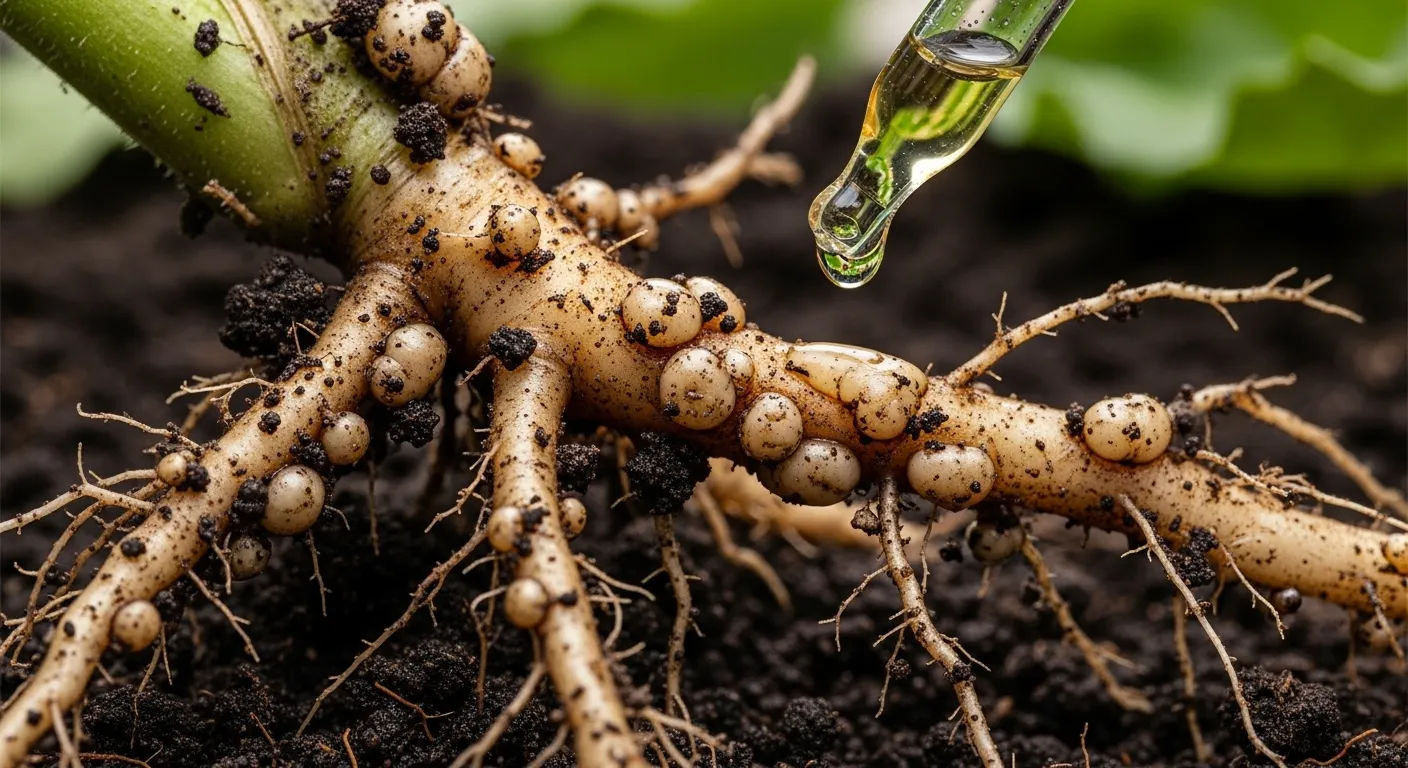
First things first—let's get to know the culprits behind all this rooty drama. Root-knot nematodes (Meloidogyne spp.) are these microscopic roundworms that are basically the ninjas of the soil world. You can't see 'em with the naked eye, but boy, you'll sure see what they do. They invade plant roots, set up shop, and start munching away while laying eggs like there's no tomorrow. The result? Those telltale galls or knots on roots that mess with your plant's ability to suck up water and nutrients. It's like having tiny squatters in your house who eat all your food and clog your pipes—except way more annoying because you can't just call the cops on 'em. Understanding the enemy is step one in any solid root nematode treatment plan.
Symptoms Check: Is It Really Nematodes or Just Bad Luck?
Before you go blaming nematodes for everything wrong in your garden (we've all been there), let's make sure we're pointing fingers at the right culprit. Plants with root-knot nematode infestations typically show stunted growth, yellowing leaves that look like they've given up on life, and wilting even when the soil's moist. The smoking gun? Those knobby, distorted roots we mentioned earlier. But here's the kicker—these symptoms can also be caused by nutrient deficiencies, poor drainage, or even just bad soil karma. So don't go crying nematode until you've actually dug up a plant and seen those characteristic galls. Proper diagnosis is crucial before jumping into any root nematode treatment because you don't want to nuke your soil for nothing.
Prevention: The Best Medicine is Never Getting Sick
Y'all ever heard the saying "an ounce of prevention is worth a pound of cure"? Well, whoever said that probably had a nematode problem at some point. The truth is, once nematodes are established in your soil, they're like that cousin who moves in for "just a few days" and never leaves. Prevention is your best bet. Start with clean, nematode-free soil and transplants—don't just grab dirt from your neighbor's yard because it looks nice (we've all been tempted). Rotate your crops like you're changing outfits for different occasions; nematodes are picky eaters, so if you keep switching up what you plant, they'll get confused and move on. Marigolds? Plant 'em everywhere. These pretty little flowers release compounds that nematodes absolutely despise. It's like putting up a "No Vacancy" sign in nematode language. Prevention is the foundation of any effective root nematode treatment strategy.
Organic Arsenal: Going Chemical-Free Against the Tiny Terrors
Alright, so you've got nematodes and you're not about to douse your garden in chemicals that could make your tomatoes taste like regret. We get it—organic root nematode treatment is where it's at. Let's break down your natural options:
- Beneficial Nematodes: Wait, what? Using nematodes to fight nematodes? Yep, it's like hiring a bouncer to kick out the troublemakers. These good guys (Steinernema and Heterorhabditis species) hunt down and kill the root-knot variety without harming your plants.
- Neem Cake: This stuff is basically nematode kryptonite. Mix it into your soil and watch those little pests pack their bags.
- Compost Tea: Brew up some compost tea and drench your soil. The beneficial microbes will outnumber and outcompete the nematodes faster than you can say "garden party."
- Mustard Cover Crops: Plant mustard as a cover crop, let it grow, then till it under. The compounds it releases will fumigate the soil naturally. It's like a spa day for your dirt, but deadly for nematodes.
Organic methods might take a bit longer, but they're gentle on your soil ecosystem and won't make you feel guilty about what you're putting in the ground. Plus, your neighbors won't think you're running some kind of secret chemical lab in your backyard.
Chemical Warfare: When You Need to Bring Out the Big Guns
Sometimes, y'all, organic just ain't enough. Maybe you inherited a garden that's been nematode central for years, or maybe you're dealing with a commercial operation where time is money. That's when you might need to consider chemical root nematode treatment. Now, we're not saying go wild with the pesticides—far from it. But there are some options that can give you a fighting chance:
| Product Type | Description | Approx. Price |
|---|---|---|
| Fumigants (like metam sodium) | Professional use only, requires soil injection | $50-$100 USD per gallon |
| Nematicides (abamectin, oxamyl) | Restricted use, follow label carefully | $30-$60 USD per quart |
| Biopesticides (Bacillus firmus) | Organic-approved, safer for home use | $20-$40 USD per pound |
Important disclaimer: Many chemical nematicides are restricted-use products that require a license to apply. Don't go playing cowboy with this stuff—read the labels, follow the instructions, and when in doubt, call a professional. Your soil (and your conscience) will thank you.
Soil Solarization: Using the Sun as Your Secret Weapon
Here's a trick that sounds too good to be true but actually works like a charm: soil solarization. Basically, you're using the power of the sun to cook those nematodes right out of your soil. Here's how it works—you moisten the soil (wet soil conducts heat better), cover it with clear plastic sheeting, and let the sun do its thing for 4-6 weeks during the hottest part of summer. The soil temperature can reach 120-140°F (49-60°C) at the surface, which is basically a death sentence for nematodes and a bunch of other soil pests. It's free, it's organic, and it feels kinda satisfying to know you're using Mother Nature's own oven to solve your problems. Just make sure you do this during peak summer months—trying to solarize in October is like trying to tan in a snowstorm. Timing is everything with this root nematode treatment method.
Resistant Varieties: Working Smarter, Not Harder
Sometimes the best way to win a fight is to not get in it in the first place. Many plant breeders have developed nematode-resistant varieties of popular crops, and these bad boys have built-in defenses that make nematodes go "nah, I'm good." Look for varieties labeled with "N" or "NR" after their name—that's the code for nematode resistance. Tomatoes are the classic example; you've got options like 'Better Boy,' 'Celebrity,' and 'Roma' that can handle nematode pressure like champs. Same goes for peppers, squash, and even some fruit trees. Planting resistant varieties is like giving your garden a suit of armor before the battle even starts. It's not a cure for existing infestations, but it's a crucial part of any long-term root nematode treatment strategy.
Timing Matters: When to Treat and When to Wait
Here's something that trips up a lot of gardeners—you can't just treat for nematodes whenever the mood strikes. Timing is everything. Most root nematode treatment methods work best when nematodes are active and vulnerable, which is typically during the growing season when soil temperatures are between 60-85°F (15-29°C). That's why soil solarization needs to happen in peak summer, and why beneficial nematodes should be applied when the soil is warm but not scorching. As for your question about applying nematodes in October—well, it depends on where you live. In warmer climates (USDA zones 8-10), October might still be warm enough for beneficial nematodes to be effective. But in cooler regions, you're probably better off waiting until spring. The key is to check your soil temperature; if it's below 55°F (13°C), hold off on most treatments. Patience, grasshopper.
Putting It All Together: Your Step-by-Step Action Plan
Okay, let's get practical. You've got nematodes, you're ready to fight back, and you want a clear game plan. Here's what we'd recommend for a comprehensive root nematode treatment approach:
- Confirm the diagnosis: Dig up affected plants and check for those characteristic root galls.
- Remove and destroy: Pull up heavily infested plants and don't compost them—bag 'em and trash 'em.
- Solarize if possible: If it's summer, cover the affected area with clear plastic for 4-6 weeks.
- Amend the soil: Work in plenty of compost and organic matter to encourage beneficial microbes.
- Plant resistant varieties: Choose nematode-resistant cultivars for your next planting.
- Introduce beneficial nematodes: Apply these good guys to keep the bad ones in check.
- Rotate crops: Don't plant susceptible crops in the same spot year after year.
- Monitor regularly: Keep an eye on your plants and check roots periodically.
Remember, root nematode treatment isn't a one-and-done deal—it's an ongoing process. But stick with it, and you'll see improvement over time. For more gardening wisdom and pest control tips, swing by the homepage at Potaday. Want to dive deeper into growing techniques? Our Growing section has got your back. And if you're looking for more specific nematode solutions, don't miss our detailed guide on Treatment For Root Knot Nematode Safe Options.
Frequently Asked Questions
How do you treat root nematodes?
Treating root nematodes requires a multi-pronged approach. Start with soil solarization during hot months to kill nematodes with heat, then amend soil with compost and organic matter. Apply beneficial nematodes to control pest populations, plant nematode-resistant varieties, and practice crop rotation. For severe infestations, consider biopesticides like Bacillus firmus or, as a last resort, chemical nematicides following label instructions carefully. Consistent root nematode treatment over multiple seasons yields the best results.
Can I apply nematodes in October?
Applying beneficial nematodes in October depends on your climate and soil temperature. Beneficial nematodes work best when soil temperatures are between 60-85°F (15-29°C). In warmer regions (USDA zones 8-10), October may still be suitable for application. However, in cooler climates where soil temperatures drop below 55°F (13°C), it's better to wait until spring. Always check your soil temperature before applying any root nematode treatment involving live organisms.
What pesticide kills root-knot nematodes?
Several pesticides can kill root-knot nematodes, but many are restricted-use products. Chemical options include abamectin, oxamyl, and fenamiphos (though many are being phased out). Biopesticides like Bacillus firmus (sold as VOTiVO) offer a safer alternative. Fumigants like metam sodium provide broad-spectrum control but require professional application. For home gardeners, the safest approach is combining cultural controls with biological root nematode treatment methods rather than relying solely on chemical pesticides.
What temperature kills root-knot nematodes?
Root-knot nematodes are killed when exposed to temperatures above 104°F (40°C) for extended periods. Soil solarization can achieve temperatures of 120-140°F (49-60°C) at the surface, which effectively eliminates nematodes in the top 6-12 inches of soil. For complete control, maintain these high temperatures for 4-6 weeks during peak summer months. Freezing temperatures below 32°F (0°C) can also kill nematodes, but they may survive by moving deeper into the soil profile. Temperature management is a key component of effective root nematode treatment.
References
- https://www.extension.org
- https://www.apsnet.org
- https://www.gardeningknowhow.com
- https://www.planetnatural.com