Treatment for Root Knot Nematode Safe Options

- 1.
What in the World Are Root-Knot Nematodes and Why Should We Care?
- 2.
How to Tell If You've Got Root-Knot Nematodes in Your Garden
- 3.
What Does Root-Knot Nematode Damage Actually Look Like?
- 4.
What Chemical Options Actually Kill Root-Knot Nematodes?
- 5.
Organic and Biological Treatment for Root Knot Nematode That Actually Work
- 6.
Soil Solarization: Using the Sun as Your Secret Weapon
- 7.
Crop Rotation and Resistant Varieties: Outsmarting Nematodes
- 8.
Soil Amendments That Create a Nematode-Unfriendly Environment
- 9.
Can You Apply Nematode Treatments in October? Timing Matters!
- 10.
Putting It All Together: Your Comprehensive Treatment Plan
Table of Contents
treatment for root knot nematode
What in the World Are Root-Knot Nematodes and Why Should We Care?
Ever pulled up a plant and thought, "Holy cow, what's with these weird lumpy roots that look like they've been working out?" Yeah, that's probably root-knot nematodes throwing a party in your soil—and they didn't invite you. These microscopic roundworms are basically the uninvited houseguests of the gardening world, setting up shop in your plant roots and causing all sorts of drama. We're talking stunted growth, yellow leaves, and plants that just can't seem to get their act together no matter how much you baby them. The treatment for root knot nematode isn't just about saving one plant—it's about protecting your entire garden ecosystem from these tiny troublemakers. Think of them as the garden equivalent of that one friend who crashes on your couch for three months and eats all your snacks. Annoying? Absolutely. Fixable? You bet your trowel it is.
How to Tell If You've Got Root-Knot Nematodes in Your Garden
Alright, let's play detective. The first clue in spotting a treatment for root knot nematode situation is, well, the roots themselves. If you gently dig up a struggling plant and see roots that look like they've been hitting the gym—swollen, knotted, lumpy—congratulations, you've found your culprit. But wait, there's more! Above ground, your plants might be showing signs like yellowing leaves (especially the older ones), stunted growth that makes you wonder if they forgot to eat their Wheaties, wilting even when the soil's moist, and overall just looking sad and defeated. The treatment for root knot nematode starts with proper identification because, let's be real, you can't fix what you don't know is broken. Sometimes the damage is so subtle you might blame it on bad soil or not enough sun, but those funky roots don't lie. Pro tip: if multiple plants in the same area are struggling while others nearby are thriving? Red flag, my friend. Red flag.
What Does Root-Knot Nematode Damage Actually Look Like?
Let's get visual here. Root-knot nematode damage isn't subtle once you know what to look for. Those characteristic galls or knots on roots can range from tiny pinhead-sized bumps to massive swellings that make roots look like they've been through a boxing match. The roots might appear stubby and branched weirdly, like someone took scissors to them. Above ground, plants look malnourished even with perfect care—leaves turn pale green to yellow, growth slows to a crawl, and fruits or vegetables might be smaller than usual or just plain disappointing. In severe cases, plants might die outright, especially young seedlings that don't have the reserves to fight back. When you're considering treatment for root knot nematode, recognizing these symptoms early is half the battle. It's like catching a cold before it becomes pneumonia—way easier to handle when you're proactive instead of reactive.
What Chemical Options Actually Kill Root-Knot Nematodes?
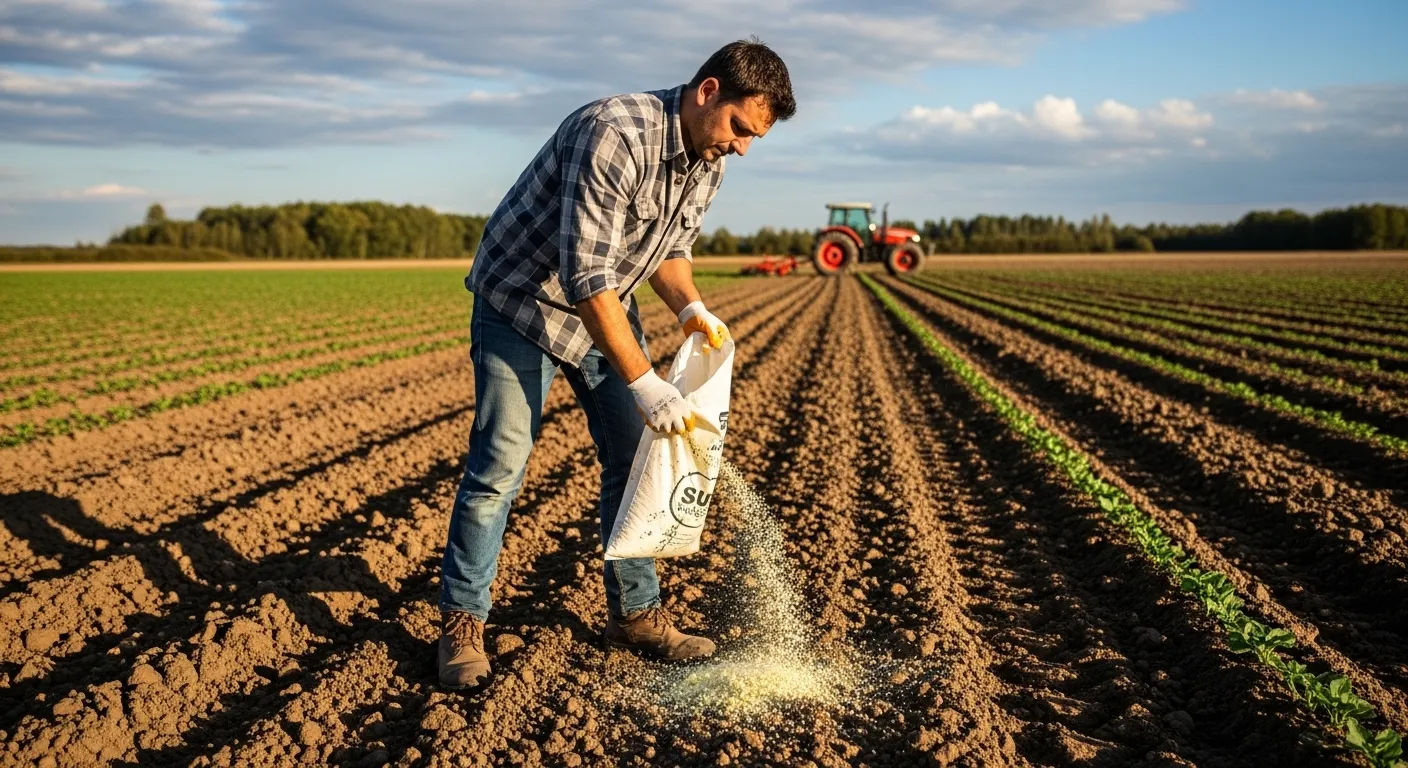
Okay, let's talk chemicals—but don't get too excited (or scared). The harsh reality is that many traditional nematicides are either banned, restricted, or just plain nasty for the environment (and your health). However, there are some chemical options still in the toolbox for treatment for root knot nematode. Abamectin-based products can be effective but require careful handling. Then there's fluopyram, which is gaining popularity among commercial growers. But here's the kicker: most effective chemical treatment for root knot nematode options aren't available to home gardeners, and for good reason—they're like using a bazooka to kill a mosquito. Overkill, dangerous, and likely to cause more problems than they solve. Plus, chemicals don't discriminate—they'll wipe out beneficial nematodes and other soil critters that actually help your garden thrive. So while chemicals exist, we're going to focus on solutions that won't make Mother Nature side-eye you at the next garden club meeting.
Organic and Biological Treatment for Root Knot Nematode That Actually Work
Now we're talking! The organic approach to treatment for root knot nematode is where the real magic happens. First up: beneficial nematodes. Wait, what? Yeah, you heard that right—good nematodes that hunt down and kill the bad ones. Products containing Steinernema or Heterorhabditis species are like sending in the Navy SEALs of the soil world. They seek out root-knot nematodes and take them out, no questions asked. Then there's neem cake or neem oil—nature's own pesticide that disrupts nematode reproduction without harming beneficial insects. Marigolds! Not just pretty faces, certain marigold varieties (Tagetes patula and Tagetes erecta) release compounds that are toxic to nematodes. Plant them as a cover crop or interplant with your veggies, and they'll help keep nematode populations in check. For treatment for root knot nematode, these organic methods might take a bit longer than chemicals, but they're sustainable, safe, and actually improve your soil health over time instead of wrecking it.

Soil Solarization: Using the Sun as Your Secret Weapon
This one's brilliant in its simplicity—harness the power of the sun to cook those nematodes right out of your soil. Soil solarization involves covering moist soil with clear plastic during the hottest months (think July-August in most places) and letting the sun's rays heat the soil to temperatures that nematodes just can't handle. We're talking 120-140°F at the surface, which penetrates several inches down. For effective treatment for root knot nematode, you'll need to leave that plastic on for 4-6 weeks minimum. The key is making sure the soil is moist before covering (water conducts heat better) and that the plastic is sealed tightly around the edges so heat doesn't escape. It's like giving your soil a spa day, but instead of cucumber slices and relaxing music, it's nematode genocide. Just remember—this only works in hot, sunny climates during peak summer. Trying this in October in Minnesota? Not gonna cut it, buddy.
Crop Rotation and Resistant Varieties: Outsmarting Nematodes
Sometimes the best treatment for root knot nematode is prevention through smart planting strategies. Crop rotation is your BFF here—don't plant susceptible crops in the same spot year after year. If tomatoes got hammered last year, plant something nematode-resistant like corn, onions, or garlic in that spot this year. Even better? Look for plant varieties labeled with "VFN" resistance—that means they're resistant to Verticillium wilt, Fusarium wilt, AND nematodes. Many modern tomato, pepper, and cucumber varieties have been bred specifically for nematode resistance. When you're planning your garden, checking for nematode-resistant varieties should be as automatic as checking the weather forecast. It's like giving your plants body armor before sending them into battle. And speaking of battle, keeping detailed garden records helps you track which areas have nematode problems so you can rotate accordingly. Knowledge is power, especially when dealing with treatment for root knot nematode.
Soil Amendments That Create a Nematode-Unfriendly Environment
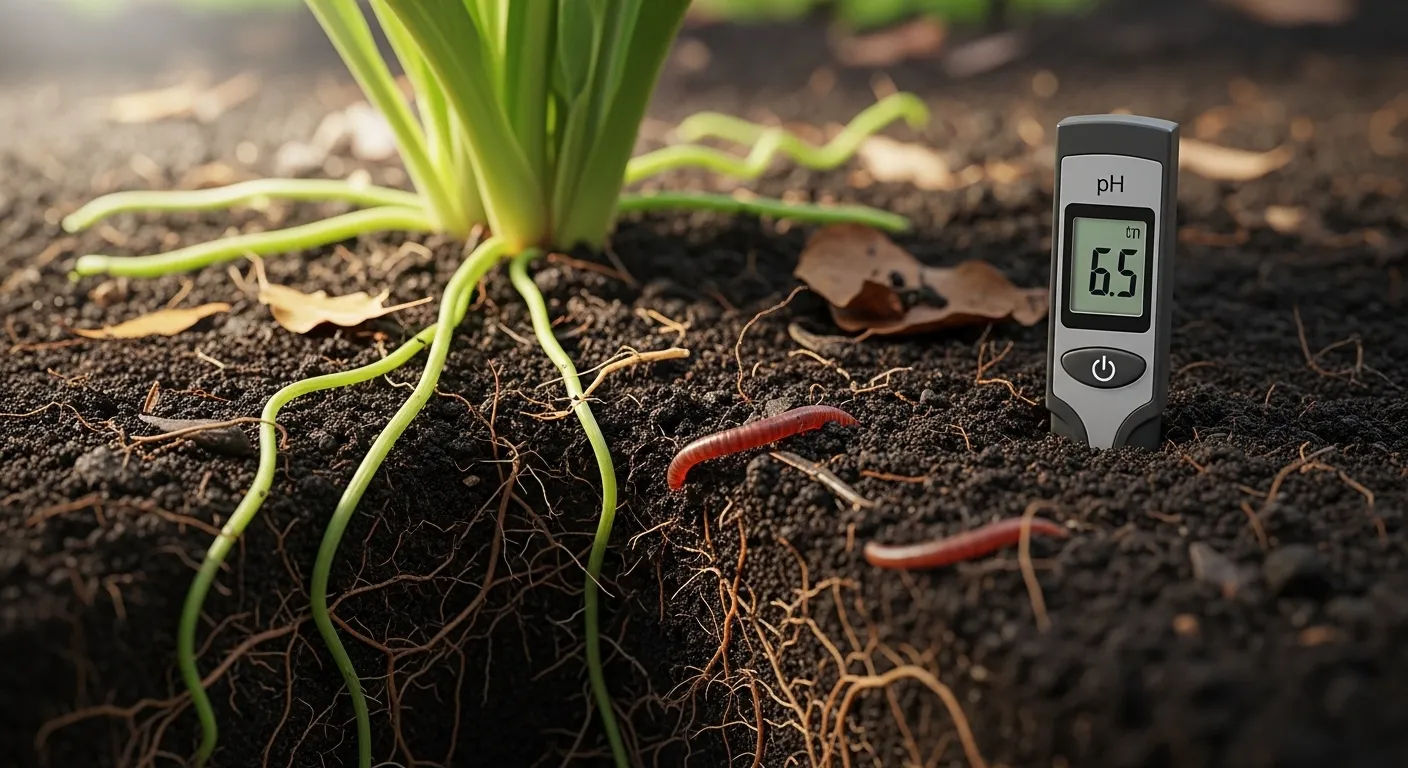
Here's a pro move: change the soil conditions so nematodes don't want to stick around. Adding organic matter like compost, well-rotted manure, or leaf mold does wonders for treatment for root knot nematode. Healthy soil with lots of organic matter supports beneficial microorganisms that naturally suppress nematode populations. Chitin-rich amendments are particularly effective—things like crushed crab shells, shrimp shells, or even commercial chitin products. When soil microbes break down chitin, they release compounds that are toxic to nematodes. It's like putting up a "No Vacancy" sign in your soil. Biochar is another amendment gaining popularity for nematode management—it improves soil structure while creating habitat for beneficial organisms. For treatment for root knot nematode, think of soil amendments as creating a neighborhood watch program in your garden soil—lots of good guys keeping an eye out for troublemakers.
Can You Apply Nematode Treatments in October? Timing Matters!
Great question! The short answer: it depends on your climate and what type of treatment for root knot nematode you're using. Beneficial nematodes? Generally not ideal in October unless you live somewhere still warm (above 60°F soil temperature). They need warmth to be active and effective. Soil solarization? Forget it—October sun just doesn't pack enough heat punch in most regions. However, October is actually PERFECT for other aspects of treatment for root knot nematode strategy. This is prime time for planting cover crops like marigolds or mustard greens that will suppress nematodes over winter. It's also ideal for adding soil amendments like compost or chitin products that will work slowly over the colder months. And if you're in a mild climate, fall planting of nematode-resistant varieties can give you a head start on next season. The key is understanding that treatment for root knot nematode isn't a one-time event—it's a year-round strategy with different tactics for different seasons. October might not be for active killing, but it's definitely for setting the stage for success.
Putting It All Together: Your Comprehensive Treatment Plan
So you've identified the problem, explored your options, and now you're ready for action. Here's your step-by-step game plan for treatment for root knot nematode that actually works:
- Immediate action: Remove and destroy heavily infested plants (don't compost them!)
- Soil testing: Send a sample to your local extension office to confirm nematode presence and type
- Short-term relief: Apply beneficial nematodes if soil is warm enough, or neem-based products
- Medium-term strategy: Plant marigold cover crops and amend soil with compost and chitin
- Long-term prevention: Rotate crops, choose resistant varieties, and maintain healthy soil
Remember, there's no silver bullet for treatment for root knot nematode—it's about combining methods for maximum impact. And if you're looking for more gardening wisdom to keep your plants happy and healthy, start with the Potaday homepage for all things growing and green. Then dive into our comprehensive Growing section for expert tips on everything from soil health to pest management. And if you're battling other plant diseases, don't miss our guide on Tomato Plant Fusarium Wilt Prevention Tips. Because a healthy garden starts with knowledge, and we've got plenty to share.
Frequently Asked Questions
What chemical kills root-knot nematodes?
While several chemical nematicides exist for treatment for root knot nematode, most effective options like abamectin and fluopyram are restricted-use products not available to home gardeners. Many traditional chemicals have been banned due to environmental and health concerns. For home gardeners, organic options like neem-based products offer some chemical control while being safer for the environment and beneficial organisms in your soil.
Can I apply nematodes in October?
Applying beneficial nematodes for treatment for root knot nematode in October depends on your climate. Beneficial nematodes require soil temperatures above 60°F to be active and effective. In warmer southern regions, October might still work, but in most temperate areas, soil temperatures drop too low by then. However, October is excellent for other nematode management strategies like planting cover crops, adding soil amendments, and planning crop rotation for the following season.
What does root-knot nematode damage look like?
Root-knot nematode damage is characterized by distinctive swollen galls or knots on plant roots that can range from tiny bumps to large swellings. Above ground, affected plants show stunted growth, yellowing leaves (especially older foliage), wilting despite adequate moisture, and reduced yields. The roots may appear stubby with abnormal branching patterns. This visible root damage is the key indicator when diagnosing treatment for root knot nematode needs in your garden.
How to tell if you have root-knot nematodes?
To identify root-knot nematodes, carefully dig up struggling plants and examine the roots for characteristic galls or knots. Above-ground symptoms include yellowing leaves, stunted growth, wilting in moist soil, and poor yields. For definitive diagnosis of treatment for root knot nematode needs, send a soil and root sample to your local extension office for professional analysis. Multiple plants in the same area showing similar symptoms while nearby plants thrive is another strong indicator of nematode presence.
References
- https://www.extension.org/pesticide-applicator-training/nematode-management
- https://www.apsnet.org/edcenter/disandpath/nematode/rootknot/Pages/default.aspx
- https://www.gardeningknowhow.com/plant-problems/pests/nematodes/root-knot-nematodes.htm
- https://www.planetnatural.com/pest-problem-solver/nematodes/root-knot-nematodes