When to Hill Potatoes Growth Stages
- 1.
The Perfect Height: How Tall Should Potatoes Be Before Hilling?
- 2.
Consequences of Skipping the Hill: What Happens If You Don't Hill Your Potatoes?
- 3.
Multiple Mounding Sessions: When to Mound Up Potatoes Throughout the Season
- 4.
Leaf Coverage Dilemma: Do You Cover Leaves When Mounding Potatoes?
- 5.
Soil Selection and Preparation: Choosing the Right Material for Hilling
- 6.
Regional Variations: How Southern Gardeners Approach Potato Hilling
- 7.
Tools of the Trade: Equipment Needed for Effective Potato Hilling
- 8.
Common Mistakes to Avoid: Pitfalls in the Potato Hilling Process
- 9.
Alternative Methods: Straw Mulching vs. Traditional Soil Hilling
- 10.
Harvest Timing and Final Tips for Potato Growing Success
Table of Contents
when to hill potatoes
Ever looked at your potato plants and thought, "Wait, am I supposed to be piling dirt on these things like I'm building a tiny mountain range for spuds?" Yeah, we've been there too—standing in the garden with a shovel in hand, wondering if we're helping or accidentally burying our future french fries alive. The whole when to hill potatoes thing can feel like one of those gardening mysteries that nobody really explains properly until you've already messed it up three times. But don't worry, we're here to break it down so you don't end up with a bunch of sad, sunburned tubers wondering where their protective dirt blanket went.
The Perfect Height: How Tall Should Potatoes Be Before Hilling?
Alright, let's get this straight—when to hill potatoes isn't about some random calendar date or waiting for the stars to align. Nah, it's all about watching your plants like a hawk (or at least like someone who really wants fries later). The golden rule? Hill your potatoes when the green shoots poke up about 6 to 8 inches above the soil. That's roughly the height of a standard smartphone, in case you're the type who measures everything against your iPhone. At this stage, your potato plants are basically saying, "Hey, we're ready for our first dirt spa treatment!" If you wait too long, you risk exposing the developing tubers to sunlight, which turns them green and toxic—definitely not the vibe you're going for. And if you hill too early? Well, you might accidentally smother those tender shoots before they've even had a chance to stretch their legs. Timing is everything, folks.
Consequences of Skipping the Hill: What Happens If You Don't Hill Your Potatoes?
So what if you just... don't? What if you decide that hilling is overrated and your potatoes can handle themselves? Well, buckle up, buttercup, because the consequences ain't pretty. When you skip the when to hill potatoes step, you're basically rolling out a red carpet for disaster. First off, those precious tubers will start peeking out of the ground like nosy neighbors, and sunlight exposure makes them produce solanine—a nasty compound that turns them green and bitter. We're talking "one bite and you're calling poison control" levels of bad. Plus, without that extra soil protection, your potatoes become sitting ducks for pests like Colorado potato beetles and wireworms. And let's not forget the yield—unhilled potatoes typically produce way fewer tubers because the plant puts all its energy into the parts above ground instead of developing those beautiful spuds underground. It's like expecting to get a six-pack without ever doing crunches. Ain't happening.
Multiple Mounding Sessions: When to Mound Up Potatoes Throughout the Season
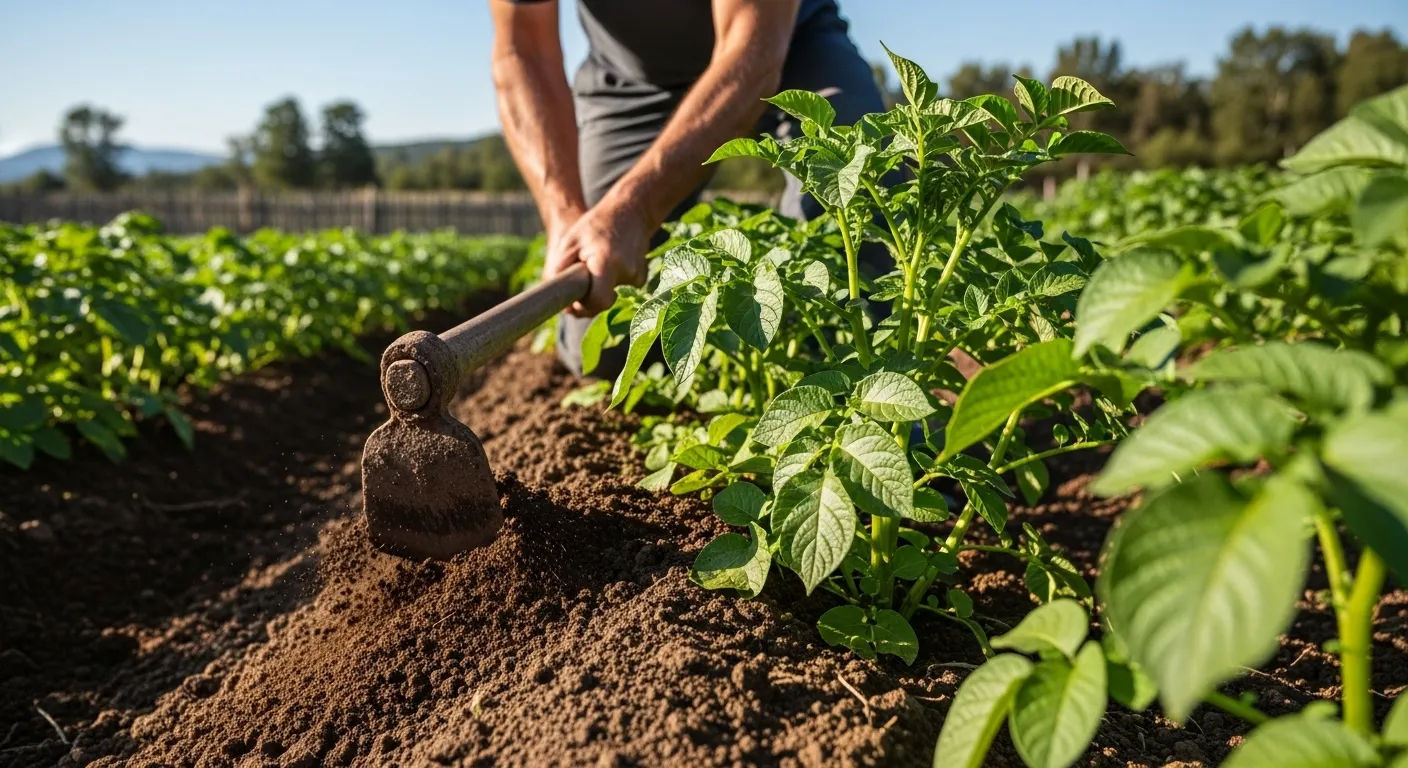
Here's the thing most gardening guides don't tell you: when to hill potatoes isn't a one-and-done situation. Oh no, this is more like a season-long relationship where you keep coming back for more. After that first hilling at 6-8 inches, you'll need to repeat the process every 2-3 weeks as your plants keep growing. Think of it like giving your potatoes a series of increasingly elaborate dirt mullets—business in the front, party in the back, and progressively taller as the season goes on. Most potato varieties will need 2-3 hilling sessions total before they reach their full height of about 18-24 inches. The key is to watch those plants like they're your favorite Netflix series—when they grow another 4-6 inches above the last soil mound, it's time to pile on more dirt. This repeated hilling creates that long, dark tunnel where your potatoes can develop in peace, away from prying eyes and harmful UV rays.
Leaf Coverage Dilemma: Do You Cover Leaves When Mounding Potatoes?
This is the million-dollar question that keeps gardeners up at night: when to hill potatoes, do you bury the leaves or leave them exposed? The short answer? Don't be a leaf-burying maniac. When you're mounding soil around your potato plants, you want to leave at least 2-3 inches of the top growth sticking out like proud little green flags. Those leaves are your plant's solar panels—they need sunlight to photosynthesize and feed those developing tubers underground. If you cover too much foliage, you're basically putting your plants on a starvation diet. However, here's the twist: it's totally fine (and actually recommended) to bury the lower leaves that are already close to the soil. These older leaves aren't doing much photosynthesizing anyway, and burying them encourages the plant to develop more roots along the stem, which means more places for potatoes to form. Just don't go overboard—your potato plant shouldn't look like it's slowly being swallowed by the earth, unless you're going for that post-apocalyptic garden aesthetic.
Soil Selection and Preparation: Choosing the Right Material for Hilling
Not all dirt is created equal, especially when to hill potatoes. You can't just grab whatever soil is lying around and call it a day—your potatoes deserve better than that. The ideal hilling material should be loose, well-draining, and free of weeds or disease. Many seasoned gardeners swear by using a mix of your existing garden soil plus some compost or well-rotted manure for that extra nutrient boost. If your native soil is heavy clay that turns into concrete when it dries, consider mixing in some sand or perlite to improve drainage. And whatever you do, don't use fresh manure—it's too "hot" and can burn your plants. Pro tip: if you're short on soil, straw or hay can work as an alternative hilling material, though you'll need to keep it moist and watch out for rodents making themselves at home. Remember, the goal is to create a cozy, dark environment where your potatoes can develop without stress—kind of like a luxury spa but for root vegetables.
Regional Variations: How Southern Gardeners Approach Potato Hilling
Down in the South, where the soil is red and the summers are hotter than a jalapeño in July, gardeners have their own take on when to hill potatoes. Many Southern growers swear by hilling earlier and more frequently because the intense sun can scorch exposed tubers faster than you can say "y'all." They also tend to use more organic matter in their hilling mix—things like pine straw or chopped leaves—to help retain moisture in that notoriously thirsty Southern soil. And get this: some old-timers in Alabama and Georgia still use the "Irish method" of hilling with a hoe while standing back-to-back with a partner, working their way down the row like some kind of agricultural dance. Meanwhile, up in New England, gardeners might wait a bit longer between hilling sessions because their cooler climate means slower plant growth. The beauty of gardening is that while the basic principles stay the same, every region puts its own spin on things—kind of like how barbecue sauce varies from state to state, but everyone agrees it makes meat taste amazing.
Tools of the Trade: Equipment Needed for Effective Potato Hilling
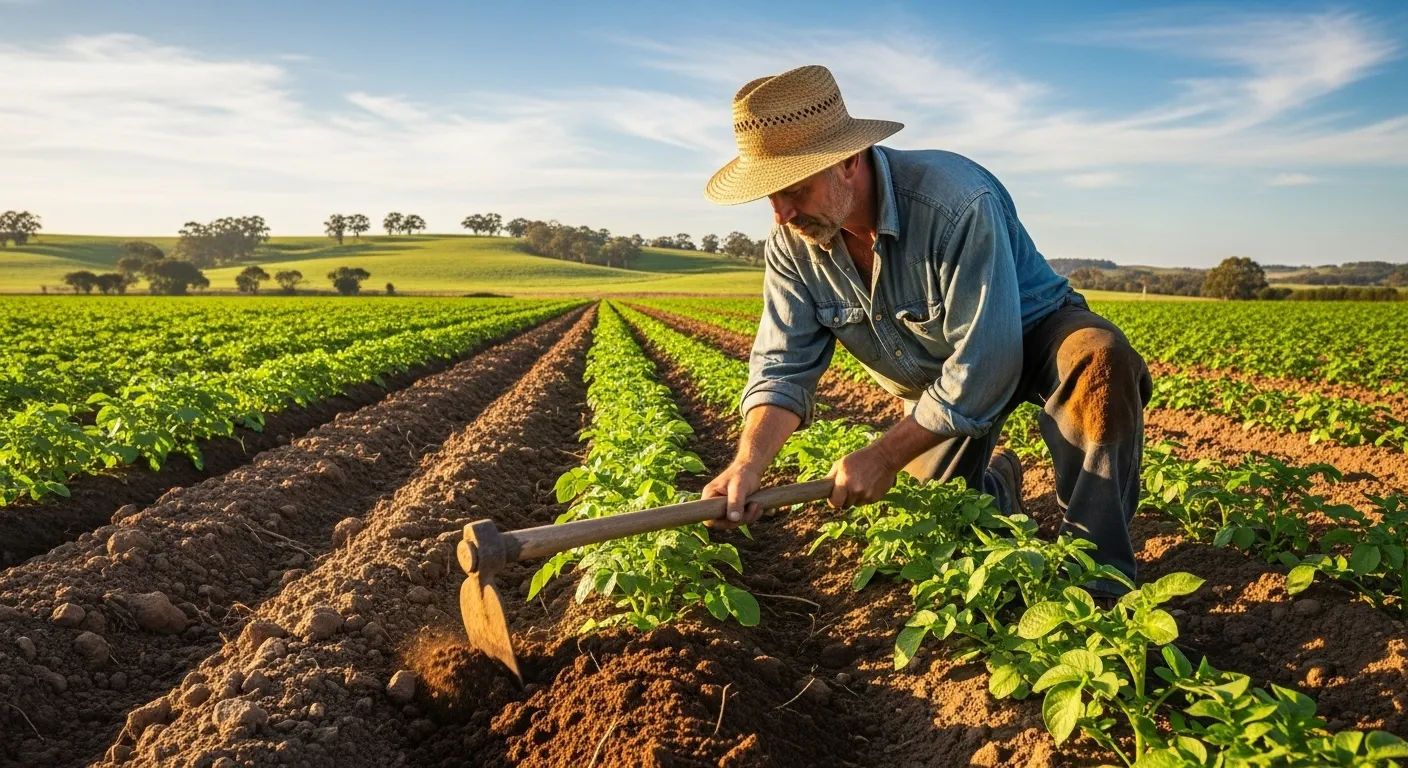
You don't need a fancy arsenal of gardening tools to master when to hill potatoes, but having the right equipment definitely makes the job easier (and less likely to result in a sore back). At minimum, you'll want a sturdy garden hoe or cultivator for moving soil, a rake for smoothing things out, and maybe a wheelbarrow if you're bringing in additional soil or compost. Some gardeners prefer using a specialized potato hiller attachment for their tillers, which can save serious time if you're working with a large plot. But honestly? Your hands work just fine for small gardens—there's something satisfying about feeling the soil and knowing exactly how much you're adding around each plant. Just don't forget gloves unless you enjoy the rustic look of dirt-caked fingernails for the next week. And whatever you do, avoid using power tools too close to your plants—those spinning blades don't discriminate between weeds and potato stems, and one wrong move could send your entire harvest to an early grave.
Common Mistakes to Avoid: Pitfalls in the Potato Hilling Process
Let's be real—when to hill potatoes comes with its fair share of rookie mistakes, and we've made most of them so you don't have to. First big no-no: hilling when the soil is soaking wet. This creates compacted, muddy clumps that suffocate roots and invite disease. Wait until the soil is moist but not soggy—kind of like a wrung-out sponge. Second mistake: hilling too aggressively and damaging the plant's root system. Those underground stems are delicate, so go easy when you're piling on the dirt. Third blunder: using soil that's full of weed seeds or hasn't been properly amended. You're basically planting future problems right next to your potatoes. And finally, the cardinal sin: forgetting to water after hilling. All that newly added soil needs moisture to settle properly and make contact with the plant's roots. Think of it like tucking your potatoes into bed—they need that final goodnight kiss of water before they can drift off to tuber-producing dreamland.
Alternative Methods: Straw Mulching vs. Traditional Soil Hilling
Not everyone agrees on the traditional approach to when to hill potatoes, and that's okay—gardening is as much art as it is science. Some growers swear by the "straw method" popularized by gardener Ruth Stout, where you plant your seed potatoes on the surface and cover them with a thick layer of straw instead of soil. This method has some serious perks: it eliminates the need for repeated hilling, suppresses weeds like a boss, and makes harvest time ridiculously easy (just pull back the straw and there they are!). However, it's not without drawbacks—straw can attract rodents looking for a cozy home, and it doesn't provide quite the same level of protection against extreme temperature fluctuations. Plus, you'll need a lot of straw to maintain that 6-8 inch layer throughout the season. Traditional soil hilling, on the other hand, gives you more control over soil composition and temperature regulation, but requires more physical labor and careful timing. At the end of the day, it comes down to your personal preferences, available materials, and how much you enjoy getting dirty. Both methods can produce fantastic potatoes if done right.
Harvest Timing and Final Tips for Potato Growing Success
Once you've mastered when to hill potatoes and your plants are thriving under their protective soil mounds, the only thing left to wonder is when to dig up that glorious harvest. The general rule is to wait until the foliage starts yellowing and dying back naturally—usually 2-3 weeks after flowering for early varieties, or when the vines completely collapse for maincrop potatoes. But here's a pro tip: you can actually harvest "new potatoes" earlier by carefully digging around the edges of your hills about 2-3 weeks after flowering. These baby spuds won't store well, but they're absolutely divine roasted with herbs and butter. For long-term storage, wait until the vines are completely dead and dry, then let the tubers cure in the ground for another week or two to toughen up their skins. And remember, the work doesn't stop after harvest—proper storage in a cool, dark, well-ventilated place is crucial for keeping your potatoes fresh through the winter. For more gardening wisdom, visit Potaday, explore our Growing section, or check out our detailed guide on Mounding Potato Plants Healthy Harvest.
Frequently Asked Questions
How tall should potatoes be before hilling?
Potatoes should be hilled when the green shoots reach approximately 6 to 8 inches in height above the soil surface. This typically occurs about 3-4 weeks after planting, depending on your climate and potato variety. Hilling at this height ensures that the developing tubers remain protected from sunlight while allowing enough foliage to remain exposed for photosynthesis. Remember that when to hill potatoes depends more on plant height than calendar dates, so watch your plants closely rather than relying on a fixed schedule.
What happens if you don't hill your potatoes?
If you skip the hilling process, several problems can occur with your potato crop. First, tubers exposed to sunlight will develop green patches containing solanine, a toxic compound that makes them bitter and potentially dangerous to eat. Second, unhilled potatoes are more vulnerable to pests like Colorado potato beetles and wireworms. Third, you'll likely get a significantly reduced yield because the plant focuses energy on above-ground growth rather than tuber development. Understanding when to hill potatoes is crucial for maximizing both quality and quantity of your harvest.
When to mound up potatoes?
You should mound up potatoes multiple times throughout the growing season, not just once. The first mounding occurs when plants reach 6-8 inches tall, and subsequent moundings should happen every 2-3 weeks as the plants grow another 4-6 inches above the previous soil level. Most potato varieties will require 2-3 total hilling sessions before reaching their mature height of 18-24 inches. Proper timing of when to hill potatoes ensures continuous protection for developing tubers and encourages the plant to produce more potatoes along the buried stem sections.
Do you cover leaves when mounding potatoes?
When mounding potatoes, you should leave at least 2-3 inches of the top foliage exposed to sunlight for photosynthesis, but it's perfectly fine (and actually beneficial) to bury the lower leaves that are close to the soil. These older leaves aren't contributing much to photosynthesis anyway, and burying them encourages the plant to develop additional roots along the stem, which creates more sites for tuber formation. The key to successful when to hill potatoes is finding the right balance—protect the developing tubers without suffocating the plant's ability to produce energy through its leaves.
References
- https://www.extension.umn.edu/garden/yard-garden/vegetables/potatoes/
- https://www.rhs.org.uk/vegetables/potatoes/grow
- https://www.almanac.com/plant/potatoes
- https://extension.uga.edu/publications/detail.html?number=B1263